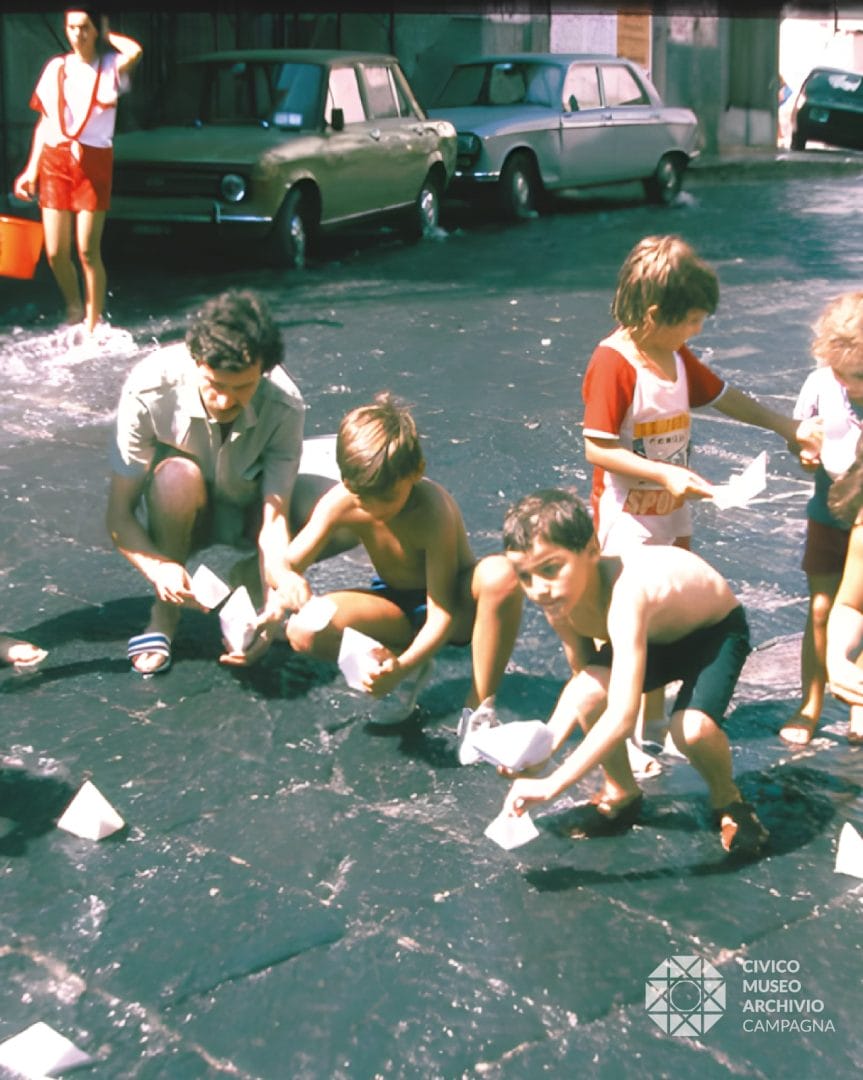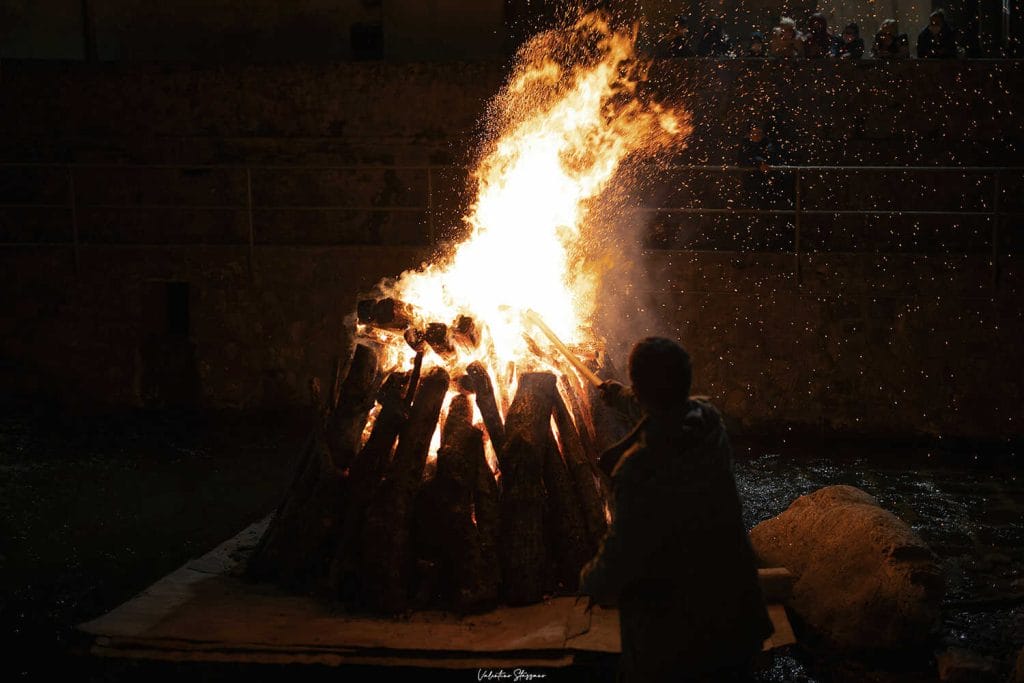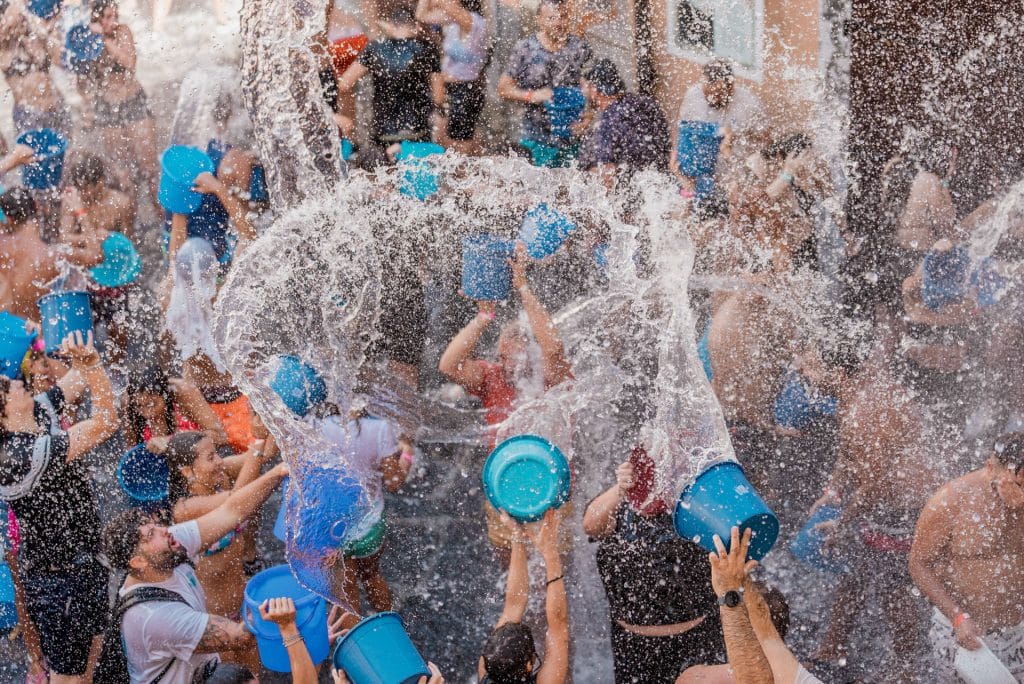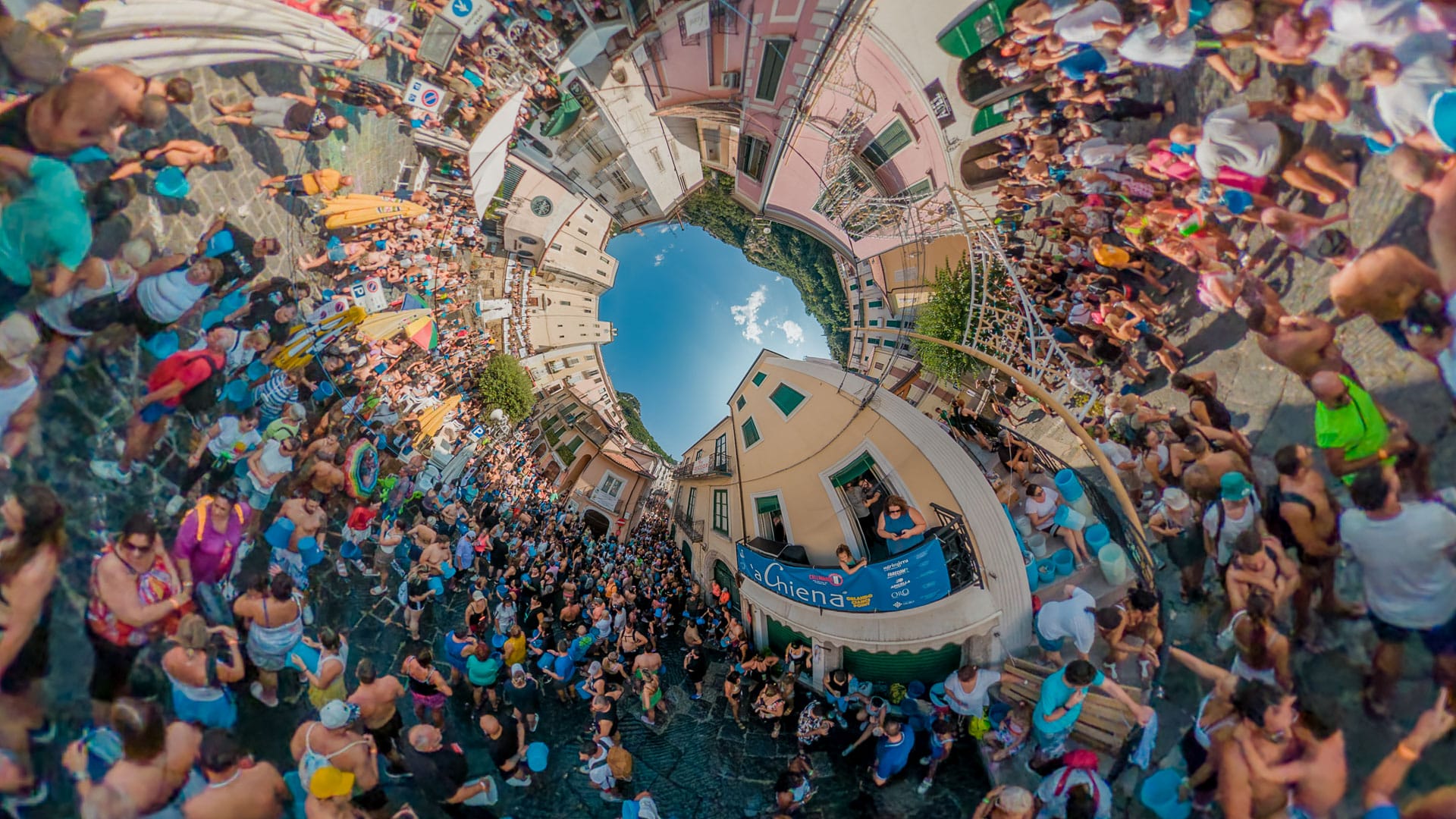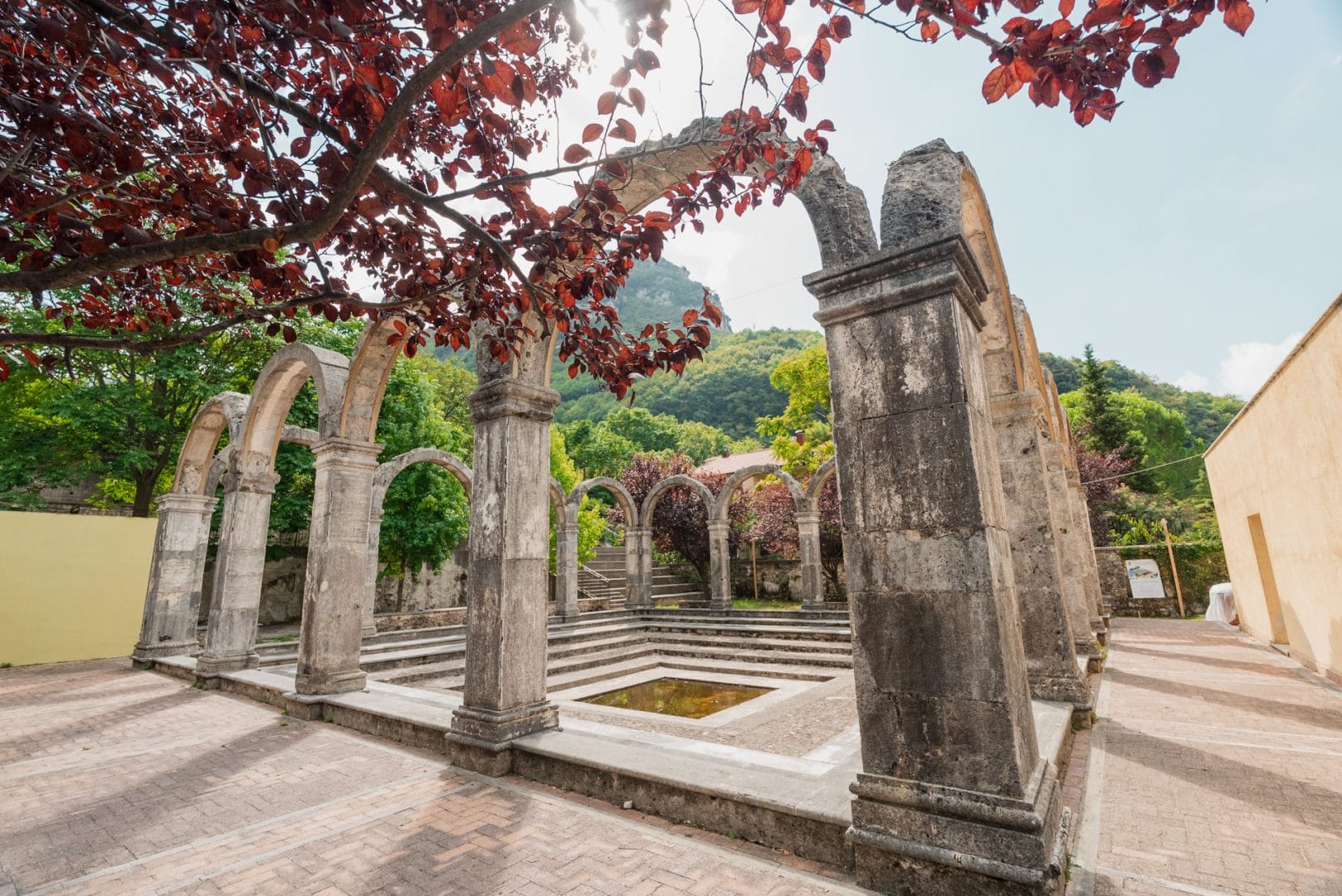


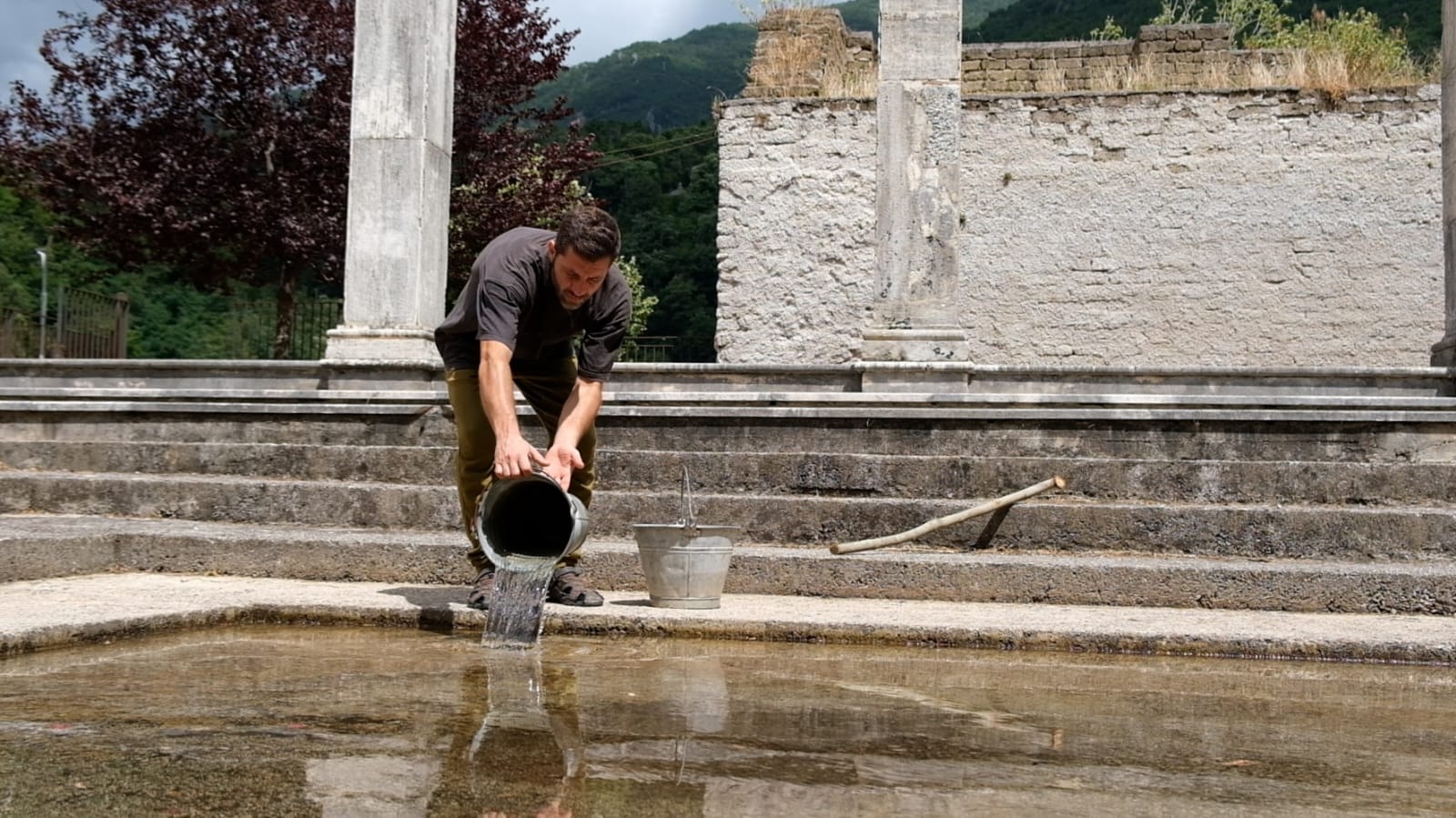
It is in the damp and charming setting of the town of Campagna, enveloped by the Picentini mountains, that the idea of the Municipal Museum Archive Countryside, with its active radar in the areas of ethno-anthropology and contemporary art, particularly thanks to the originality and resourcefulness of a few private citizens who managed to give an initial idea a civic conformation by receiving the institutional endorsement of the municipal administration between 1982 and 1983. These were still the years of post-earthquake reconstruction in 1980, and the aesthetics of the rubble provided the backdrop for an enterprise that was immediately hooked on a specific procedure that exploited a system for diverting the course of the river to, since ancient times, purify the streets and stables of the historic centre: ‘A Chiena. The ingenious intuition of this group of citizens, including a number of artists, photography enthusiasts, musicians and poets (e.g. Angelo Riviello, Antonio Corsaro, Liberata Cerrone, Mimmo Fezza, Mario Velella, Vito and Bruno D'Agostino, Vito Maggio) was to transform this purifying rite into a contemporary art exhibition, inviting artists from all over Italy to experience the peaceful and controlled flooding of the river and transform its energies into works of art.
Sources: Gianpaolo Cacciottolo, Director Civic Museum Archive Countryside
A fundamental and central fact of this story concerns the presence and role of a Campagnese, Jasmine D'Ambrosio, a great figure working at the crossroads of visual arts, graphics and design, who not only contributed concretely to the establishment of the museum, but also represented a decisive bridge to connect a geographically marginal experience to a slightly more central area, the city of Salerno, which enjoyed the authoritative and brilliant presence of historians and critics of art and literature such as Filiberto Menna, Angelo Trimarco, Rino Mele and many others.
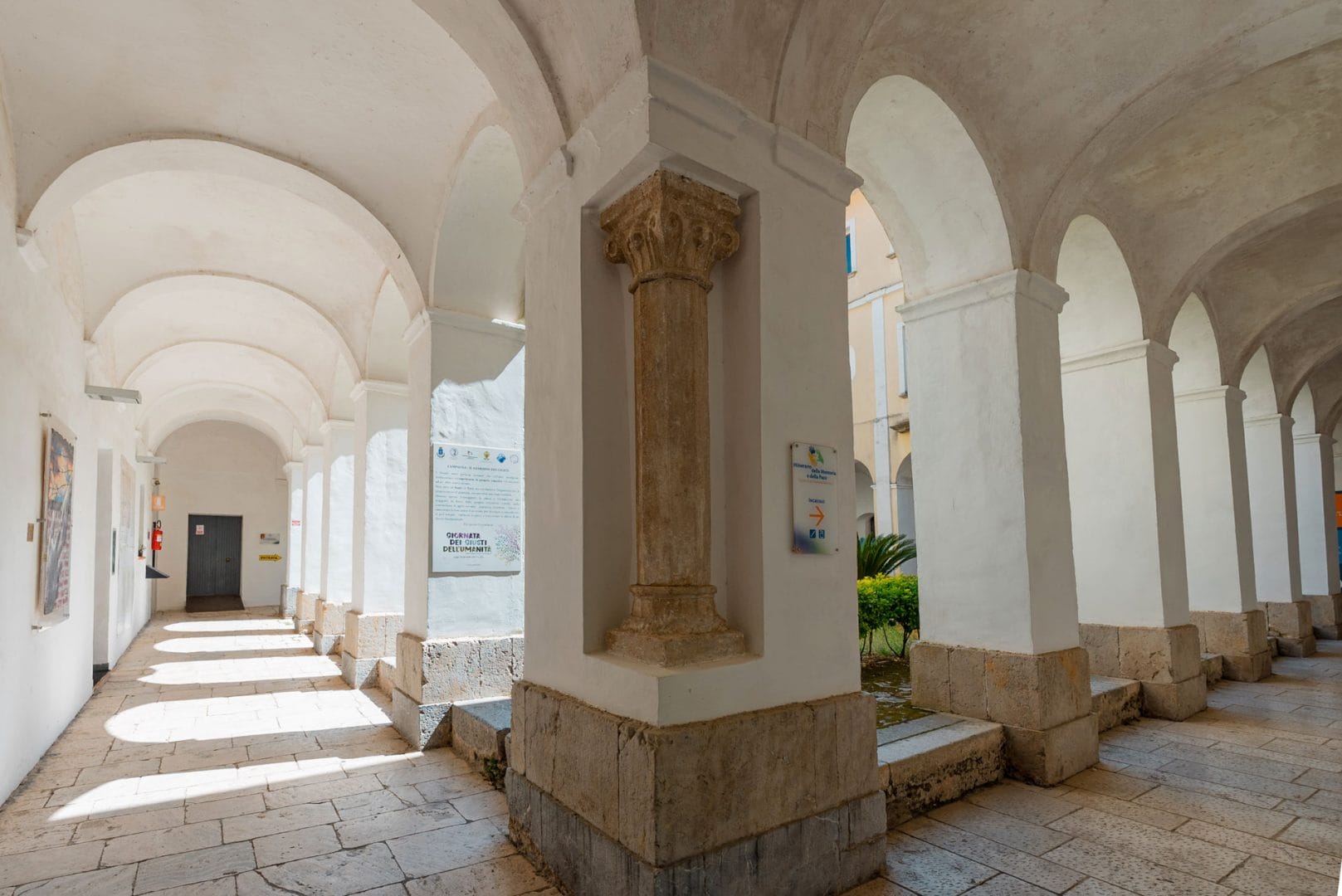
The 1985 is a date to be marked in red in a first reconstruction, because it is the year in which the first “’A Chiena in Campagna”, where “‘A Chiena”’ is a dialectal form easily translatable as the flood, of that river Tenza which thus becomes the original source of art and therefore of life. Passed under management to the’Giordano Bruno Association starting in the late 1980s, the museum saw its collection grow thanks to the contemporary art exhibitions that were held until the mid-1990s. Although the museum continued its activities, in line with the association's vision, it never found an exhibition dignity and its collection remained crammed into the rooms of the former Convent of St. Bartholomew, the museum's legal headquarters and the association's headquarters.
Sources: Gianpaolo Cacciottolo, Director Civic Museum Archive Countryside
La collection of art contemporary consists of a seventy works by artists:
Armando Aiello, Salvatore Anelli, Rita Atzori, Pino Barilla, Carlo Bernardini, Ilaria Bona, Antonietta Bordonaro (Gea), Josè Bravo, Lucia Buono, Arturo Busillo, Matteo Calenda, Giovanni Canton, A. Casanova, Rita Castagna, Lorenzo Cleffi, Antonio Corsaro, Vera De Veroli, Silvio Di Giovanni, Godwin Ekhard, Paolo Federico, Rosa Greco, Elisabetta Gut, Angela Hart O'Brien, Kamio Kazuyoshi, C. Langemi, Giovannastella Lanocita, Antonio Luongo, Vito Maggio, Alfonso Mangone, Patrizia Marchi, Liberato Mastrangelo, Mariano Mastrolonardo, Alessandro Mautone, Olga Mirra, Mirella Monaco, Emilio Morandi, Mario Nigro, Gutte Norrild, N. Pascarella, Sergio Pavone, Bianca Perrucci, Pasquale Perruso, Gloria Persiani, Gabriella Petralulo, Antonio Porcelli, Pietro Ranalli, Angelo Riviello, Gisela Robert, Aitor Romano, Marina Rossi Parlati, Alba Savoi, Gino Scannapieco (with Raffaella Formenti), Beppe Schiavetta, Vito Sersale, Alessandro Sessa, Grazia Tagliante, Maurizio Ulino, Maria Wojcik, Rosanna Veronesi, Donato Vitiello.
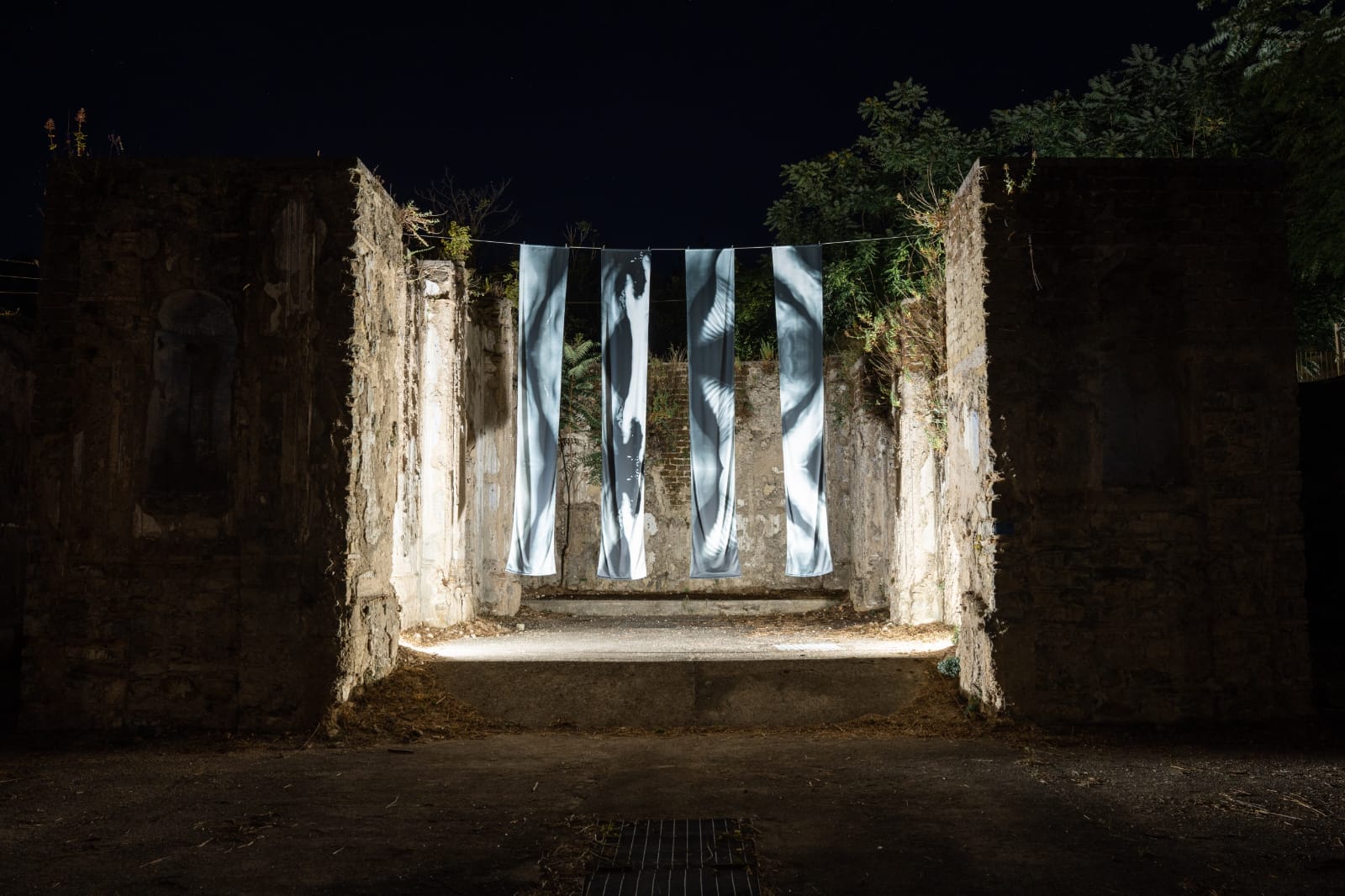
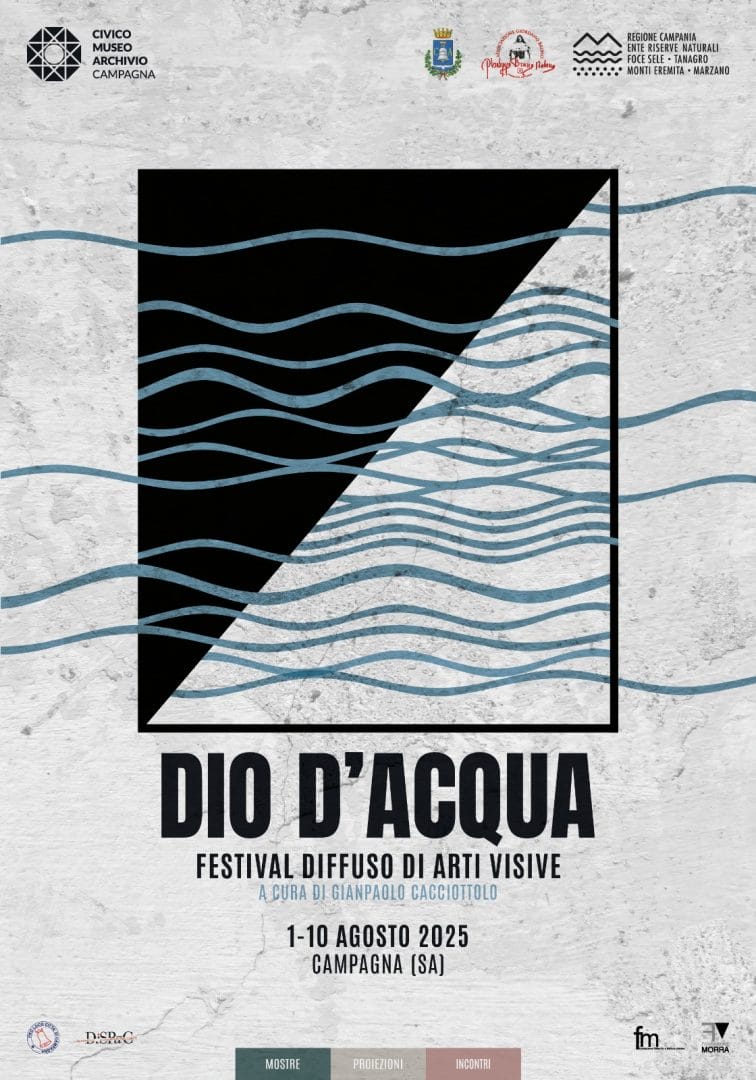
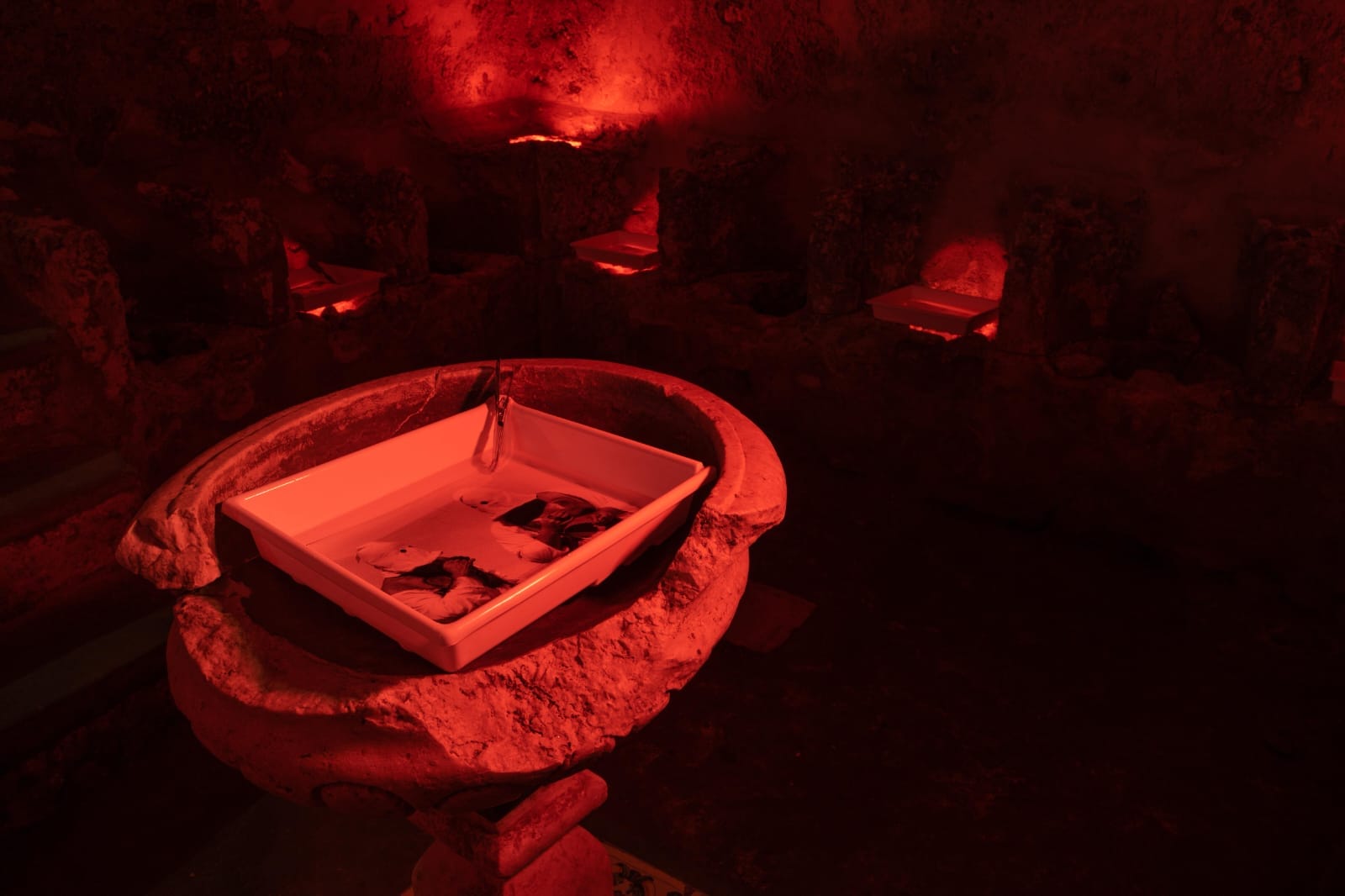
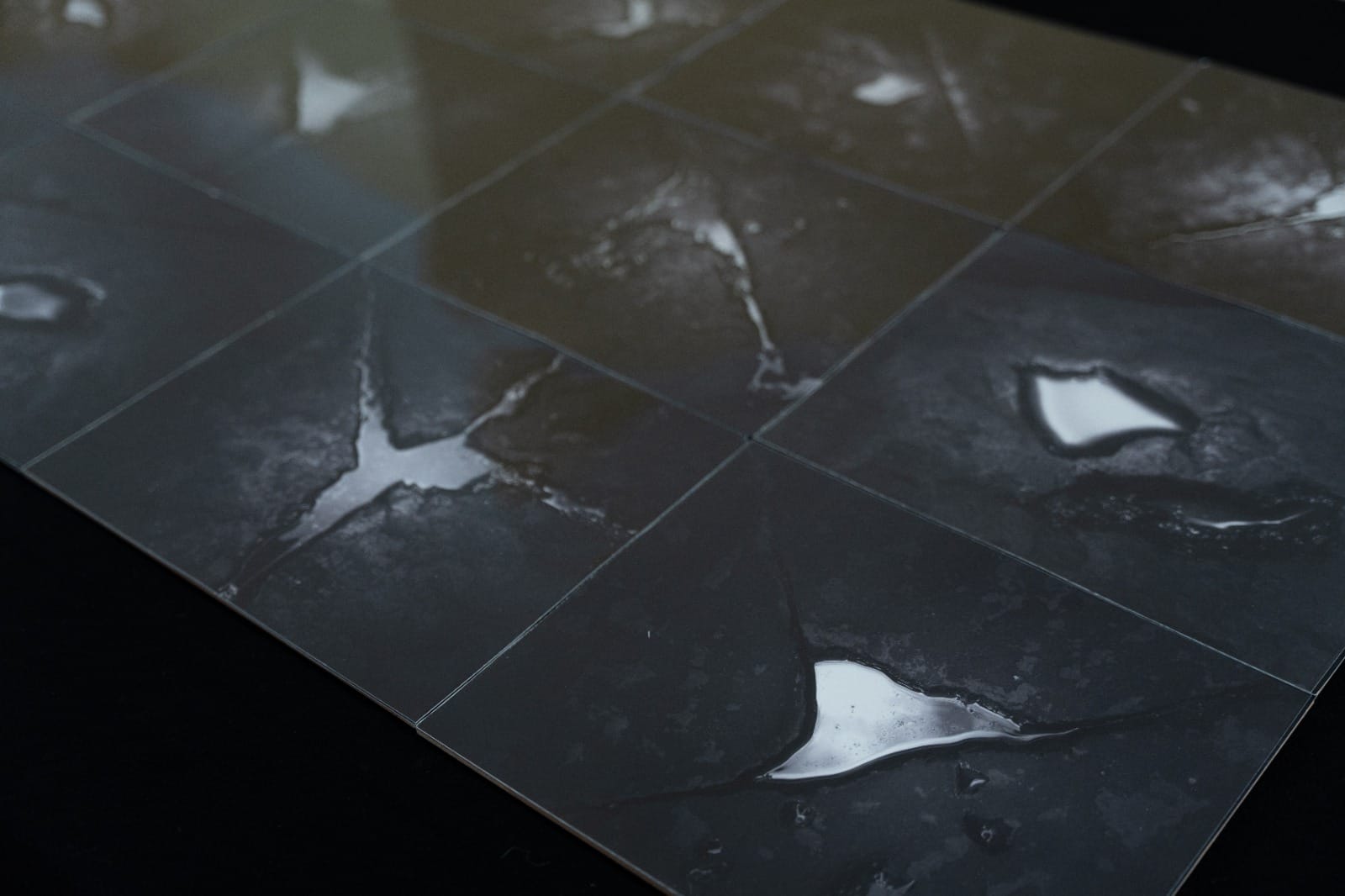
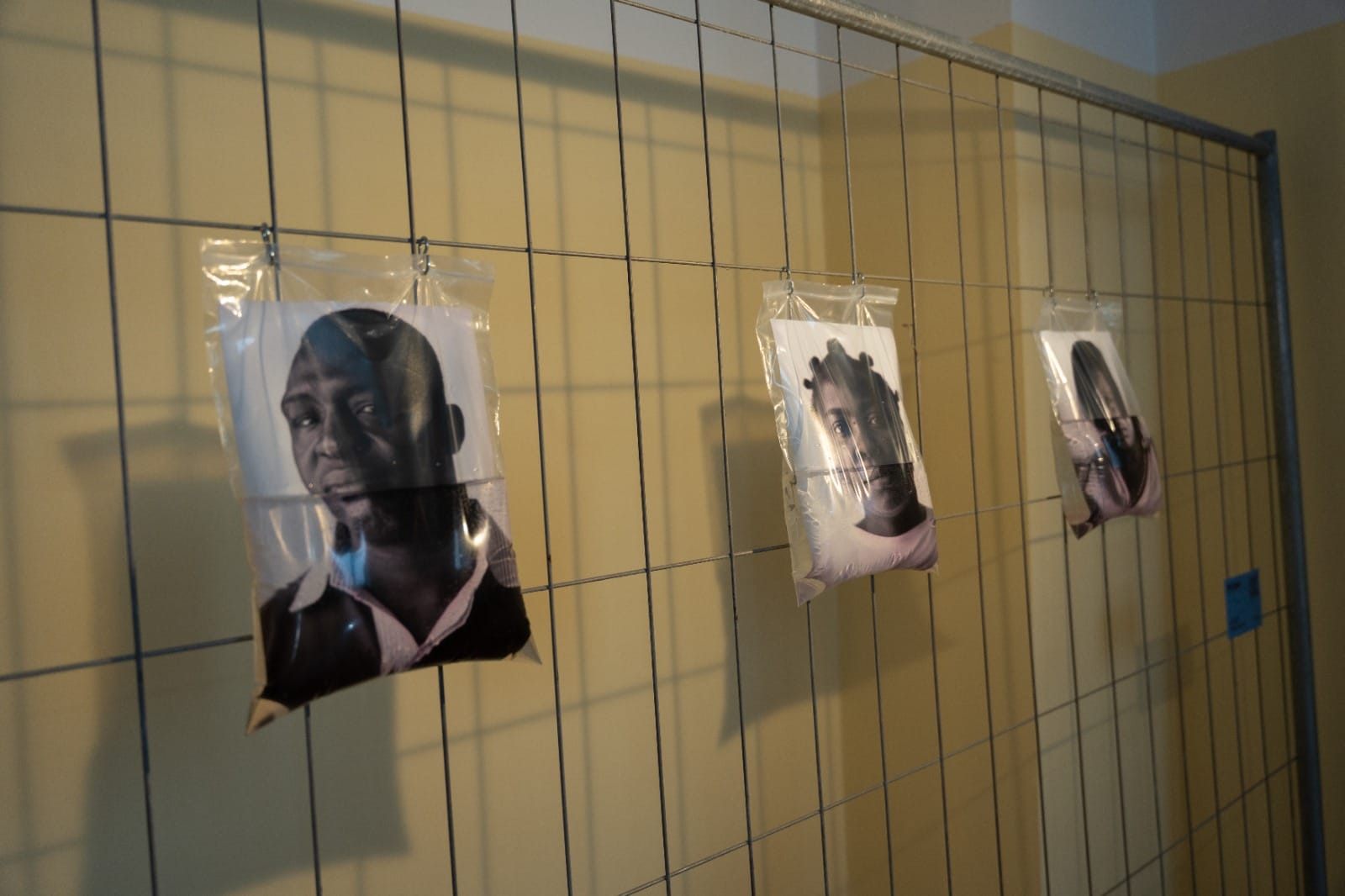
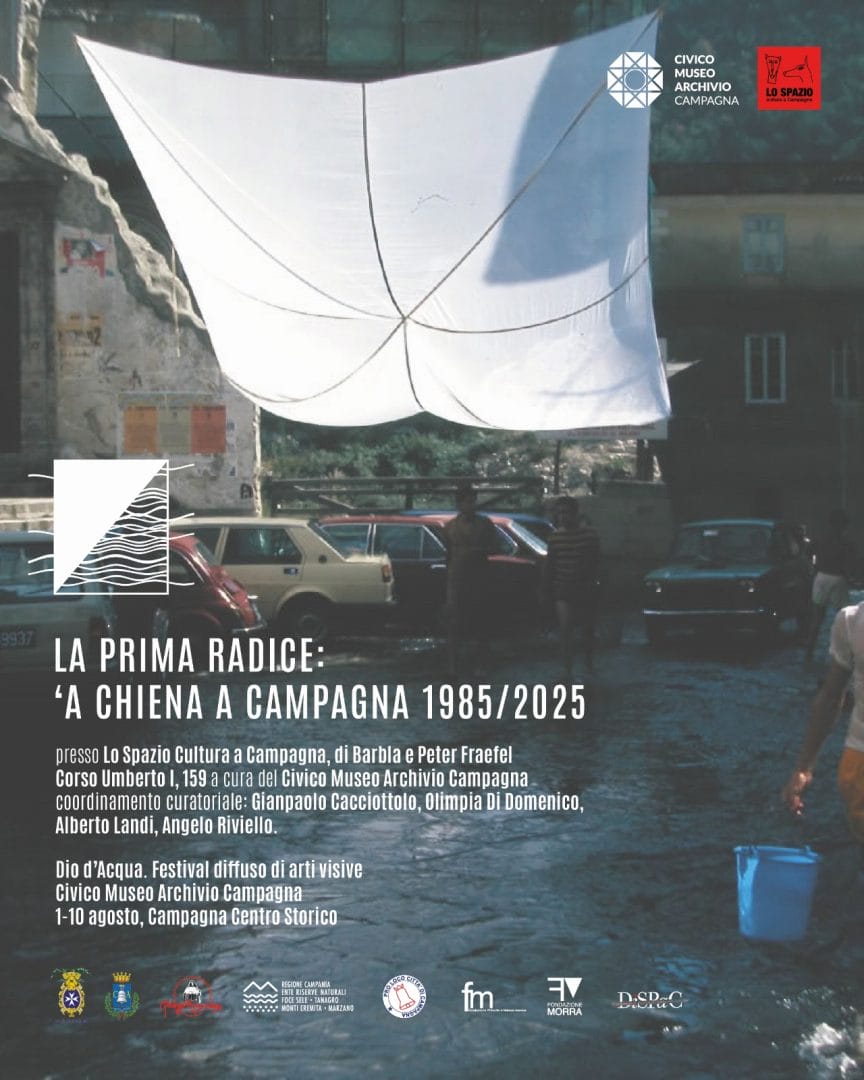
Under the new direction, since February 2025, the Civic Museum has initiated a programme of activities culminating in August of the same year in “God of Water. Widespread visual arts festival”which, from 1 to 10 August, proposed eleven exhibitions in six different locations in the historic centre, through which the theme of water found multiple declinations; in the same setting, a part of the collection that had never left the damp and closed rooms of the St. Bartholomew Convent was exhibited, in particular the works from 1985 that were the protagonists of the first contemporary art exhibition in the Chiena. In addition, it revitalised the ruins of the former Convent of the Immaculate Conception with open-air film screenings, performances and concerts: today it is a base of operations and an exhibition venue in progress.
Sources: Gianpaolo Cacciottolo, Director Civic Museum Archive Countryside