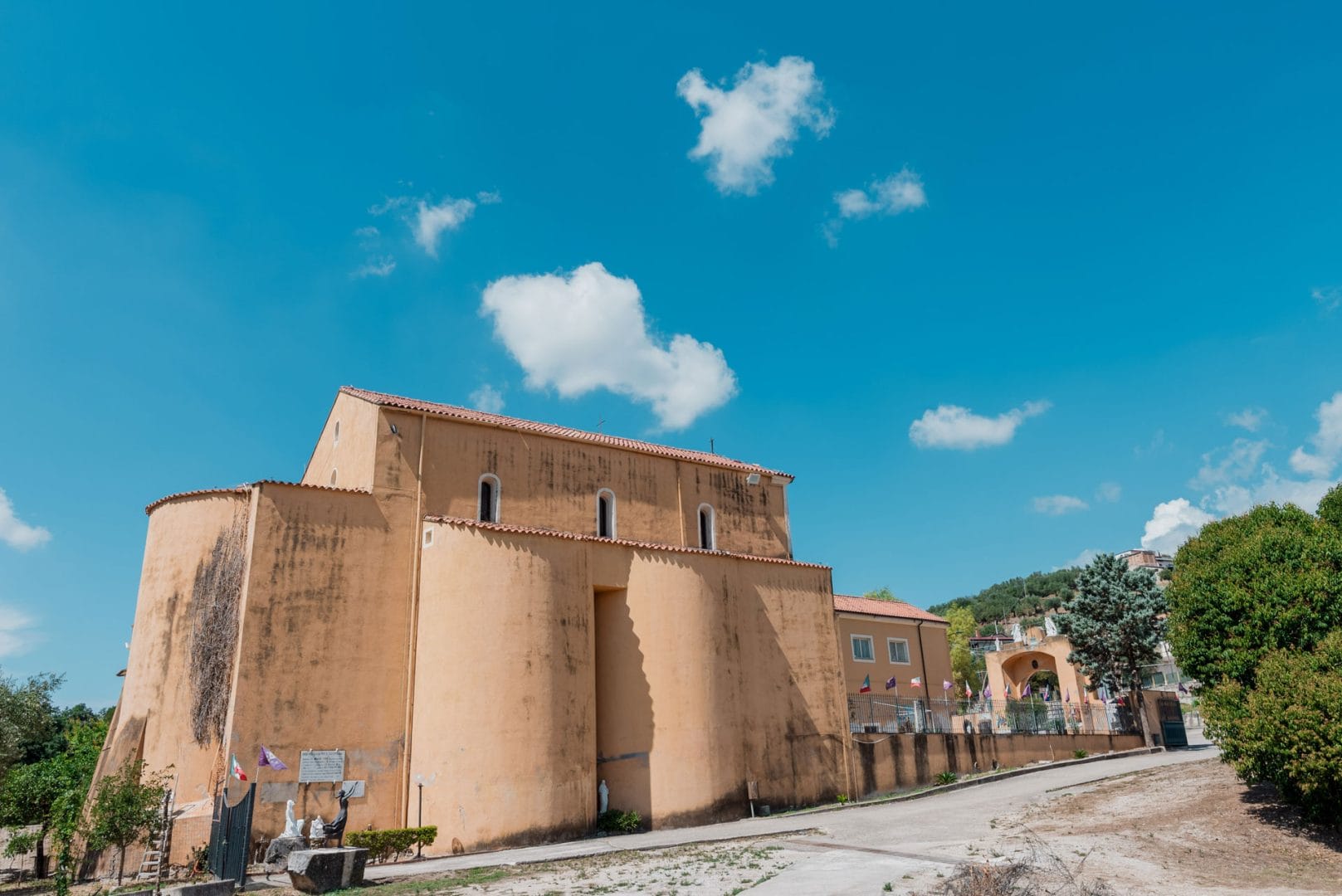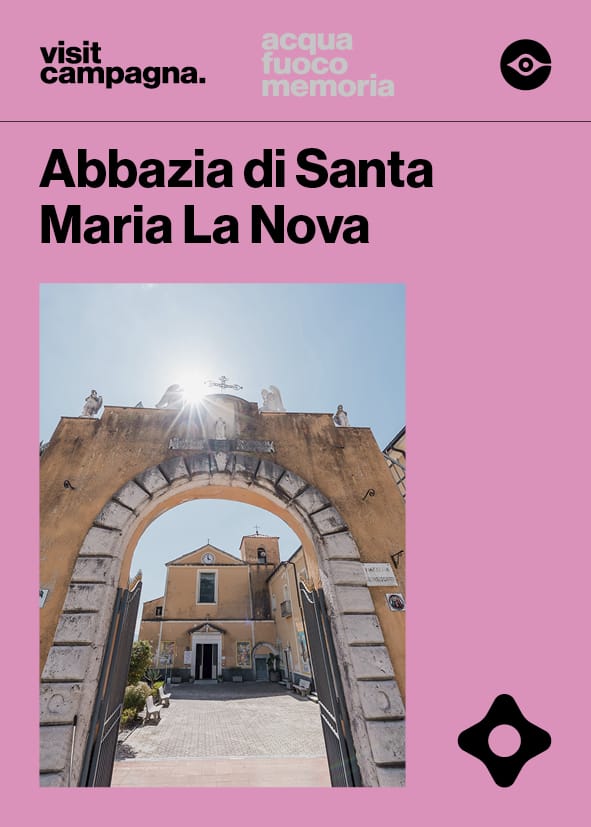


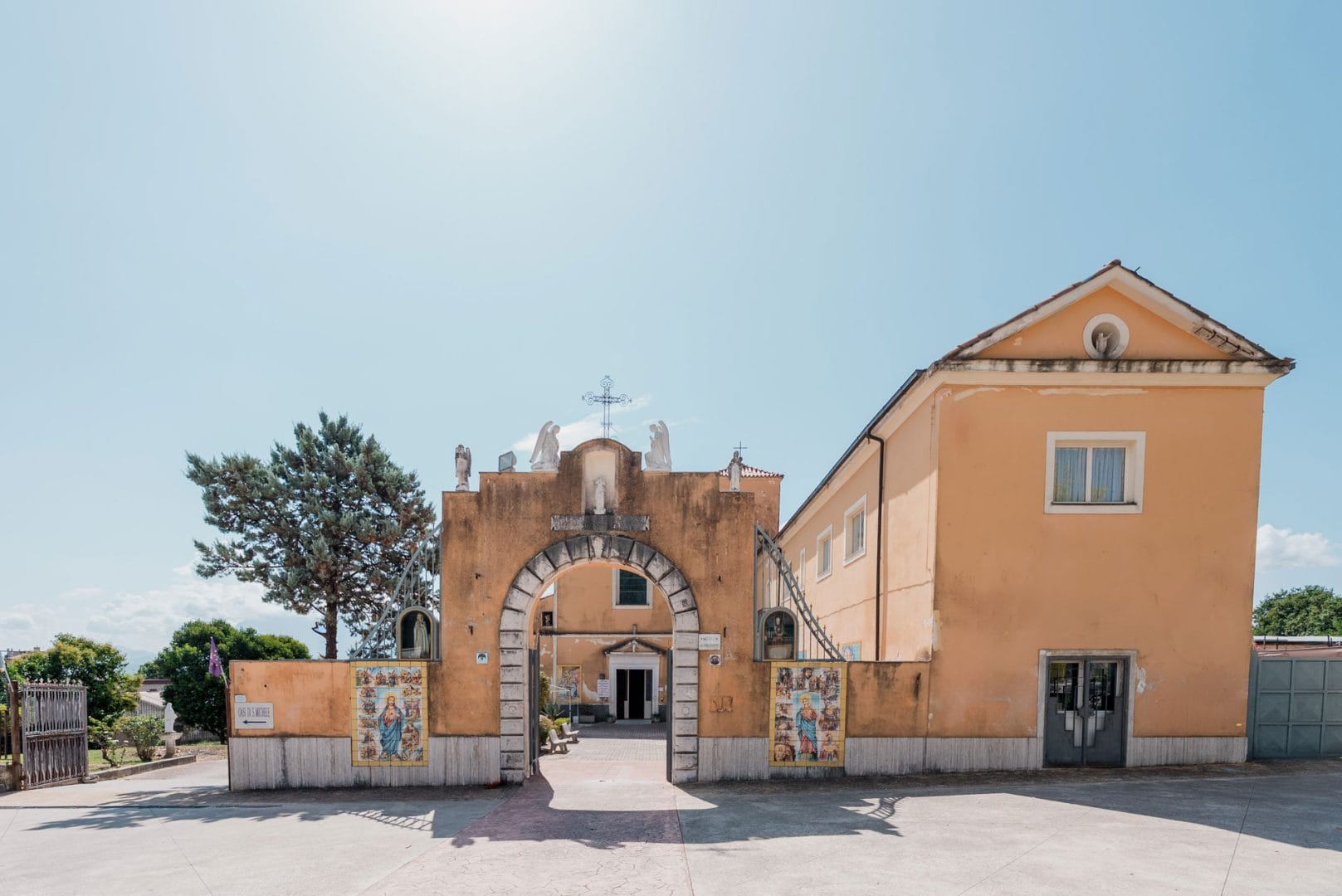
L’Abbey of Santa Maria La Nova is located in the hamlet of the same name in the municipality of Campagna (SA), nestled in a hilly setting among olive groves and oak trees.
Early reports speak of a benedictine monastery already active in the 9th-10th centuries; the foundation, according to local tradition, can be traced back to the monk Pellegrino, which in 769 laid the foundations of the monastery on a hill called Mount Auro.
During the Middle Ages, the abbey became an important centre for religious studies and training, with a 13th-century cloister. In the following centuries, the architectural layout was renewed: the 16th-century cloister, the church and the monastic rooms testify to the vitality of the complex even in modern times.
Today, the building, although modified, retains traces of the long centuries of monastic life and is a landmark for the local community and the historical memory of the city.
The origins of the abbey date back to a monastic model Benedictinea nucleus of monks led by Pellegrino, who gave life to a community dedicated to prayer and study.
During the 9th and 10th centuries, the abbey was reported as place of formation and novitiate, also thanks to the support of local bishops and nobles.
In 1505 the complex passed to the Olivetans; subsequently, from 1516, was entrusted to the Minimal Fathers, who promoted important restorations. In 1615 the abbey was taken over by the Countryside Cathedral Chapter.
This long arc of transformations shows how the abbey was not just a monument, but a living organism embedded in the religious, cultural and social history of the region.
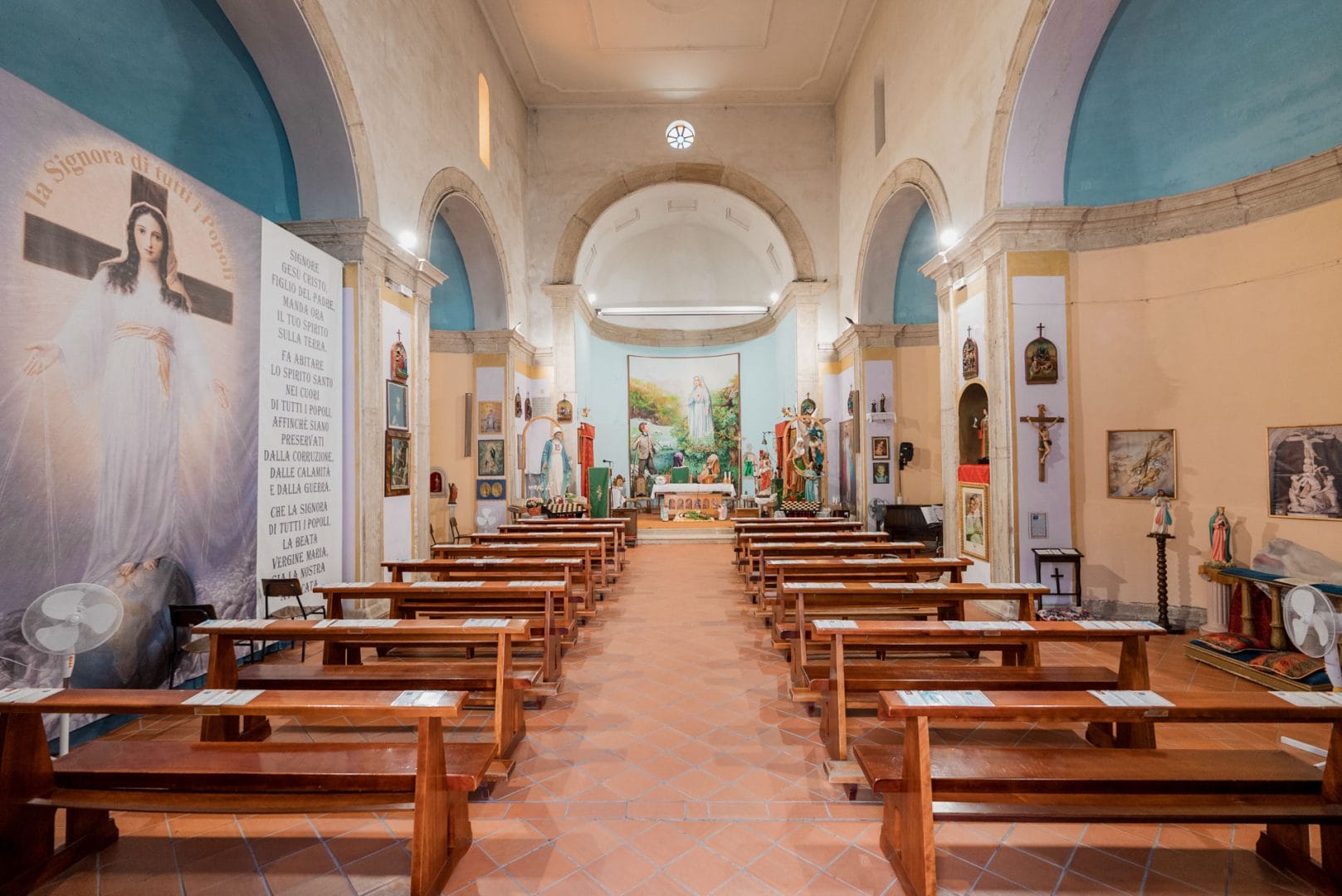
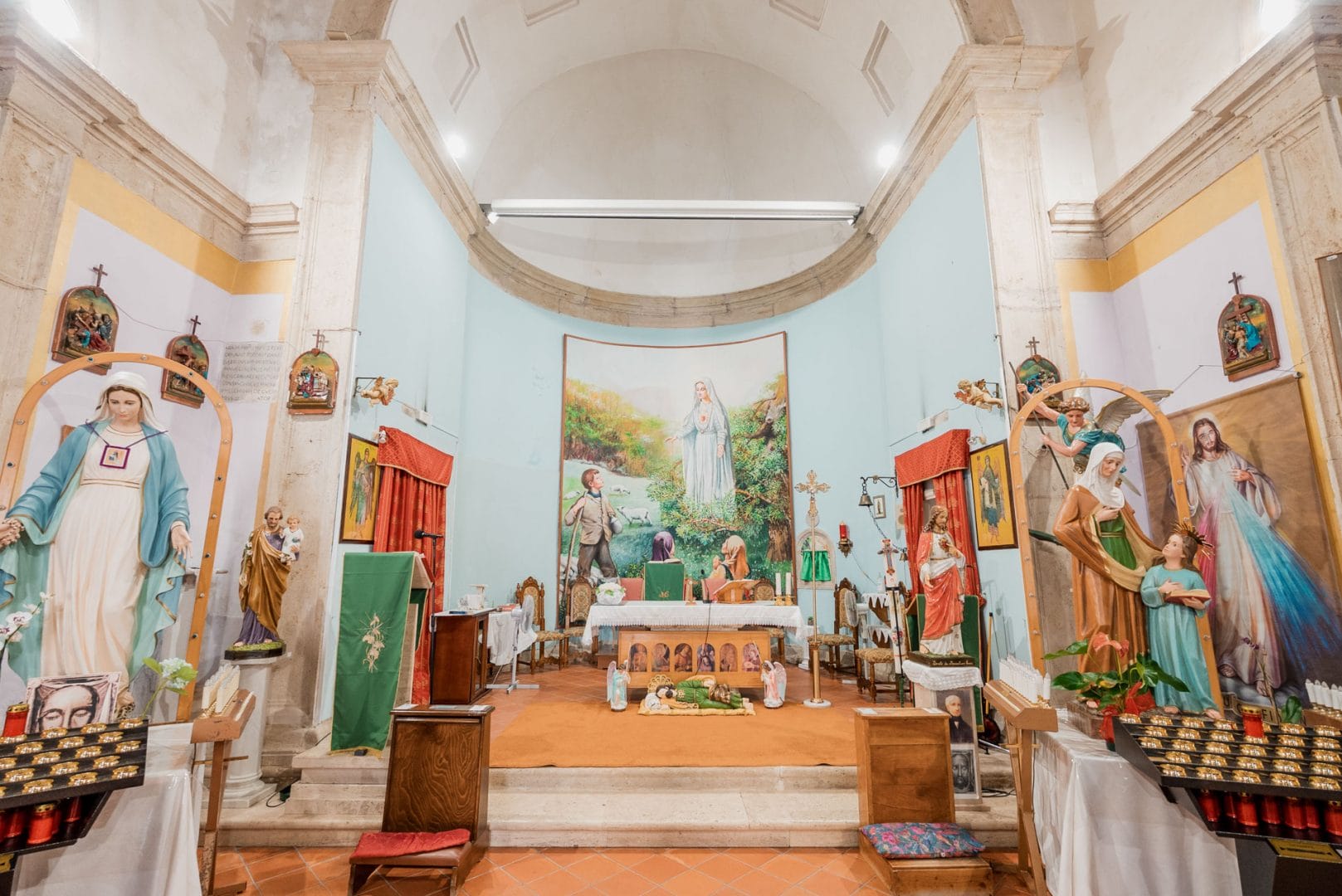
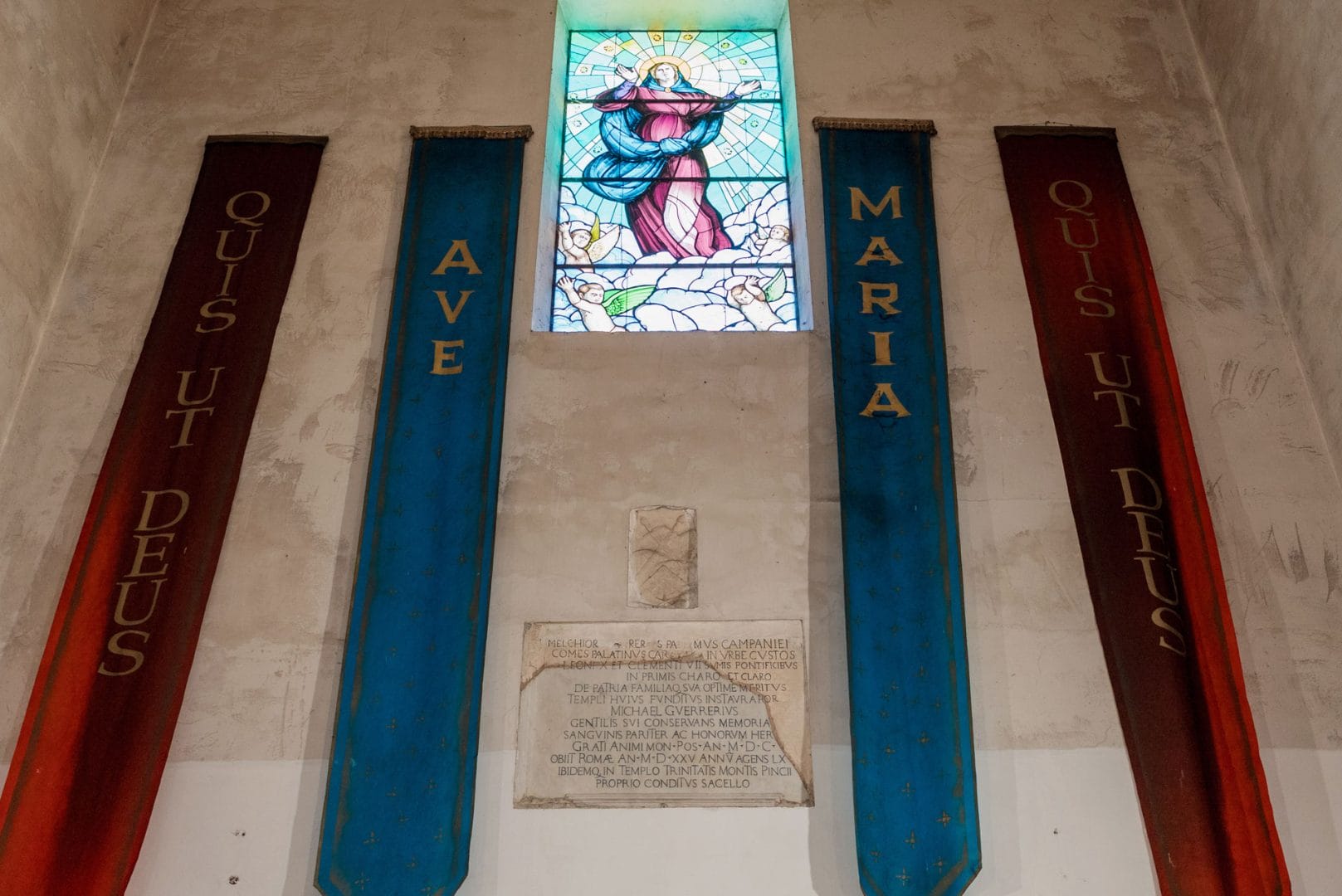
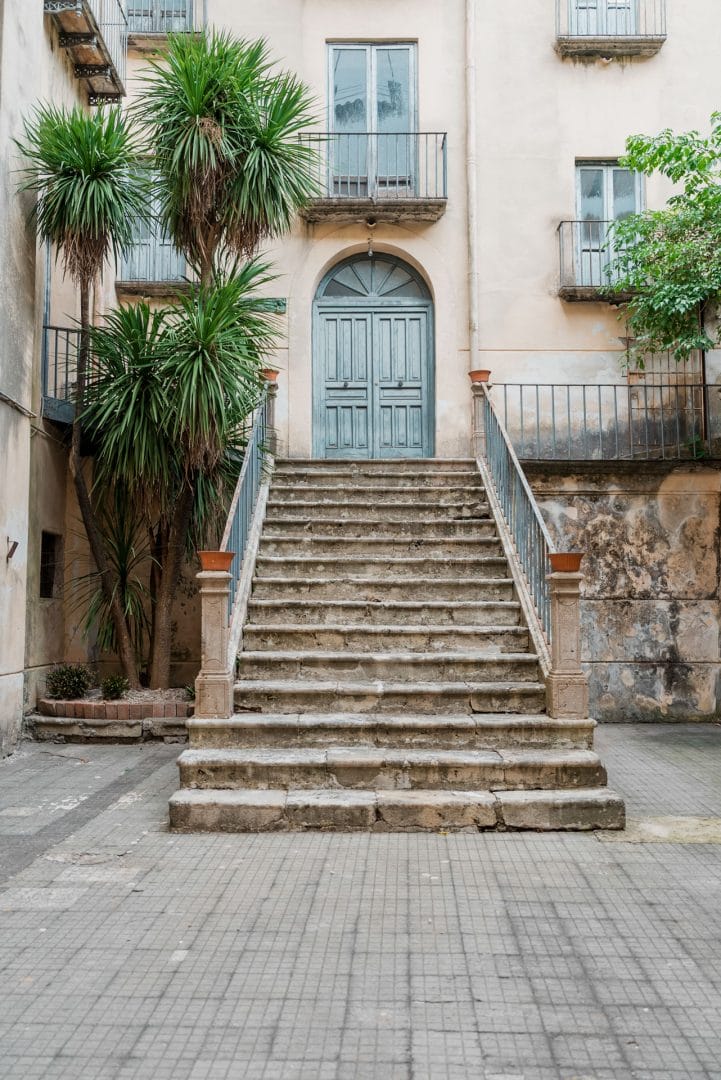
The complex preserves the remains of the 16th-century cloister, a 16th century stairwell and the small single-nave church.
The 13th century main cloister, originating from the abbey, measured approx. 12.20 × 22.95 metres and was characterised by cross vaults. Today only two columns e a capital.
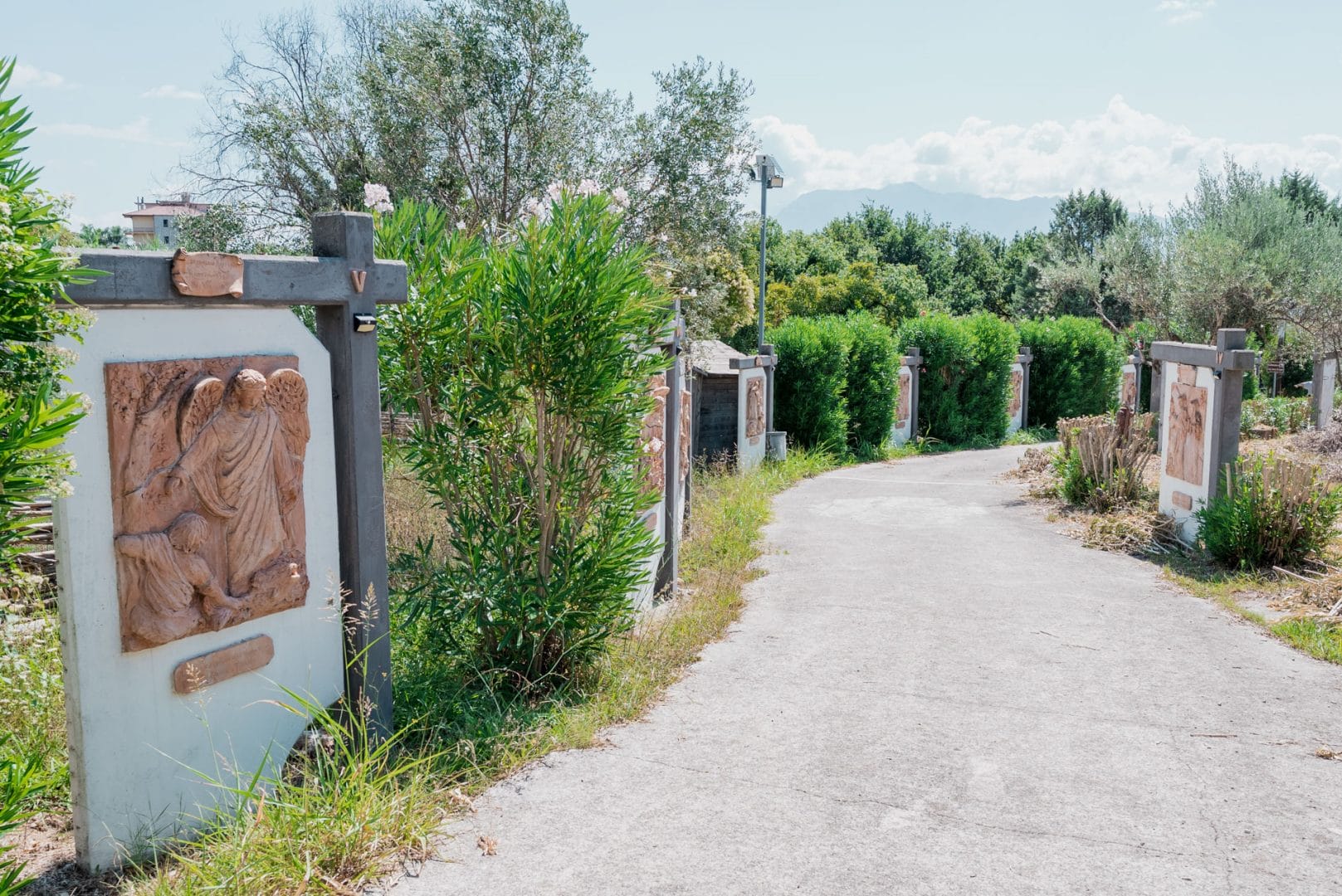
The environmental context - among olive groves and country paths - contributes to the landscape value of the entire area.
The damage caused by the 1980 earthquake and subsequent restorations, completed in 1990.
The abbey, while not preserving the original layout, keeps the memory of the monastic life and the relationship between nature, spirituality and work.
Today it is a destination for walking, reflection and discovery of the area.