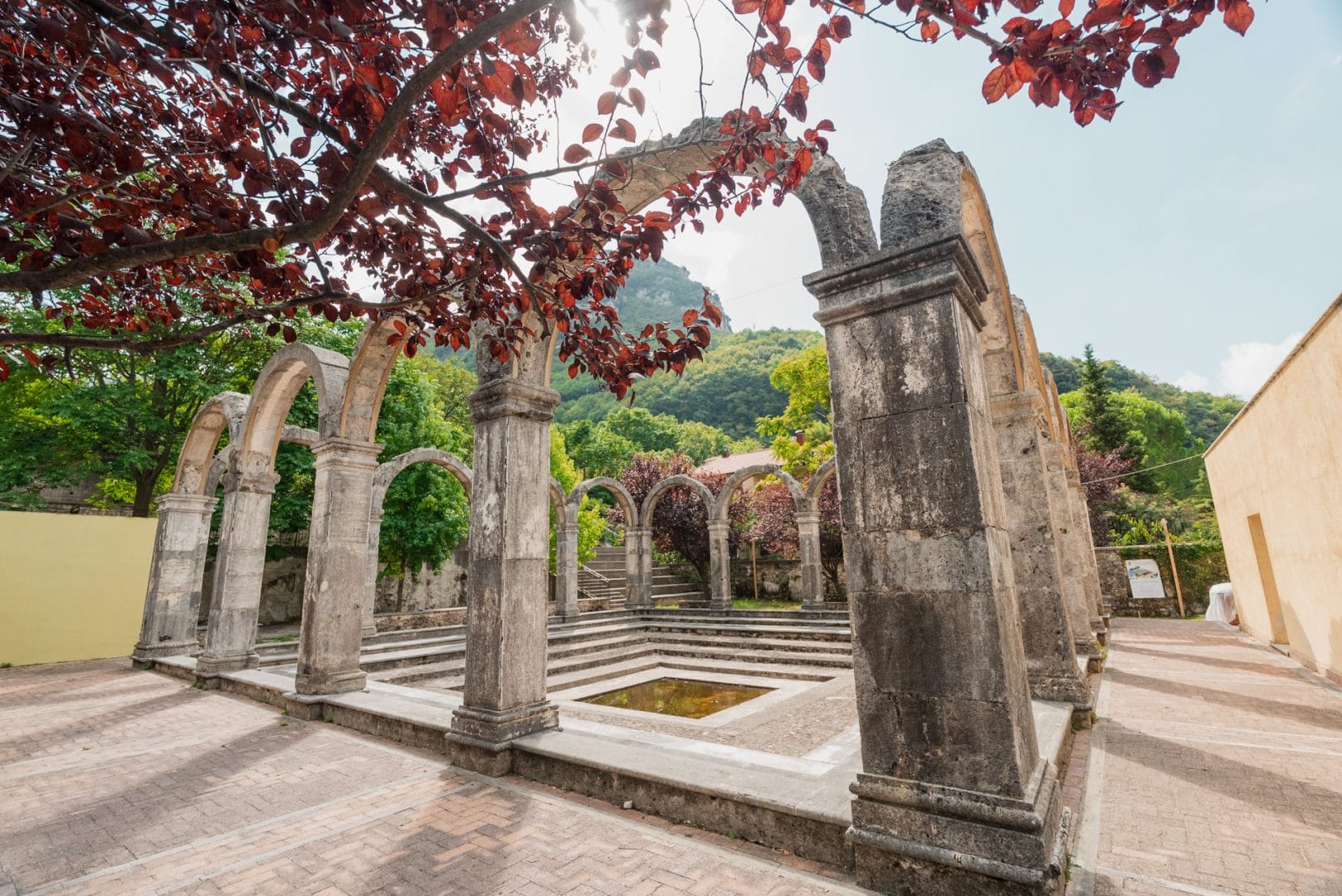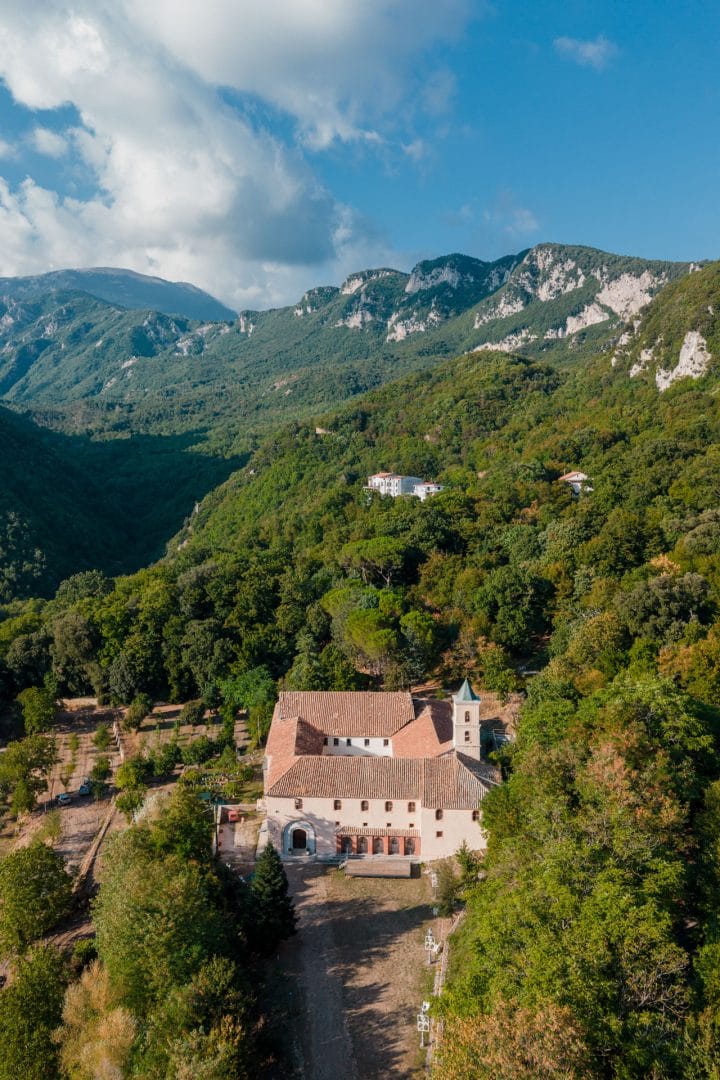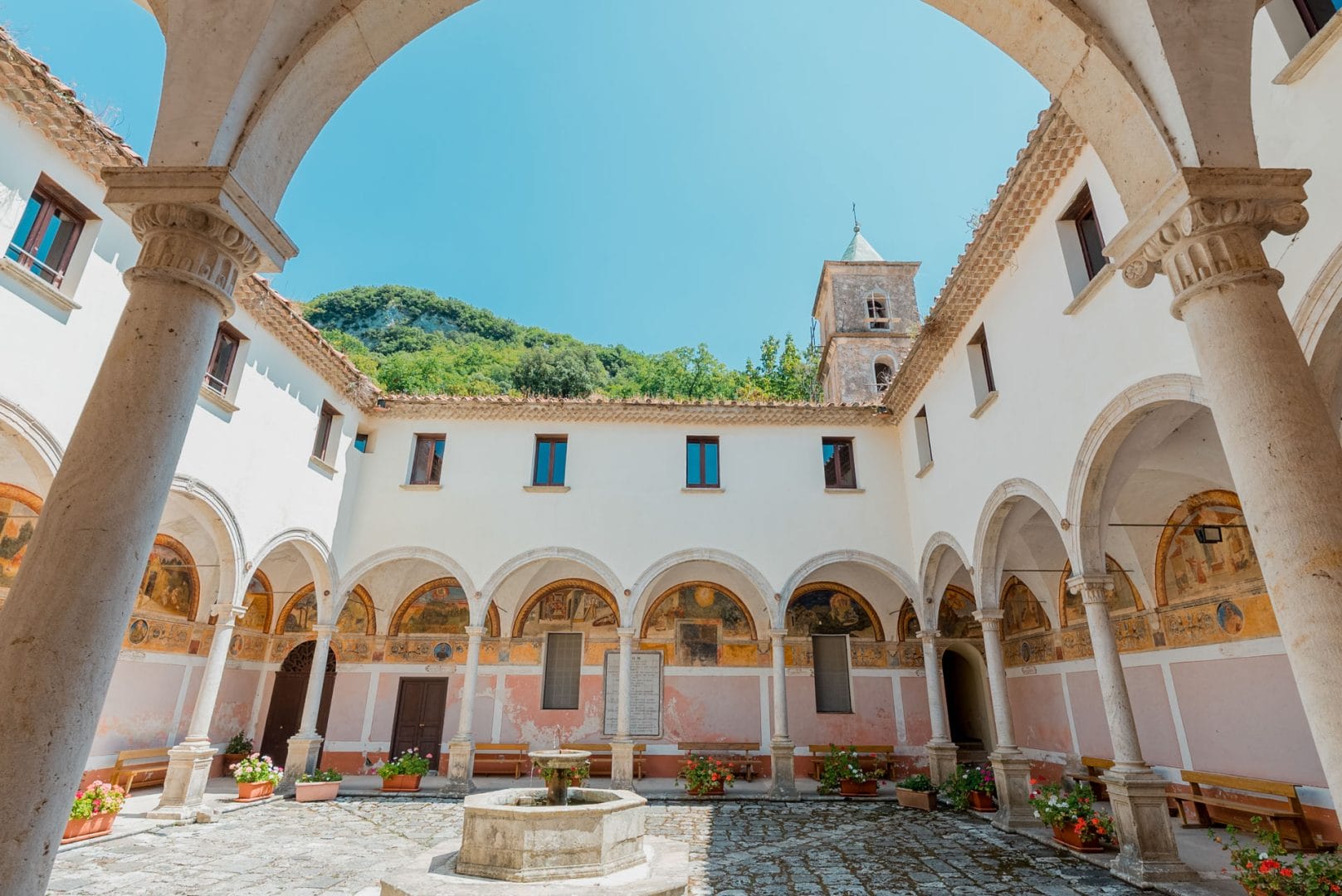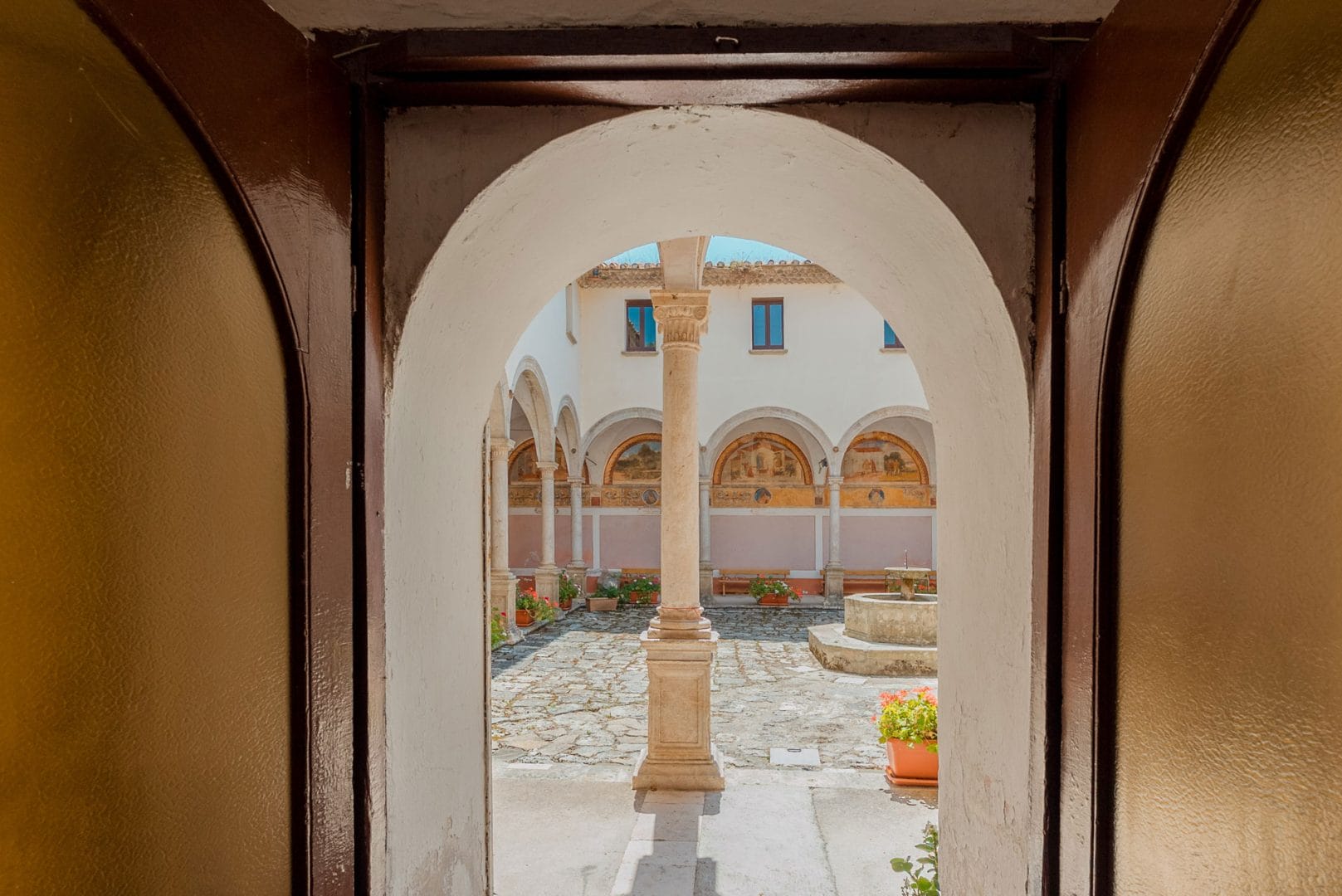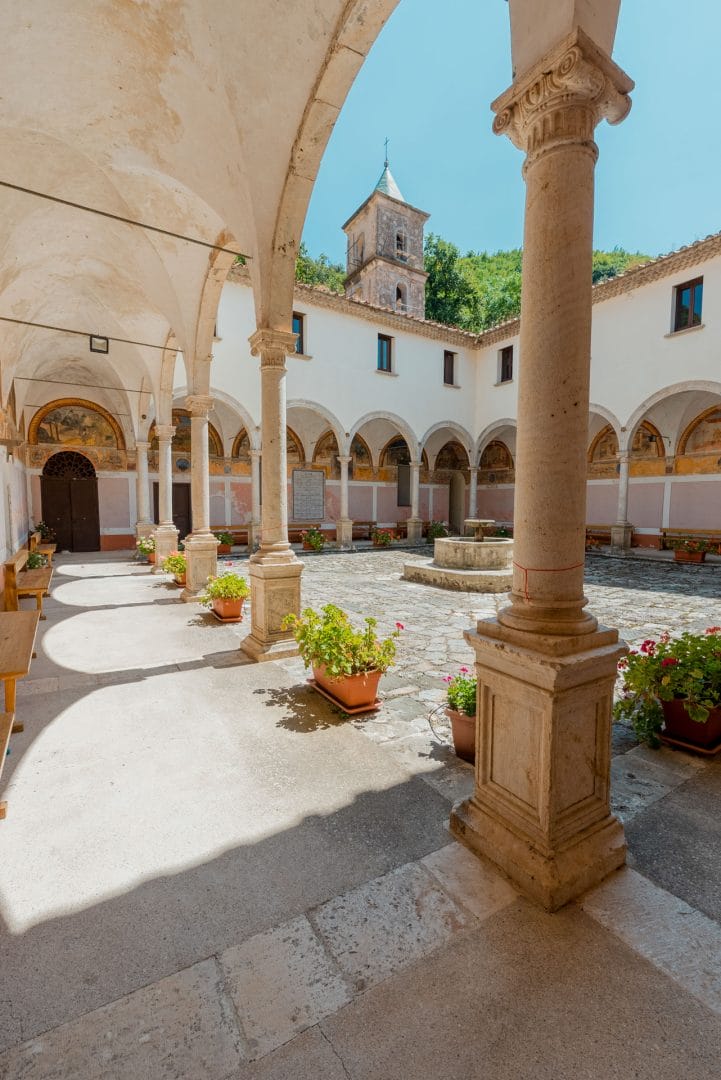


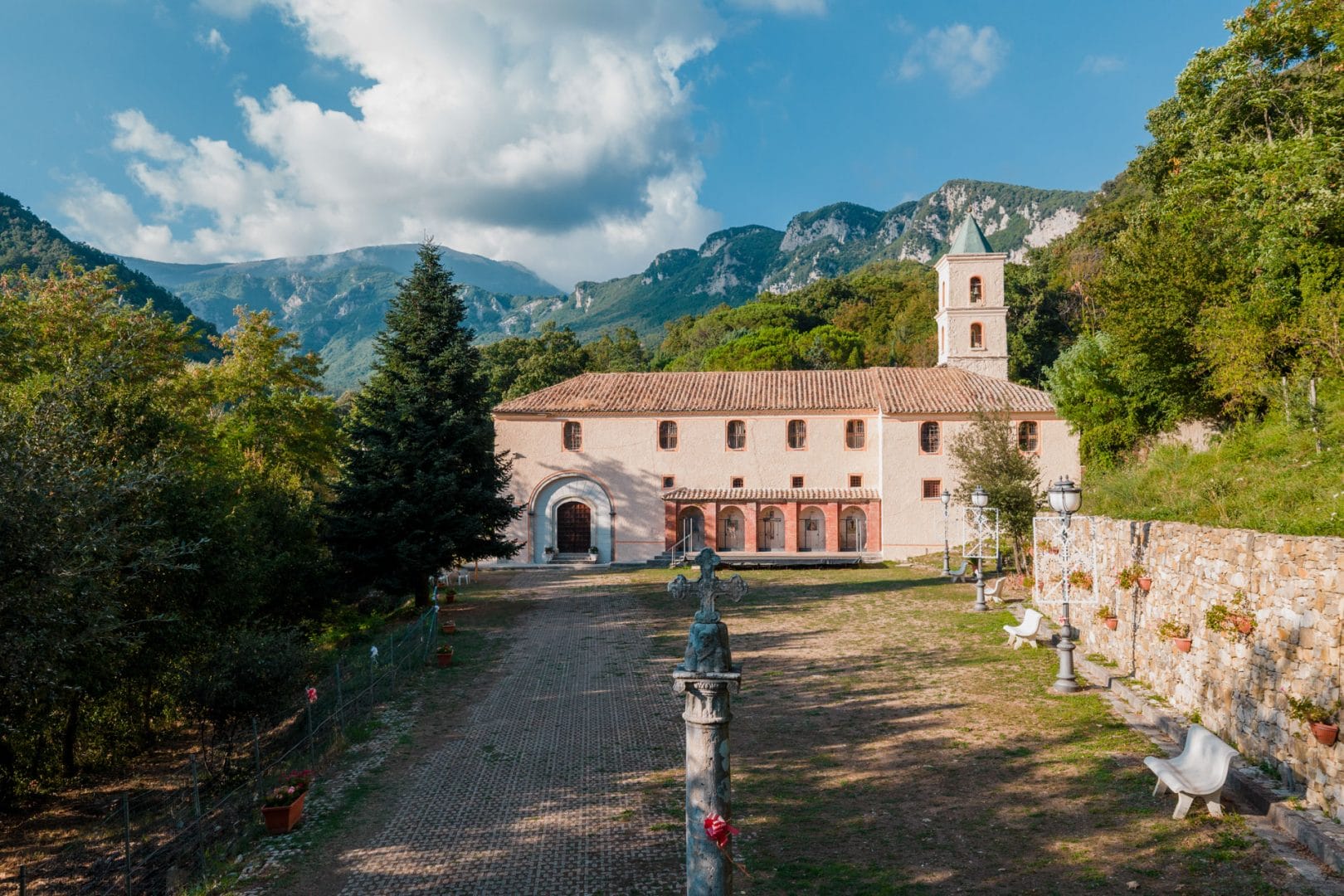
The Shrine of Our Lady of Avigliano stands in a mountainous landscape of rare beauty, in the heart of the Picentini Mountains, about seven hundred metres above sea level.
Located a few kilometres from the centre of Campagna, it represents one of the best-loved and most recognised places of worship in the province of Salerno, symbol of popular devotion and the deep connection between faith, nature and local identity.
According to tradition, the birth of the sanctuary is linked to the miraculous finding of an image of the Virgin Mary inside a hollow tree, sign interpreted as a divine manifestation. On the site of the prodigy, the inhabitants built a chapel that soon became a pilgrimage destination and the heart of Campagnese spirituality.
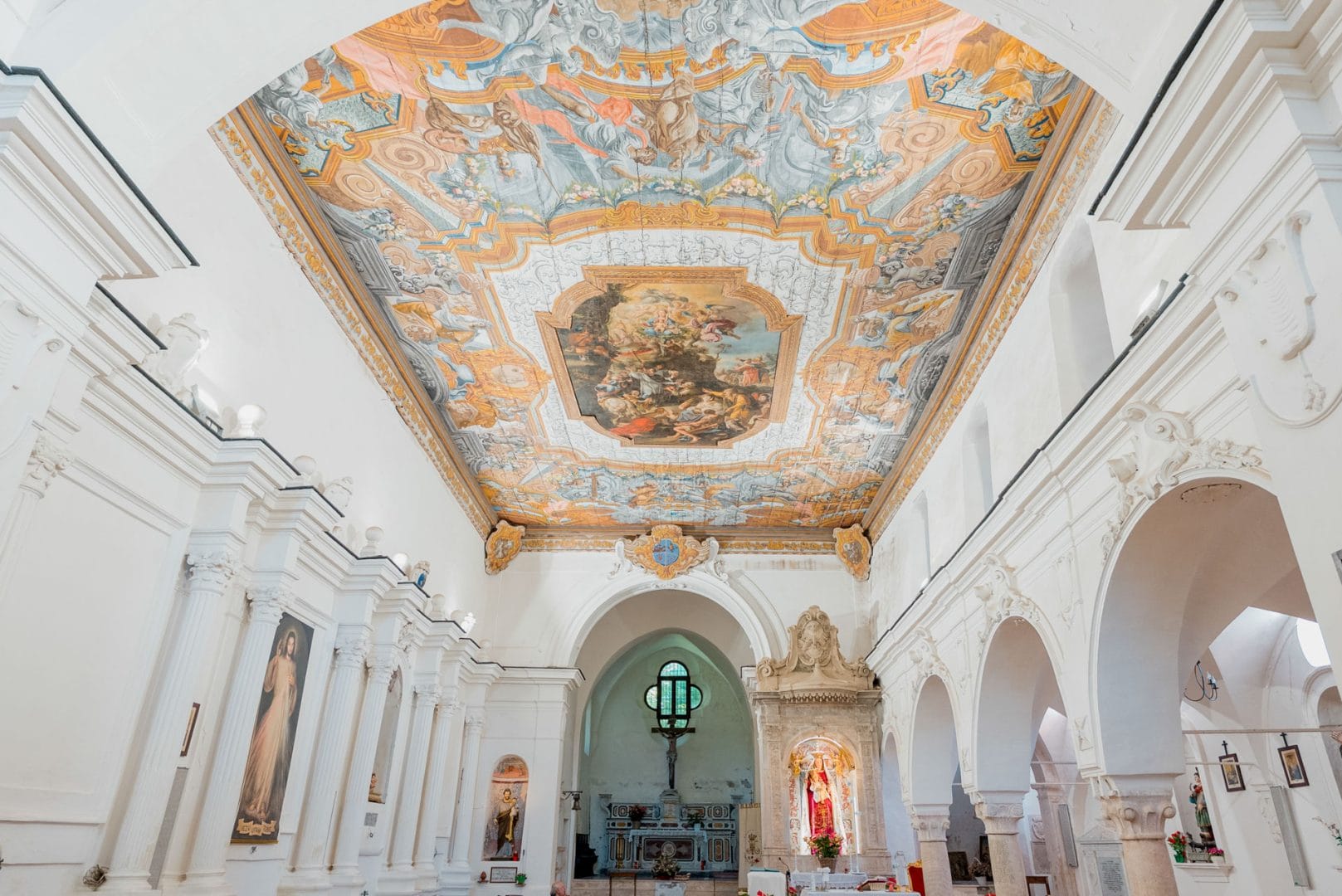
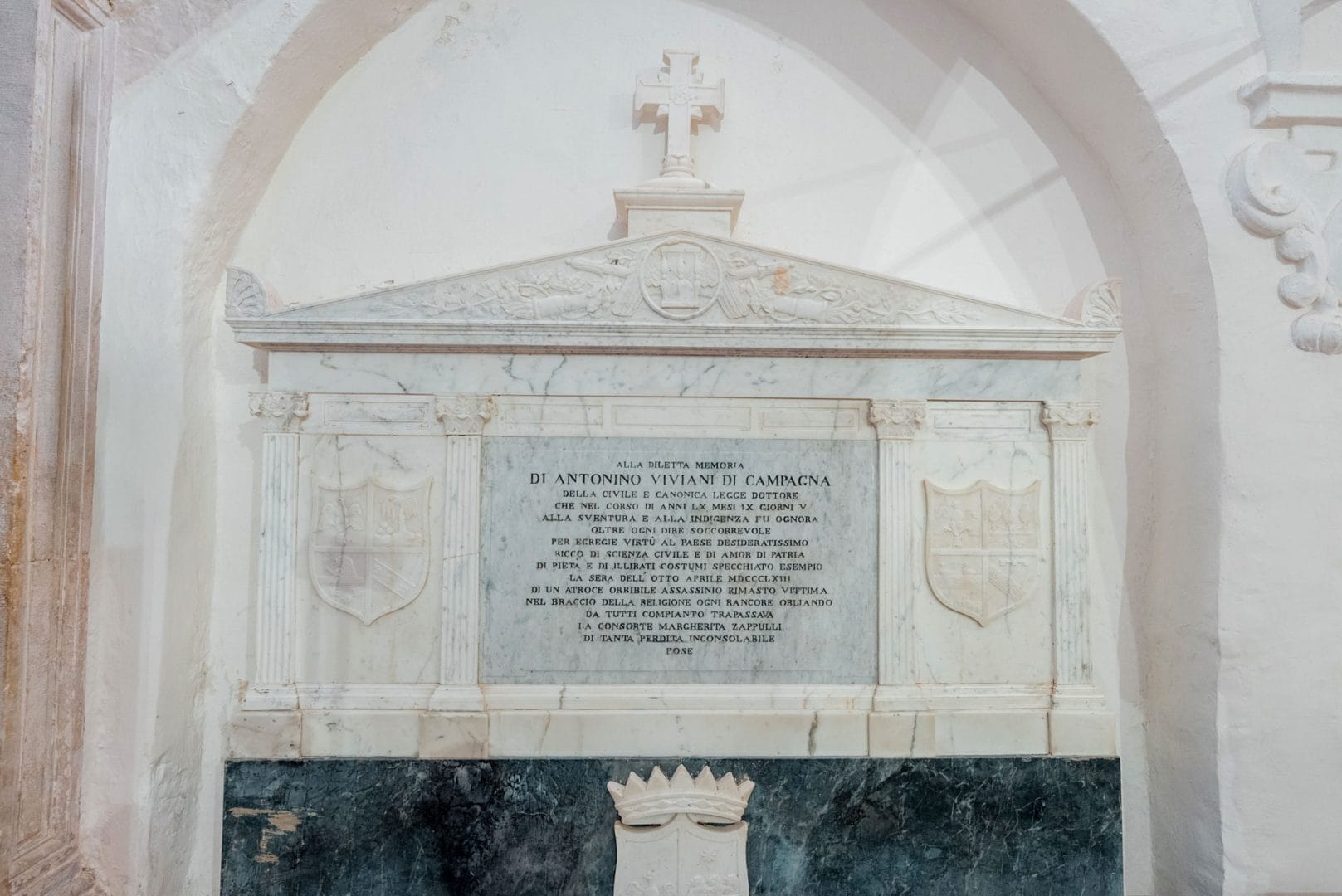
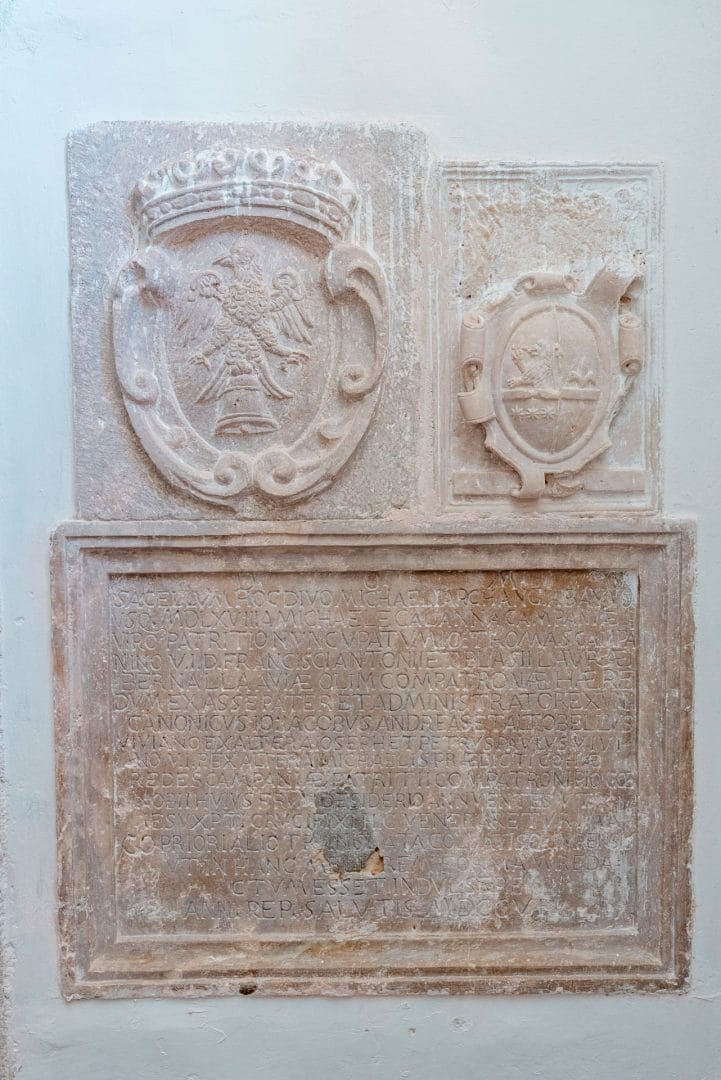
Ancient documents attest to the presence of a church already in medieval era, but the present structure was built in the 17th century and subsequently enlarged and decorated in the following centuries. During the 17th and 18th centuries, thanks also to the contributions of local noble families and confraternities, the building took on the form we know today: a single nave with a raised presbytery, marble facings and sober but harmonious decorations.
During the 19th century, the church was restored after several seismic events, and was enriched with new devotional works, votive offerings and sculptures that testify to the continuity of popular faith.
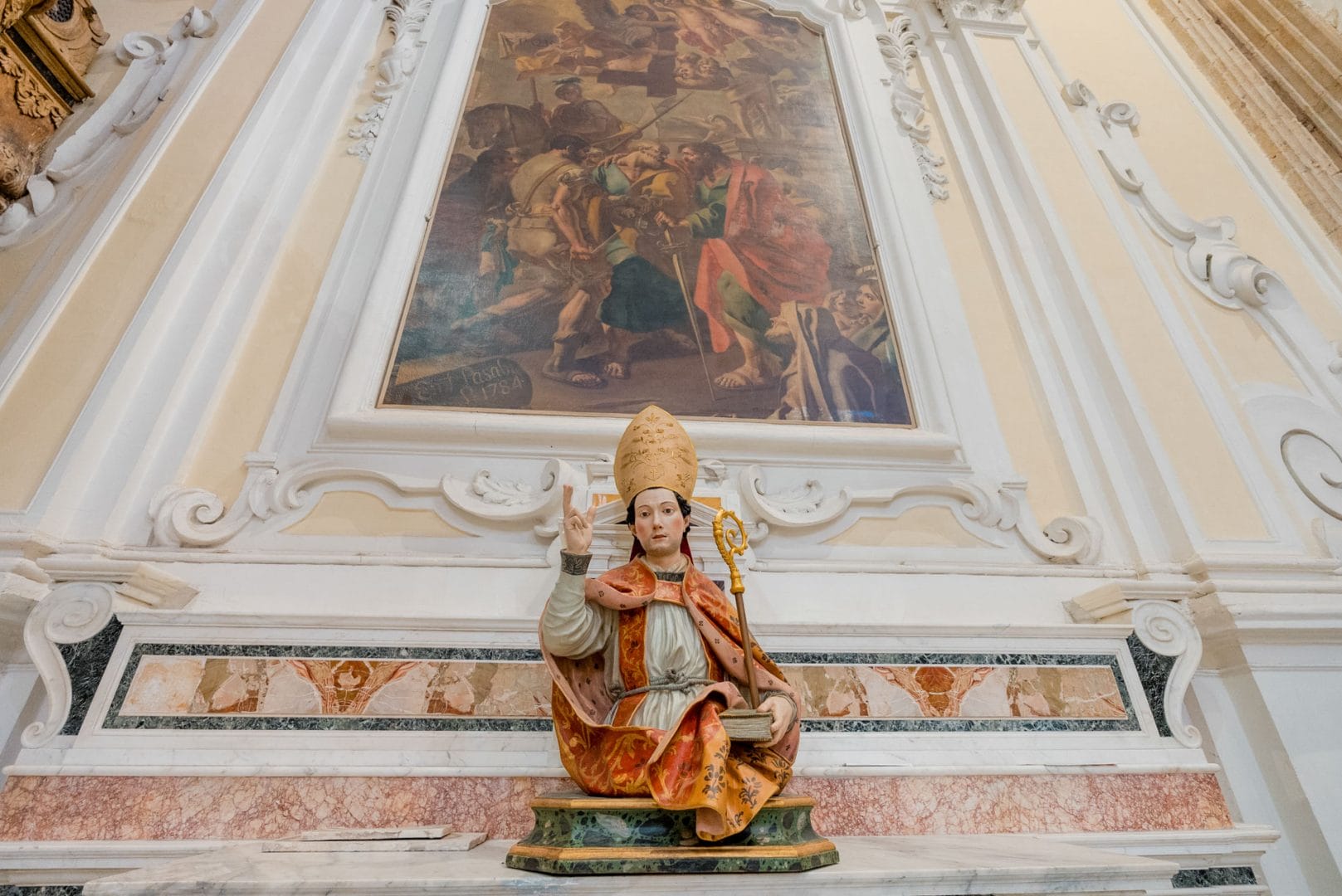
The interior, simple and bright, houses a wooden statue of Our Lady, dressed in precious votive garments, to whom numerous graces and healings are attributed.
The sanctuary is reached via a scenic road that climbs among chestnut groves and springs, and every year, during the Feast of the Assumption, thousands of believers make the walk from the city to the mountain, turning the climb into an experience of prayer and communion.
Avigliano is not just a religious shrine, but a place of the soul: a meeting point between collective memory and the breath of the landscape, between centuries-old history and the living power of tradition.
The cult of Our Lady of Avigliano is rooted in the history of Campagna as one of the most authentic expressions of popular religiosity in southern Italy.
Devotion to the Virgin has been handed down for centuries, intertwining with the daily life of the community and the rhythms of the seasons.
The summer pilgrimage on the occasion of the Feast of the Assumption, 15 August represents the emost heartfelt religious and social wind of the year. From dawn, the faithful gather in the main square and, reciting prayers and chants, make their way to the shrine carrying banners, candles and votive images.
The procession, long and tiring, is transformed into a collective ritual that fuses faith, identity and belonging: a path of reconciliation and gratitude towards the Madonna, perceived as mother and protector of the city.
During the week of festivities, the sanctuary becomes a crossroads of encounters, sounds and scents: the banquets of the devotees, the offerings of flowers, the prayers recited before the altar, the melodies of the confraternities and the bells ringing out in the mountains.
The ex-votos hanging on the walls bear witness to the bond between the Virgin and the people: small objects, painted tablets, letters, photographs, which appear as silent accounts of graces received.
There is no shortage of oral tales handed down by the elderly, according to which the Madonna saved Campagna from plagues, fires and famine, protecting the town in the most difficult moments of its history. Even today, many Campagnesi emigrants return every year to take part in the feast, renewing that bond that unites religious devotion with nostalgia for their origins.
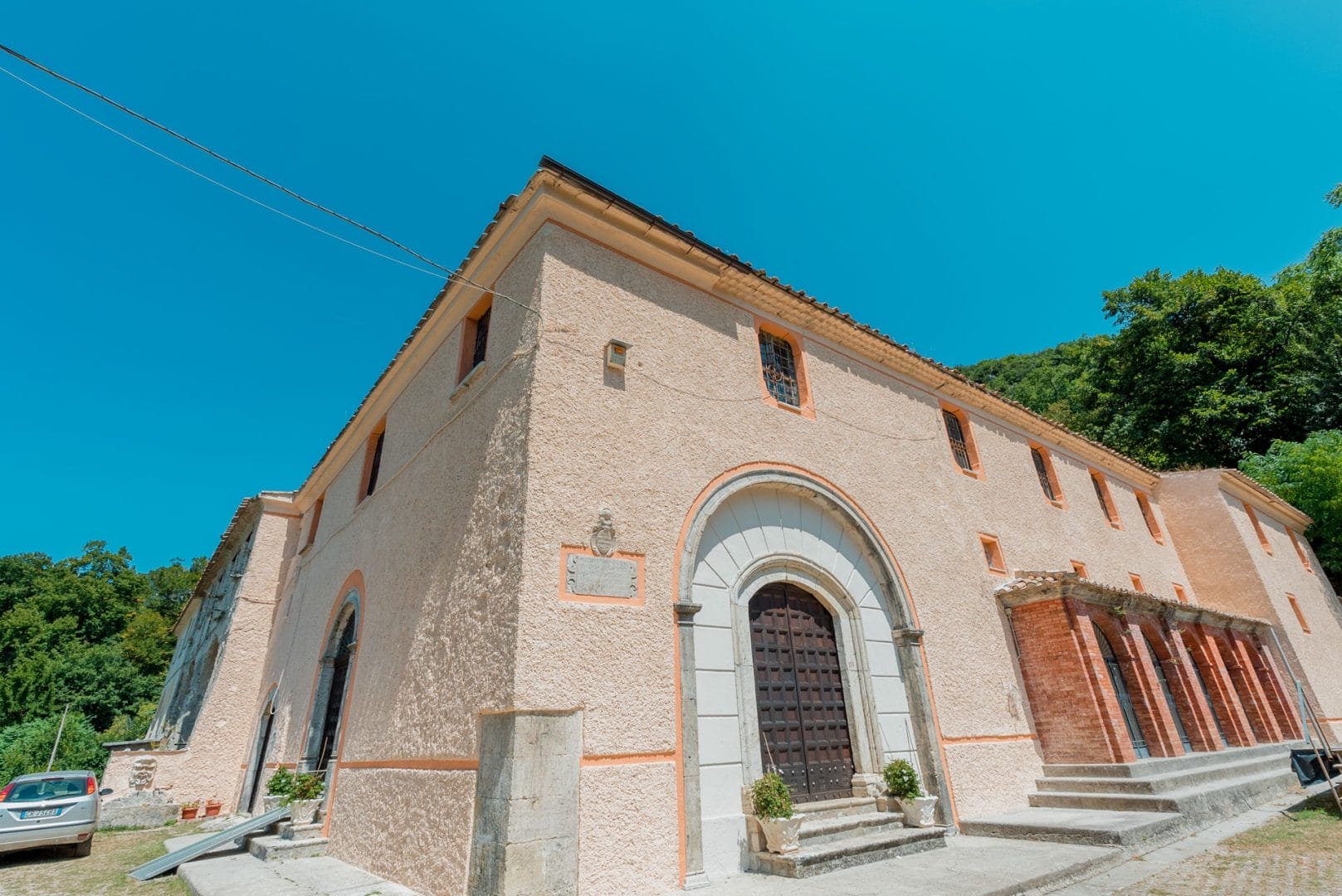
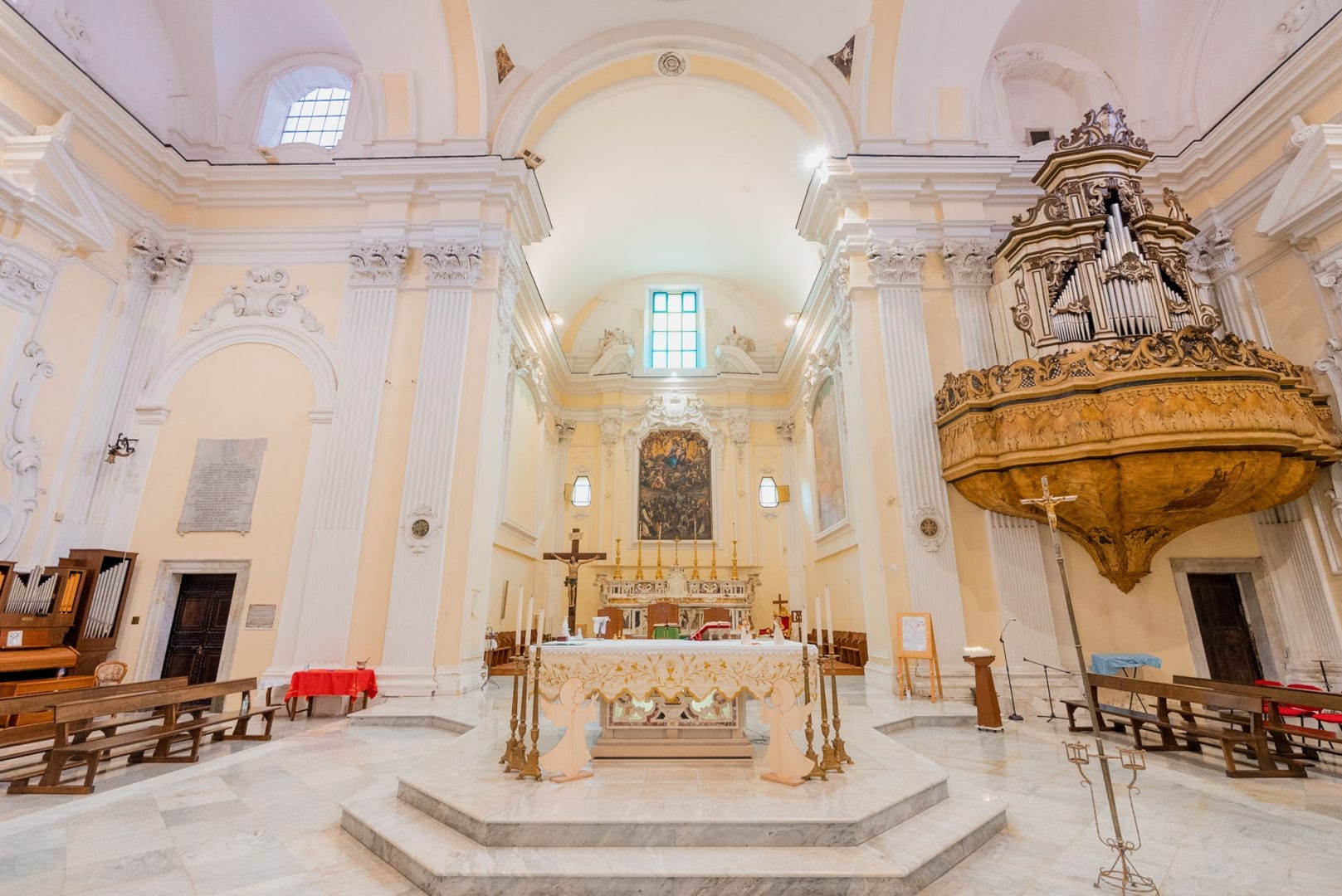
The architecture of the Sanctuary of Our Lady of Avigliano reflects the sobriety and balance of sacred mountain places.
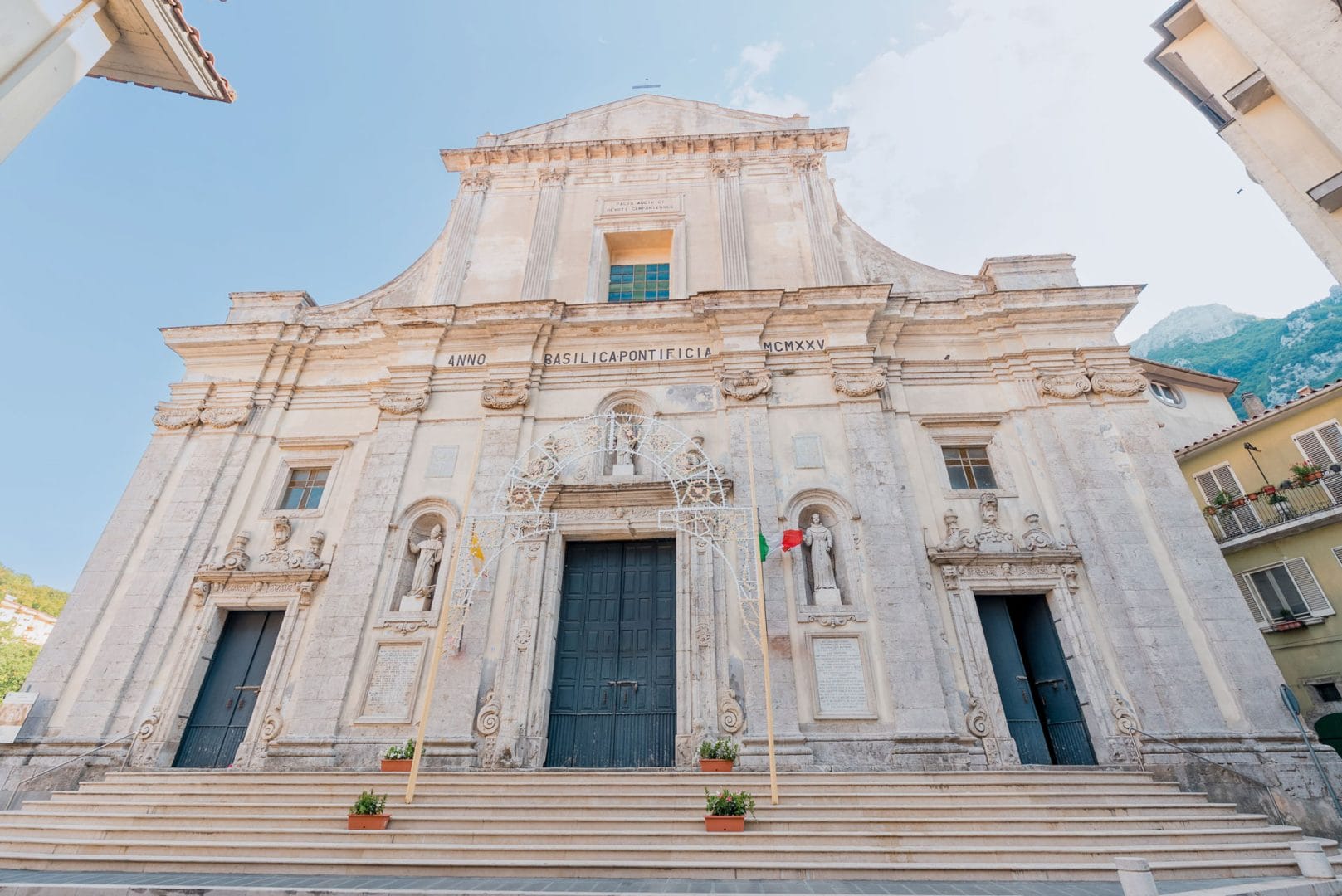
La facade, made of local stone, is marked by simple, harmonious lines, with an entrance portal framed by carved blocks and surmounted by an arched window illuminating the nave.
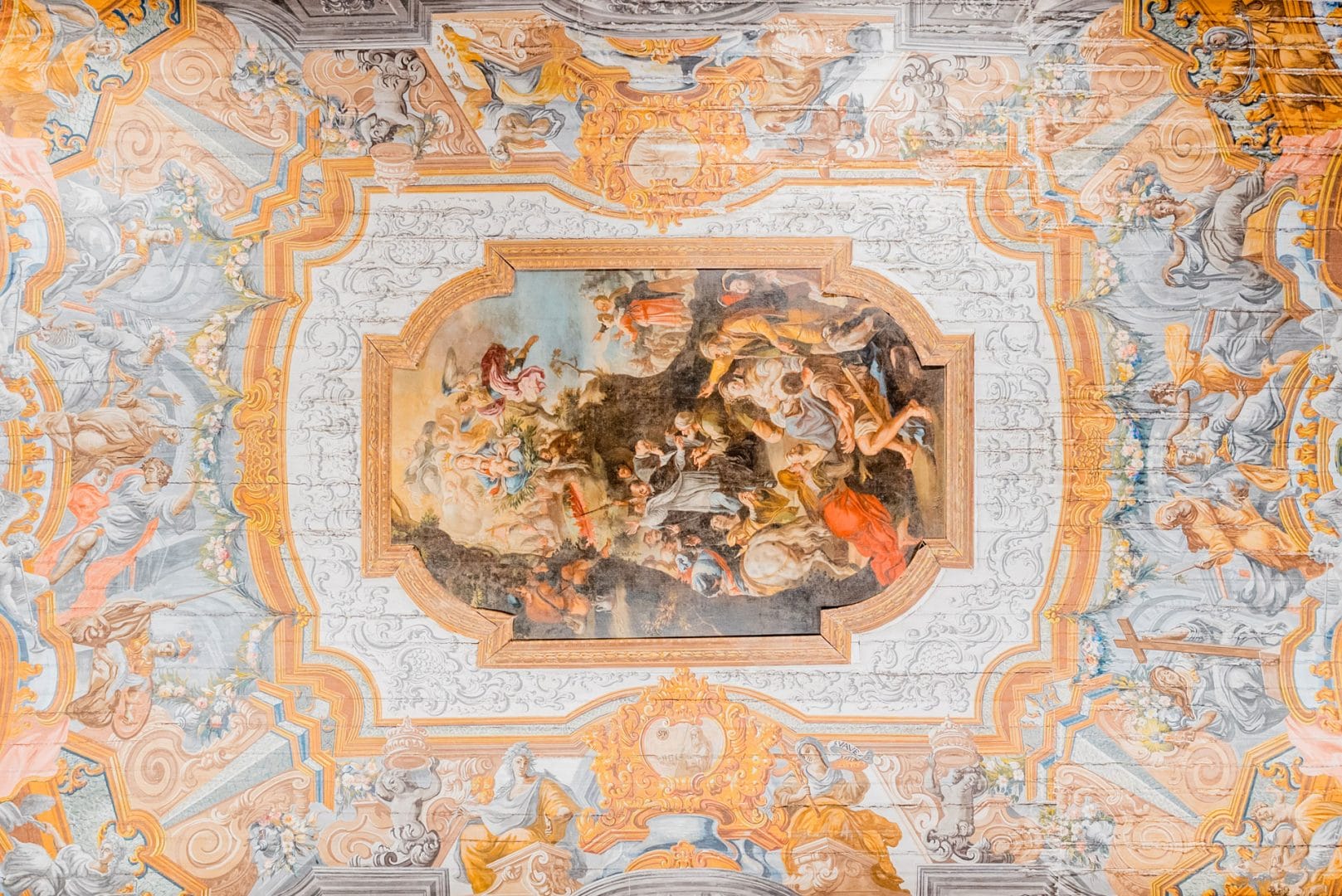
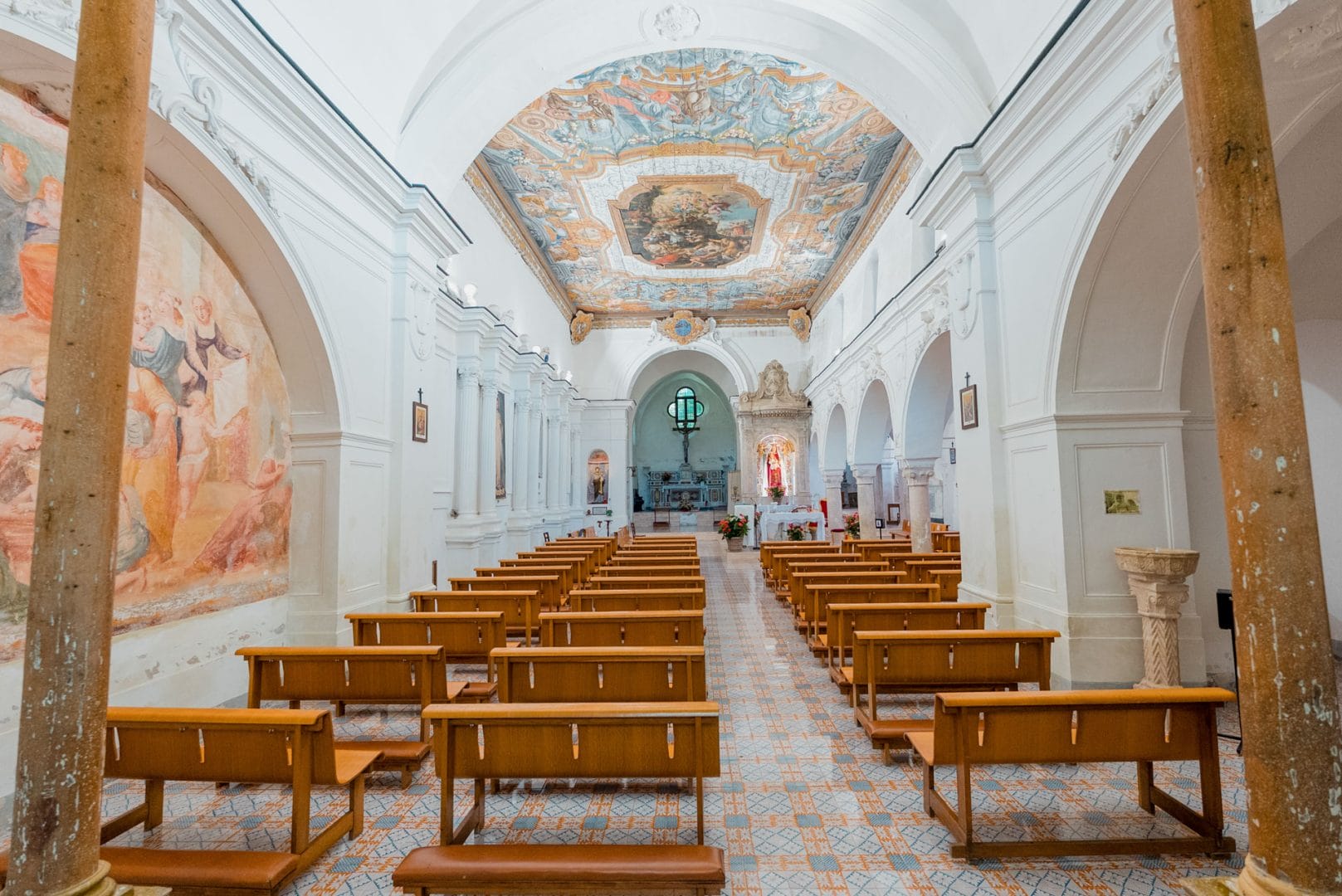
L’inside, a single hall, is covered by a wooden truss roof that lends warmth and rhythm to the space.
L’high altar, made of polychrome marble in the 18th century, houses the statue of the Virgin, dressed in embroidered mantles and crowned in silver.
On the side walls open niches and minor altars dedicated to local saints and patrons, decorated with stucco and floral motifs.
The floor in terracotta and majolica reflects the light that penetrates through the windows, creating an atmosphere of peace and recollection.
At the’outside, a large churchyard serves as a natural belvedere over the valley below, offering a view as far as the sea on a clear day.
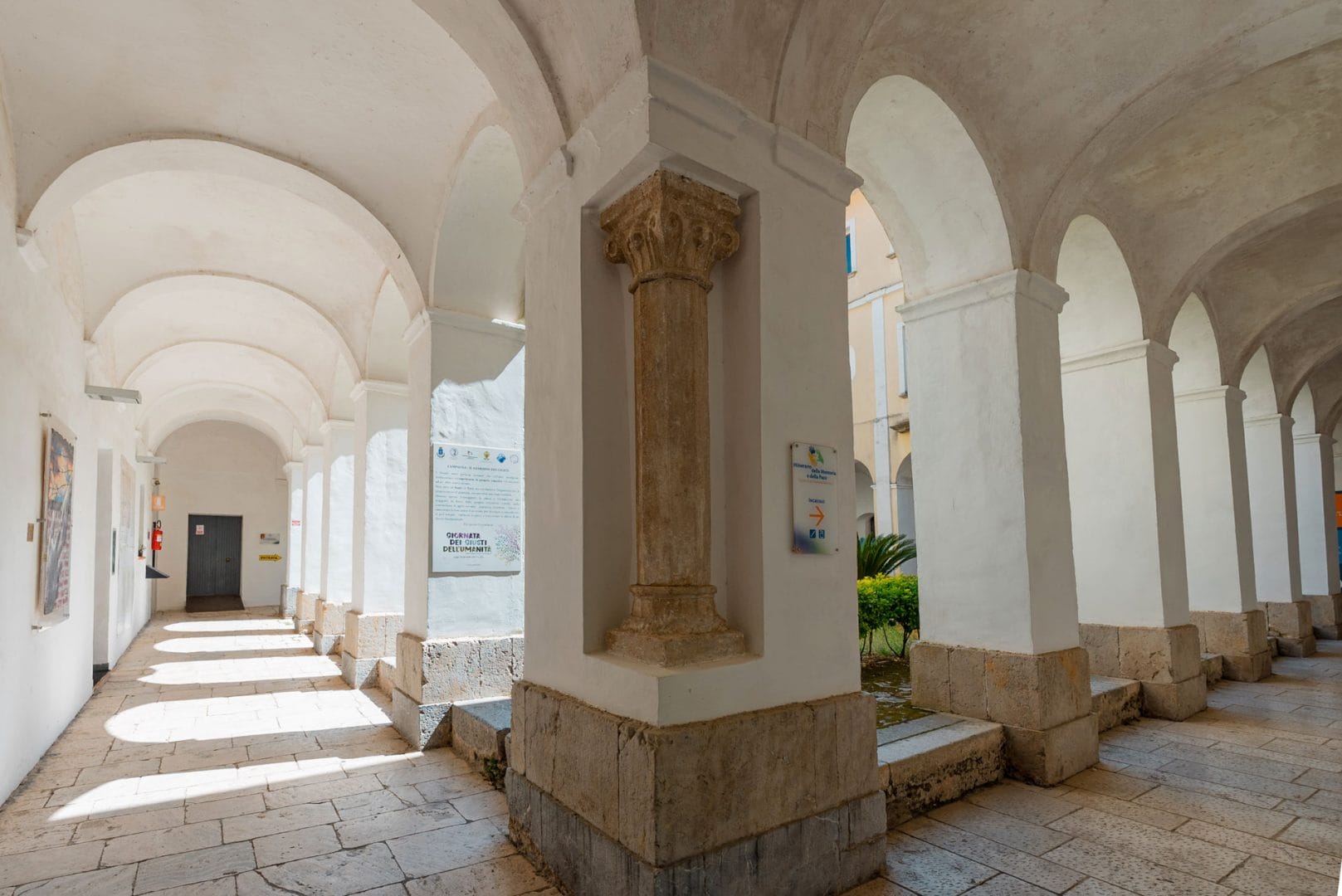
Next to the church stands the rector's house, the guesthouse for pilgrims and some service facilities that once welcomed wayfarers and hermits.
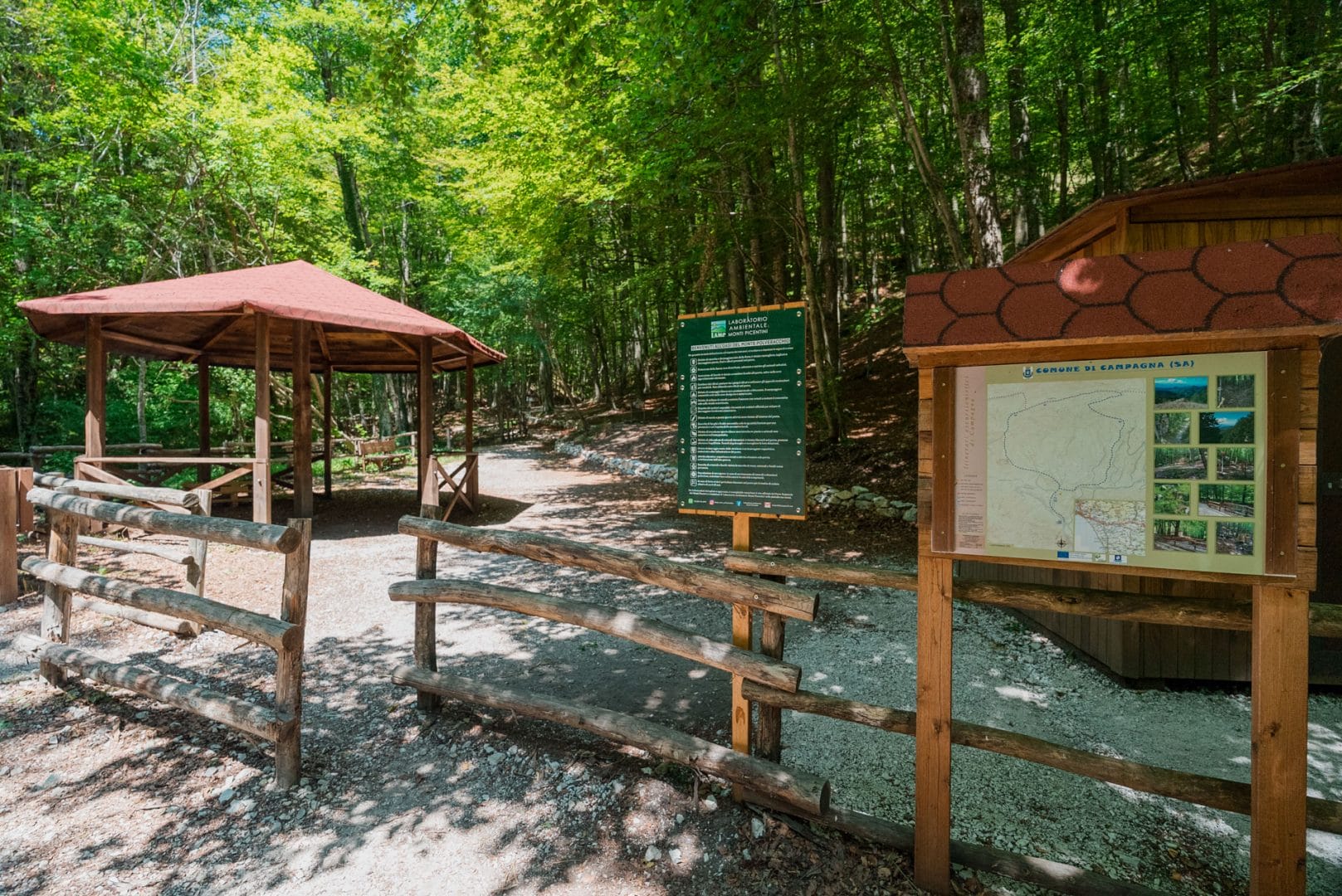
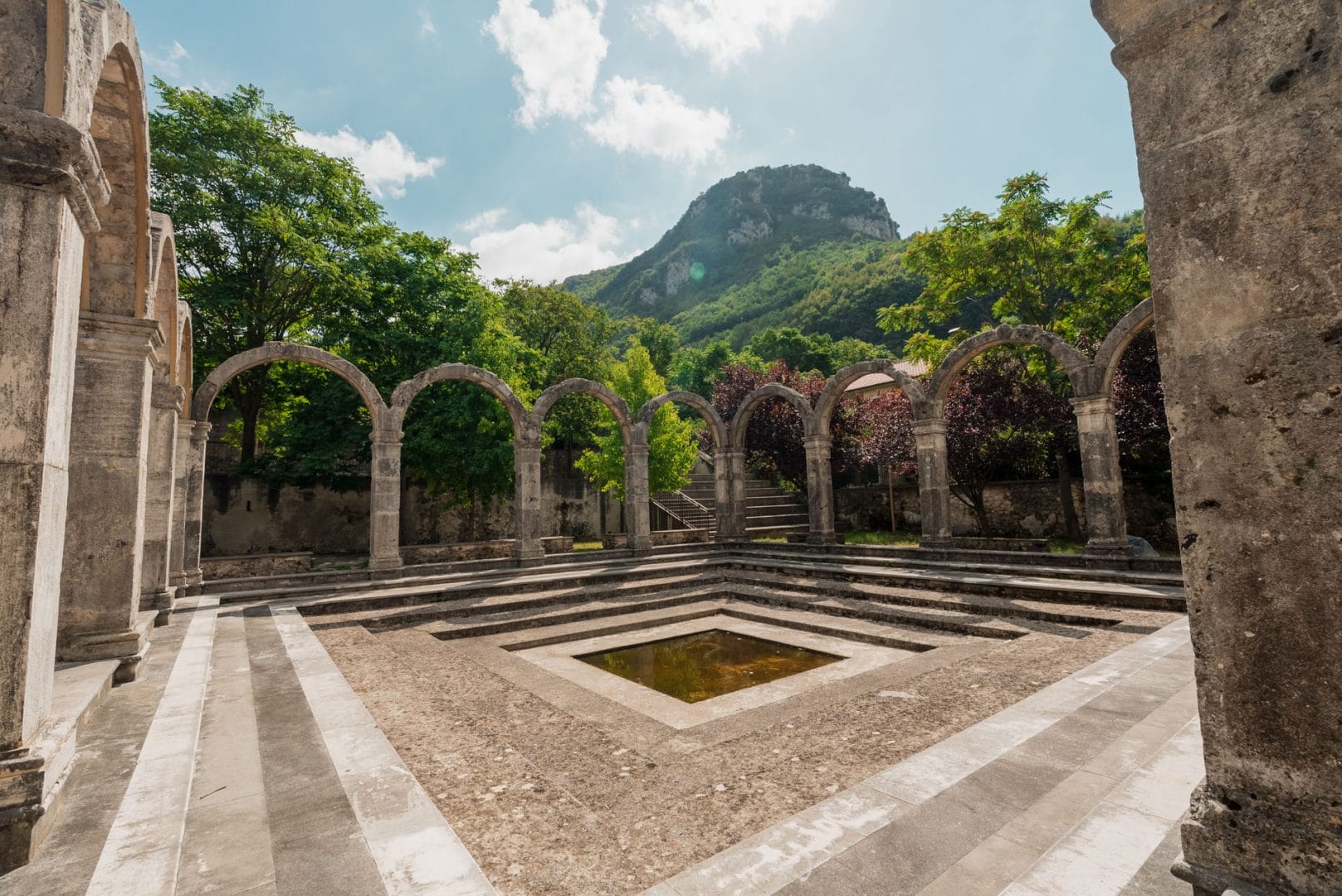
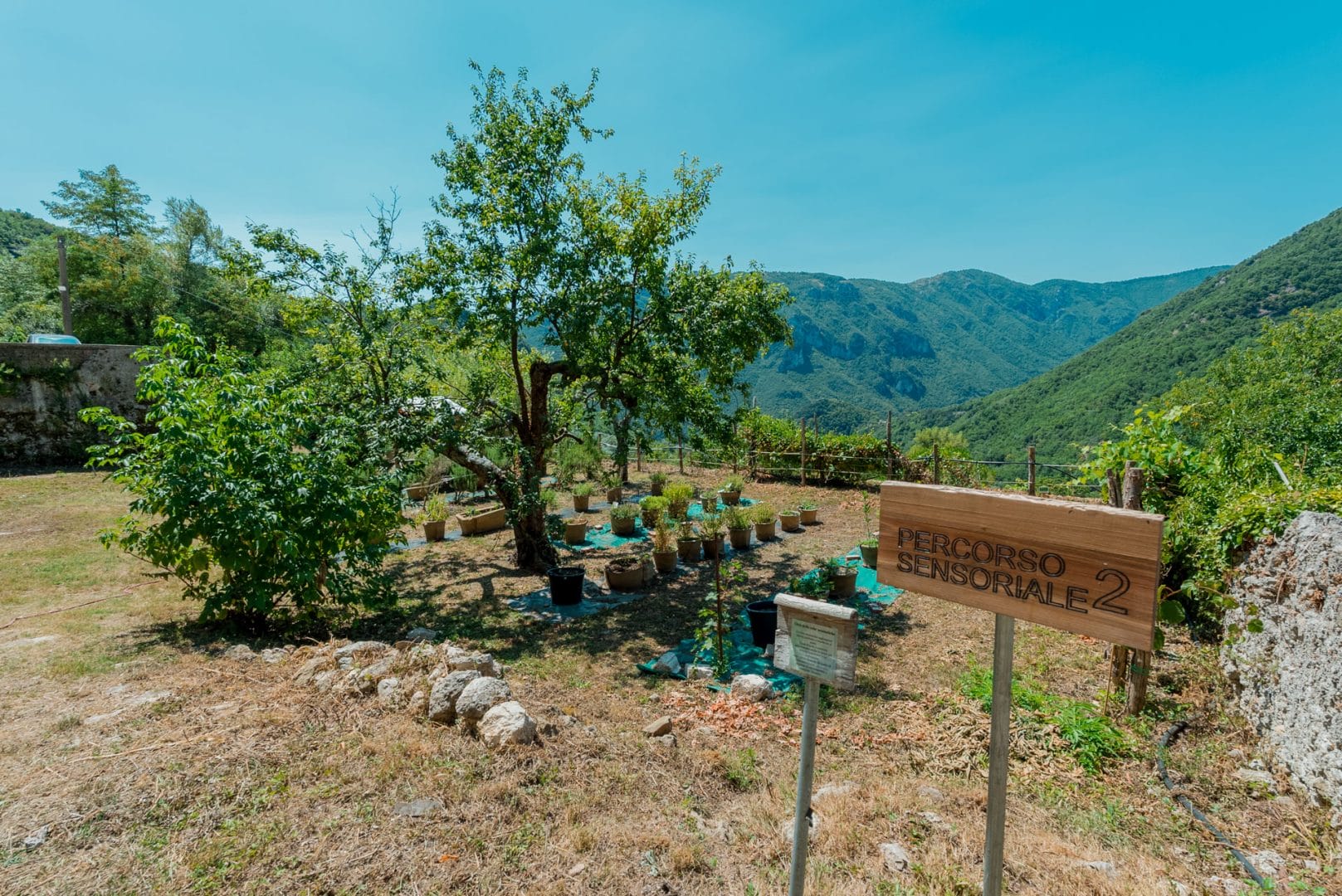
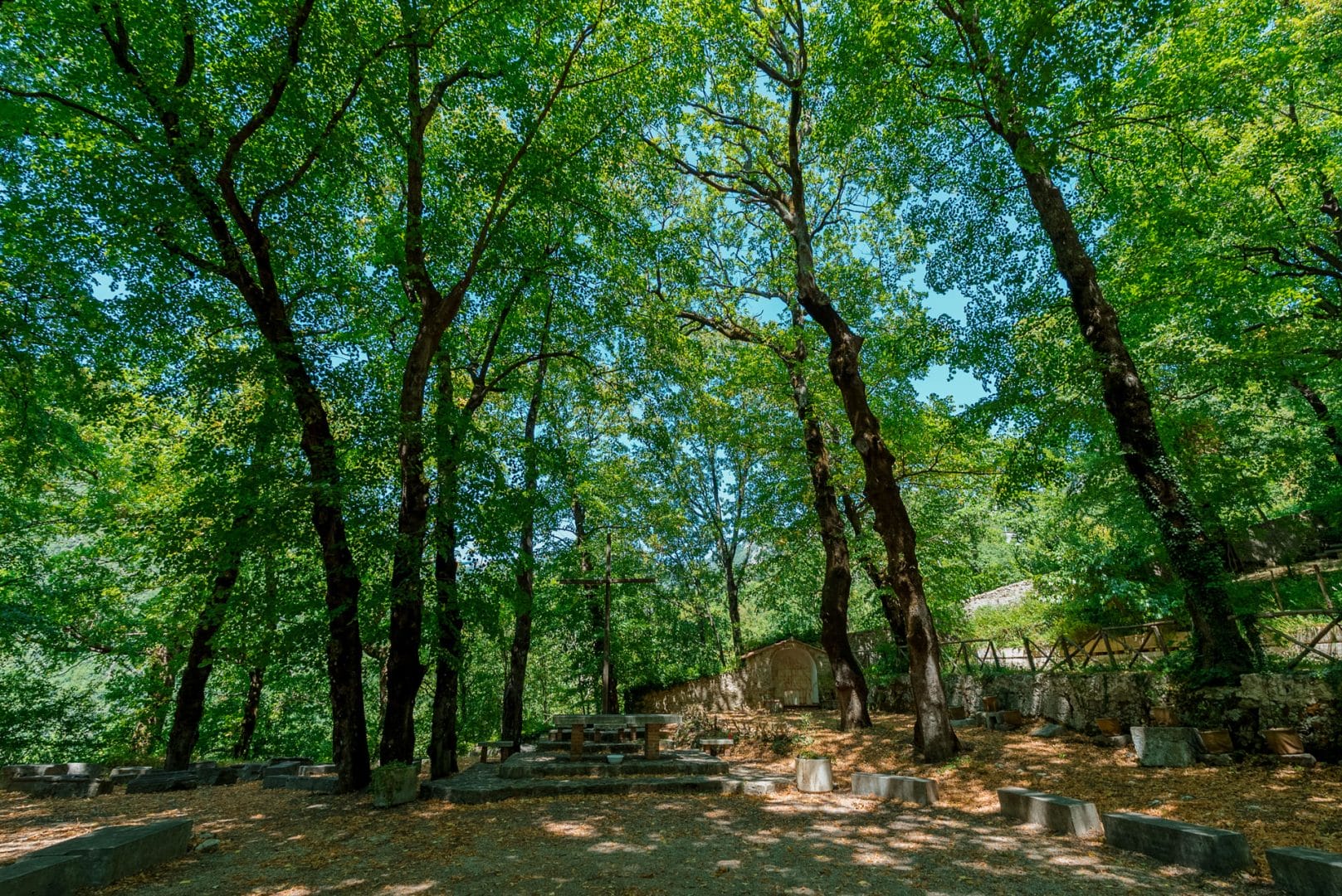
The sanctuary fits perfectly into the natural landscape of the Picentini Mountains: the chestnut and beech woods, streams and limestone rocks make it a place of balance between the work of man and divine creation. The stillness of the place and the constant sound of the wind in the trees make the visit a ’perfect' experience.’spiritual as well as aesthetic experience.
Declared asset of historical-artistic interest, the complex was restored several times after the earthquakes of 1930 and 1980, preserving its architectural authenticity and symbolic value for the entire community.
Today, the sanctuary is part of the Picentini Mountains Regional Park and continues to be a destination for pilgrims, hikers and scholars of Campania's religious heritage.
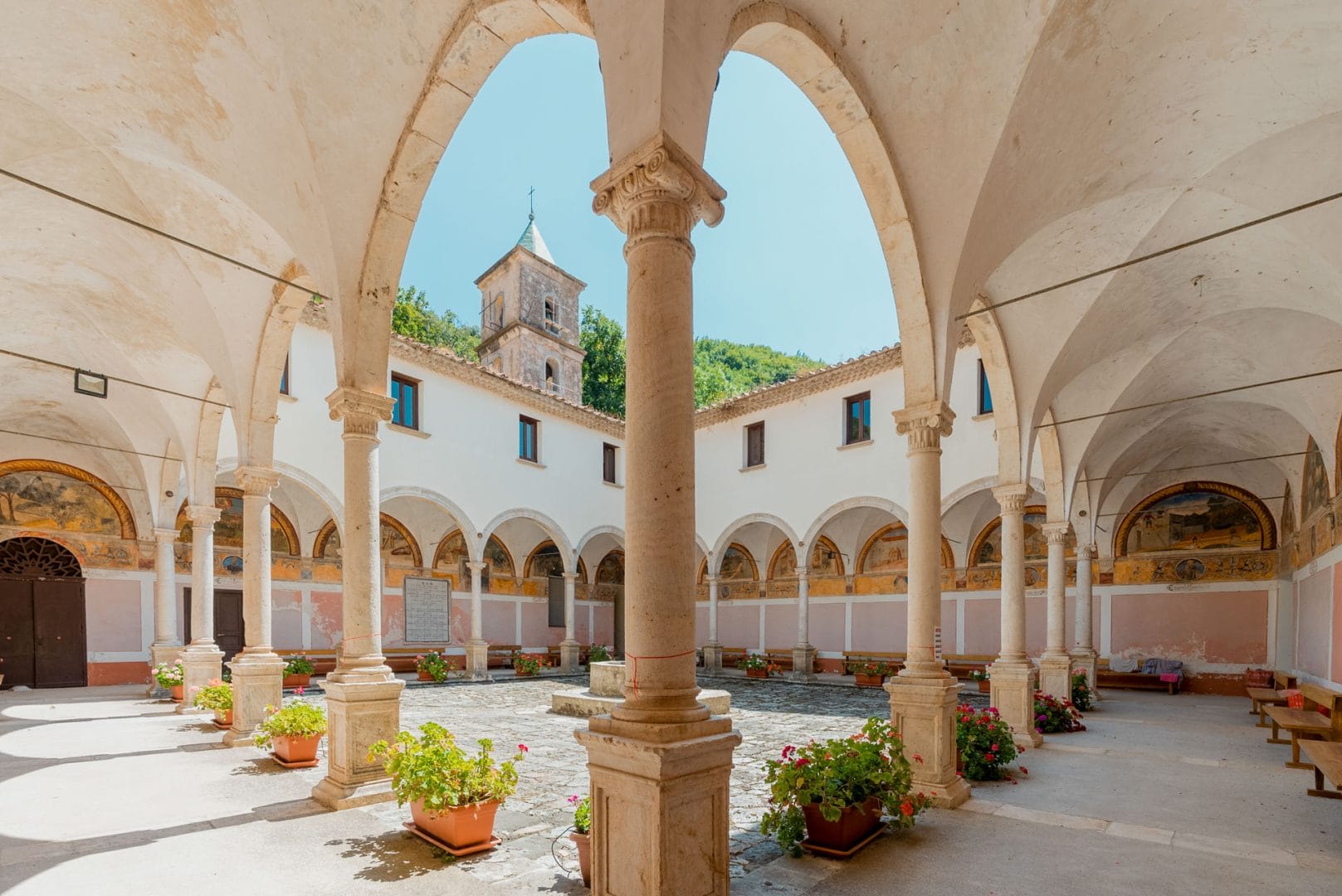
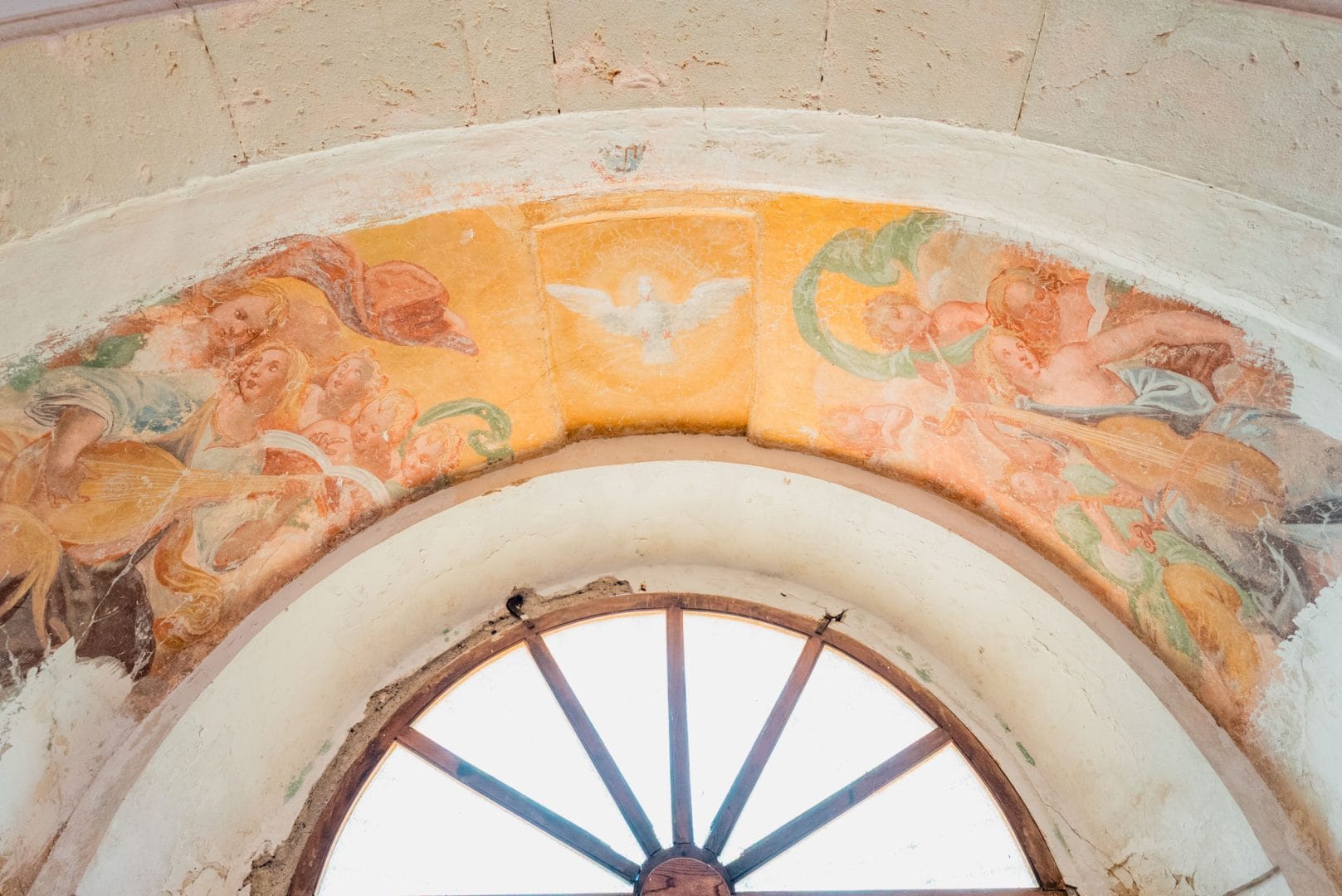

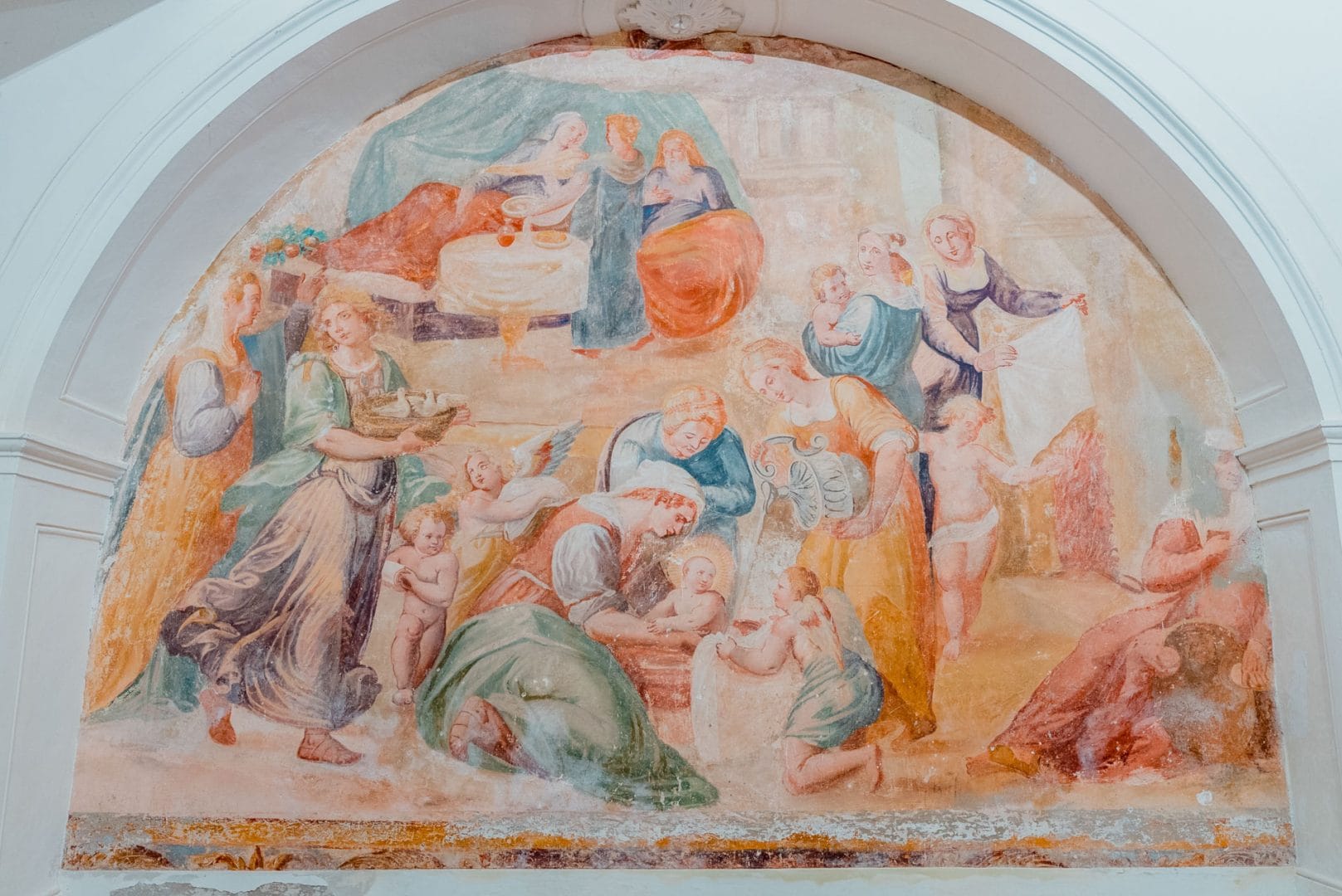
The origin of the building is unknown. According to a local legend[1], some merchants from Campagna visiting Avigliano in 1240 saw the statue of Our Lady of Graces kept there and worshipped it. Returning to their homes, they learned early in the morning that the statue had been miraculously found on an elder tree in the place where the church stands today. Having warned the people of Avigliano, it was returned. After a short time, the statue was found again on the same tree and, at that point, the people of Campagnano decided not to return it any more, building a chapel to it in the same year. In 1377, at the behest of Countess Isabella del Balzo d'Apia, the present convent complex was built by annexing the pre-existing church. Granted to the Conventual Franciscan friars, around 1440 it passed to the Observants, who were followed by works to enlarge the building: some works bear the date 1574, and the frescoes, 1575.
The origin of the building is unknown. According to a local legend[1], some merchants from Campagna visiting Avigliano in 1240 saw the statue of Our Lady of Graces kept there and worshipped it. Returning to their homes, they learned early in the morning that the statue had been miraculously found on an elder tree in the place where the church stands today. Having warned the people of Avigliano, it was returned. After a short time, the statue was found again on the same tree and, at that point, the people of Campagnano decided not to return it any more, building a chapel to it in the same year. In 1377, at the behest of Countess Isabella del Balzo