
In the heart of the historic centre of Campagna, along Corso Umberto I, the natural continuation of Palazzo Gibboni, overlooks Cubicciotti Palace, a stately residence probably built at the end of the 16th century. The palace, equipped with a beautiful façade and overall fine architecture, is part of a continuous sequence of aristocratic buildings that define the monumental face of the ancient main road axis.
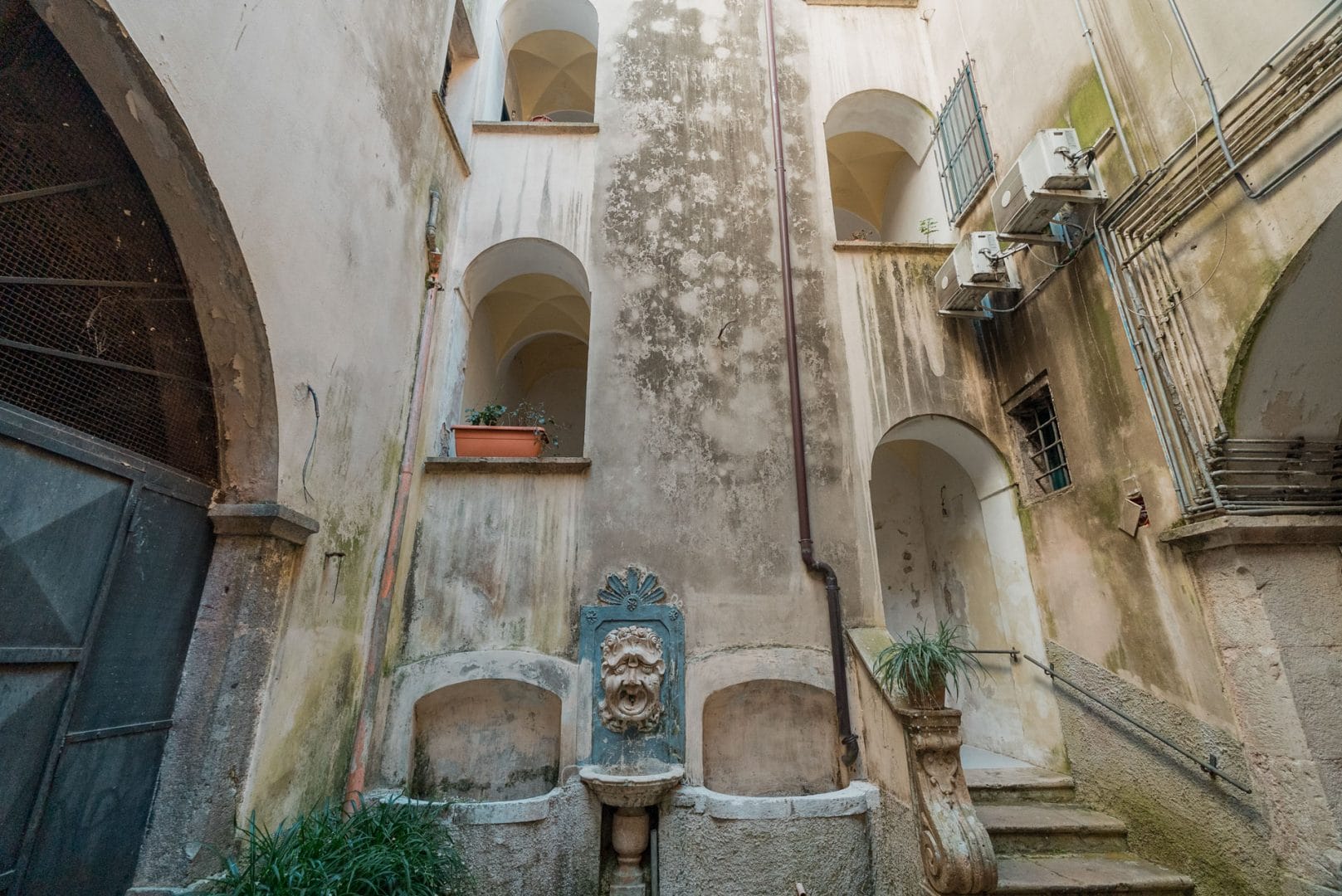
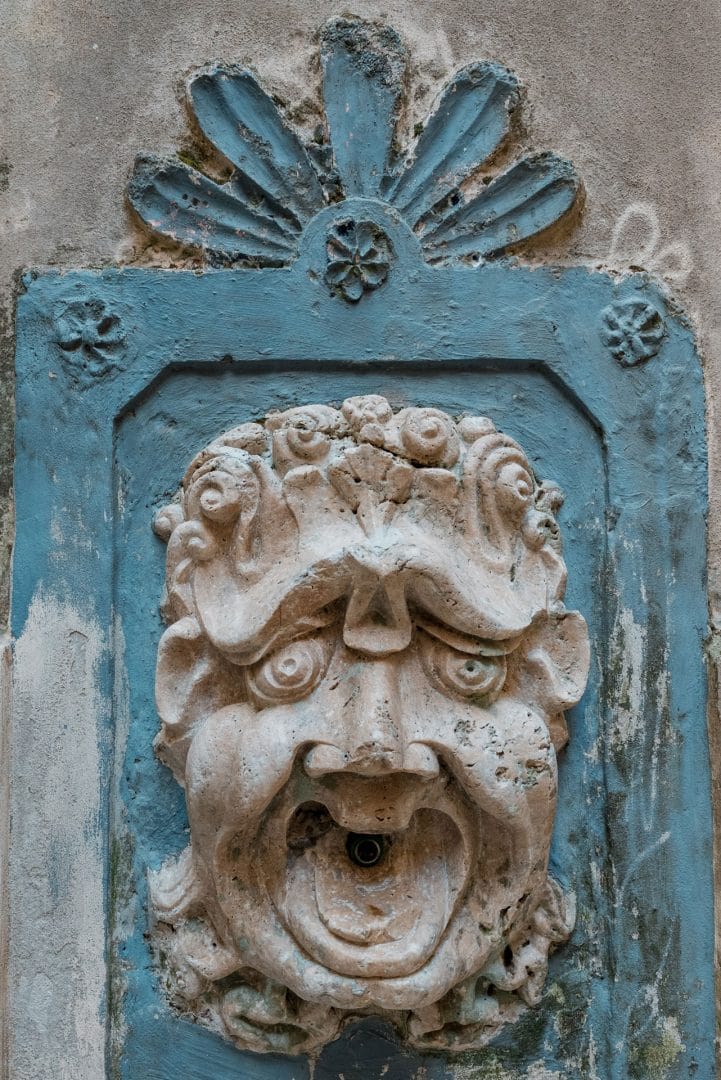
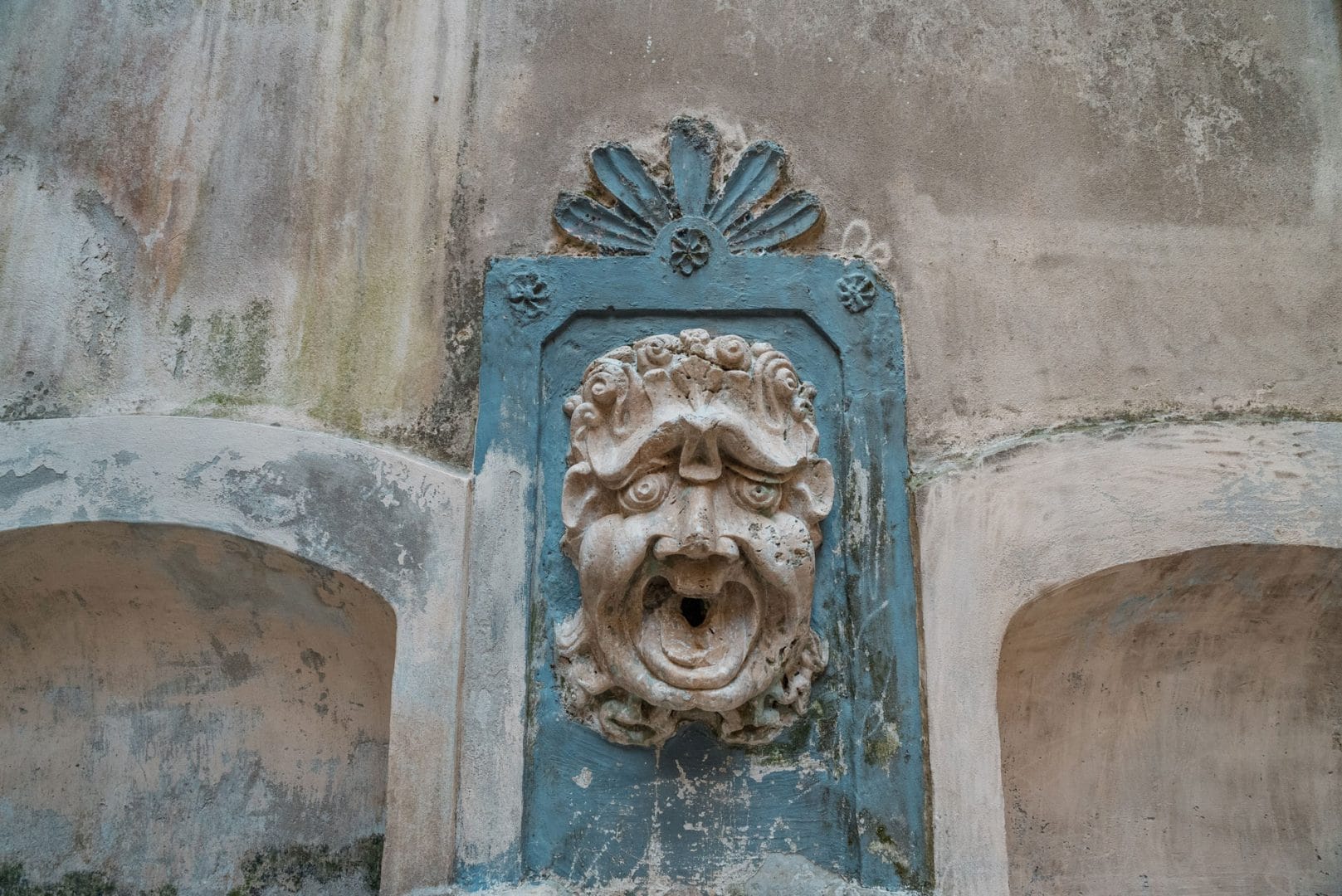
Distinctive element is the balcony elegant in pure Renaissance style, which stands out on the façade as the focal point of the composition. The elevation is completed by a imposing entrance portal, beyond which opens a very characteristic atrium, embellished with a fountain that runs along the stairs leading to the upper floors. This interplay of levels, water and stone accompanies the visitor on a route from the public street to the private rooms of the mansion.
The structure, which belonged to the noble Cubicciotti family, long-lived in the history of Campagna, has often hosted major events and still lends itself to cultural events, exhibitions and initiatives related to the enhancement of the historic centre. The presence of such well-kept architecture along Corso Umberto I contributes to making this part of the city a kind of “urban living room”, where palaces, portals and balconies tell the story of the families that have marked its destiny.
Sources collected by the City of Countryside ETS association recall how the structure has long been of property of the noble Cubicciotti family, described as long-lived in the town's history. The presence of such a prestigious palace on Corso Umberto I testifies to the leading role played by the family in the social and economic context of the Campagna region in the modern age.
As with other local noble families, in the case of the Cubicciotti family the city palace represented not only a place of residence, but also a representation spaceA well-kept façade, a Renaissance balcony and a monumental portal meant visually declaring one's status to the community. The atrium with its fountain and staircase, designed to welcome guests and visitors, completed this symbolic function.
Over the course of time, Palazzo Cubicciotti has continued to play an important civic role, hosting events and initiatives that have made it a landmark in the city's cultural life. In recent years, for example, the palace has been included among the stages of the food and wine and cultural route “Gates, Skein & Sound”during which the courtyards and hallways of historic buildings come alive again with tastings, music and art installations.
This continuity of use, from noble residence to contemporary cultural functions, confirms the palace's vocation as a a place that is open and in dialogue with the city, capable of renewing in the present the prestige gained over the centuries.
Architecturally, Palazzo Cubicciotti is distinguished by the’balance between façade and interior spaces. The front on Corso Umberto I, the natural continuation of Palazzo Gibboni, presents a sober but refined language, in which the Renaissance balcony and the entrance portal are the most prominent elements. The proportions of the openings and the attention to detail place the palace in the architectural season between the mature Renaissance and early Baroque instances.
Beyond the threshold, the atrium reveals itself as a space with a strong character: the fountain flanking the stairs introduces an element of water that lightens the wall mass and accompanies the path to the upper floors. It is an environment in which function and representation intertwine, offering light, ventilation and at the same time a setting designed for those who enter.
Its location along Corso Umberto I, the main artery of the historic centre, allows the building to dialogue with other noble buildings such as Palazzo Gibboni and Palazzo Campanino, composing a unified itinerary to discover the civil architecture of Campagnese between the 16th and 18th centuries. Walking along the Corso, the sequence of portals, balconies and entrance halls makes one perceive with immediacy the role the local nobility played in shaping the town.
On the occasion of events and exhibitions, the spaces of Palazzo Cubicciotti become the natural extension of the street: the flow of visitors crosses the main door, passes through the atrium and is distributed among the stairways and interior rooms, restoring to the palace that function as a place of meeting and exchange that has long characterised the life of stately residences in the centre of Campagna.