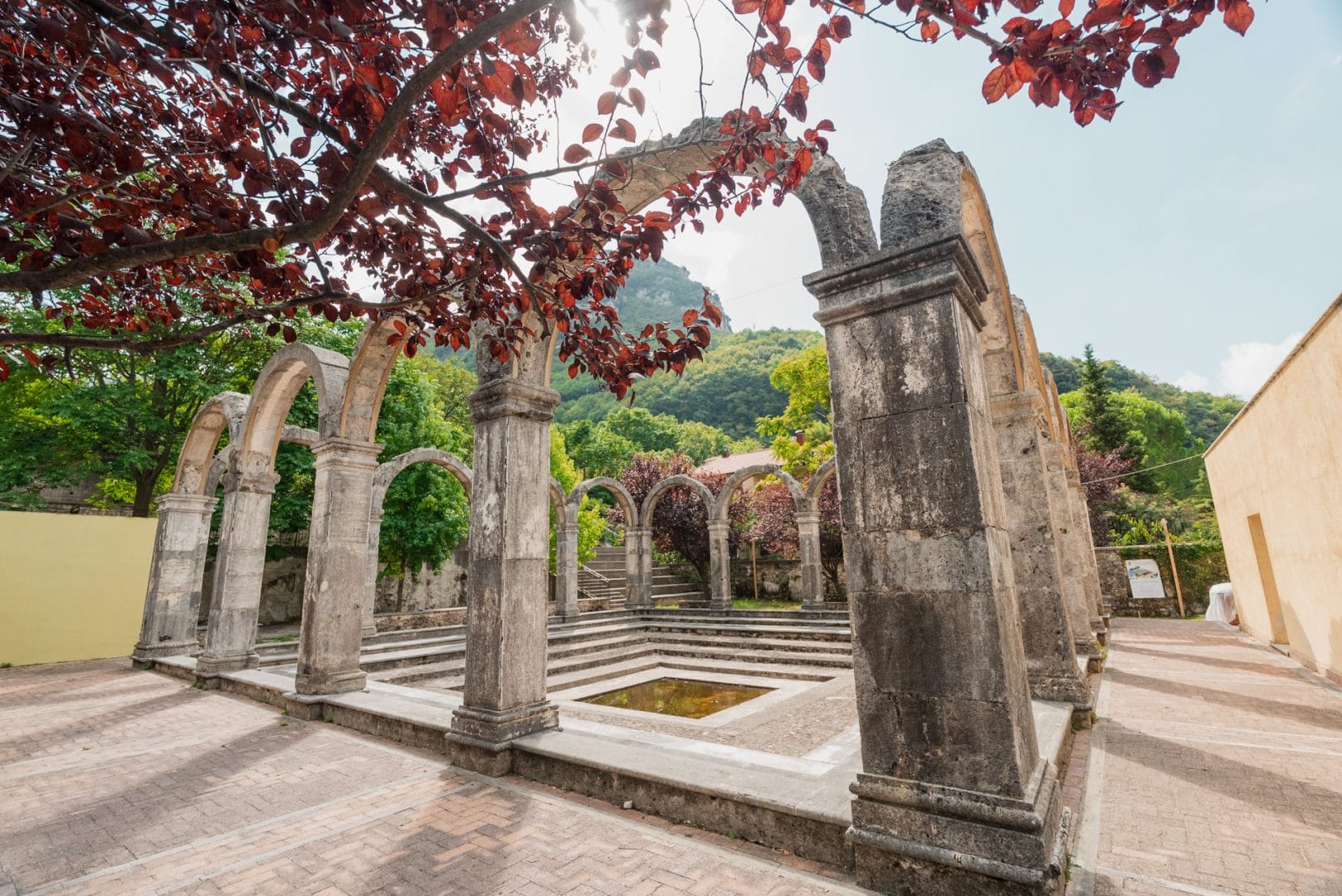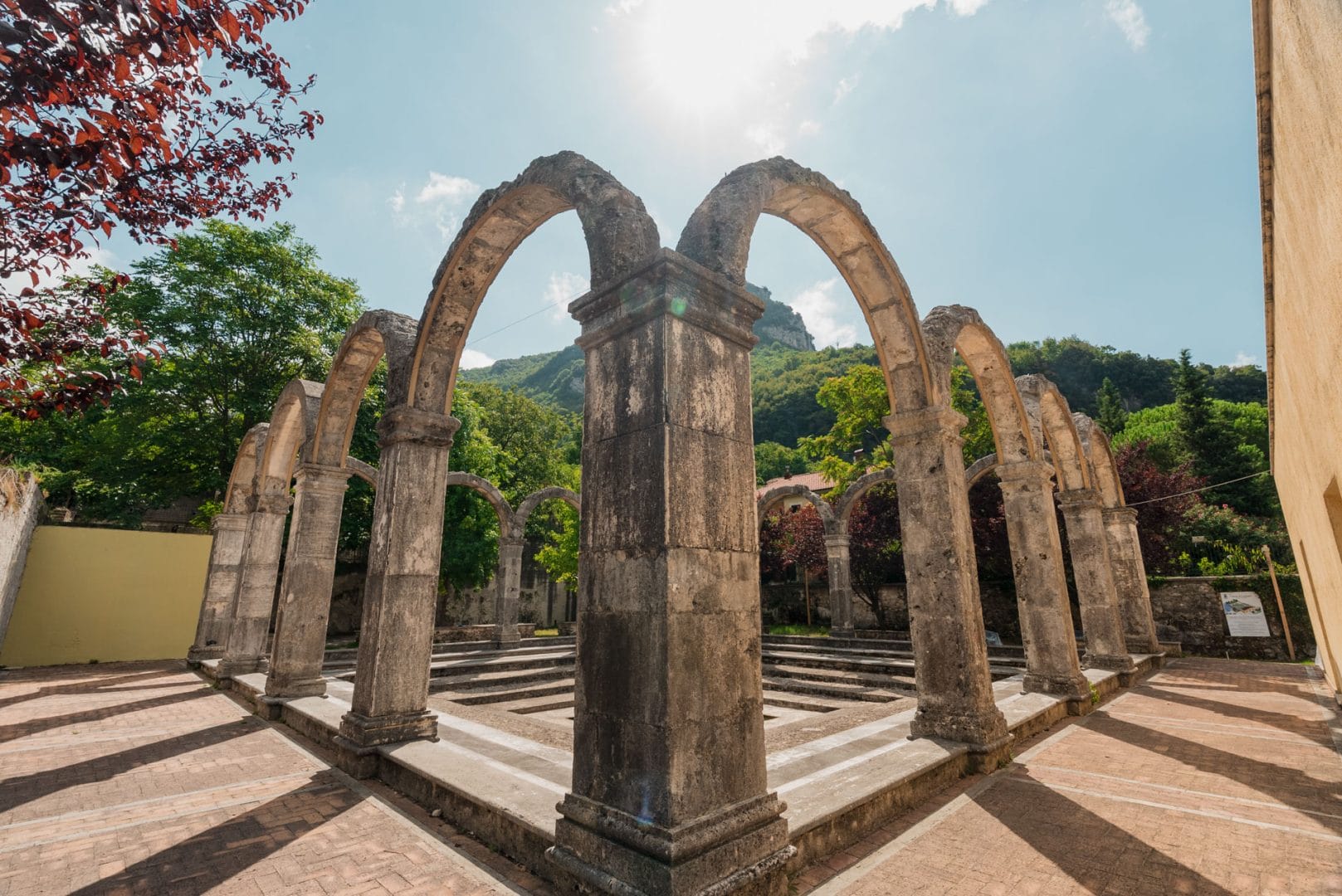

The Monastery of the Friars Minor of the Conception stands in the upper part of Campagna, in the district that still bears the name of Conception.
Its foundation dates back to 2 April 1594, when the’Archbishop Monsignor Guarnieri laid the foundation stone of a building for the Observant Friars Minor. The work, completed around 1616, was dedicated to the’Immaculate Conception, becoming a spiritual and cultural reference point for the entire city community for centuries.
The choice of location was not accidental: the area, located outside the town centre, complied with the rules of insulation required by the religious communities of the time and was strategically located along the route to the Shrine of Our Lady of Avigliano.
Around a pre-existing chapel dedicated to Saint Anthony, thus arose a large complex with cloister, prayer spaces, study rooms and a precious library, which was a centre of theological and cultural education for more than two centuries.
The unstable terrain, however, has always marked the history of the monastery: the clay hill on which it was built has generated landslides and mudslides over the centuries, repeatedly compromising the stability of the entire complex and causing repeated consolidation work.
The layout of the monastery reflects the typical model of conventual buildings of the Franciscan order: a simple plan, organised around the cloister, with the church and community rooms facing the inner courtyard, a symbol of balance and recollection.
The architectural intonation is sober, consistent with the Franciscan spirit, and the harmonious lines recall the measure and composure of the religious complexes of the late 16th century.
During the 17th and 18th centuries, the monastery became one of the main spiritual centres, known for its library and the preaching activities of the friars.
However, with the Napoleonic suppression of religious orders (1807), the community was dispersed: part of the structure was requisitioned as barracks, books and documents were largely lost.
The decline was aggravated by the geological conditions of the site, which made any attempt at restoration or stable reuse over time difficult.
Already in the first decades of the 19th century, the local authorities reported serious problems with static conditions: in the 1818 the soldiers occupying the former convent asked to be transferred to the bishop's seminary because of the danger of collapse.
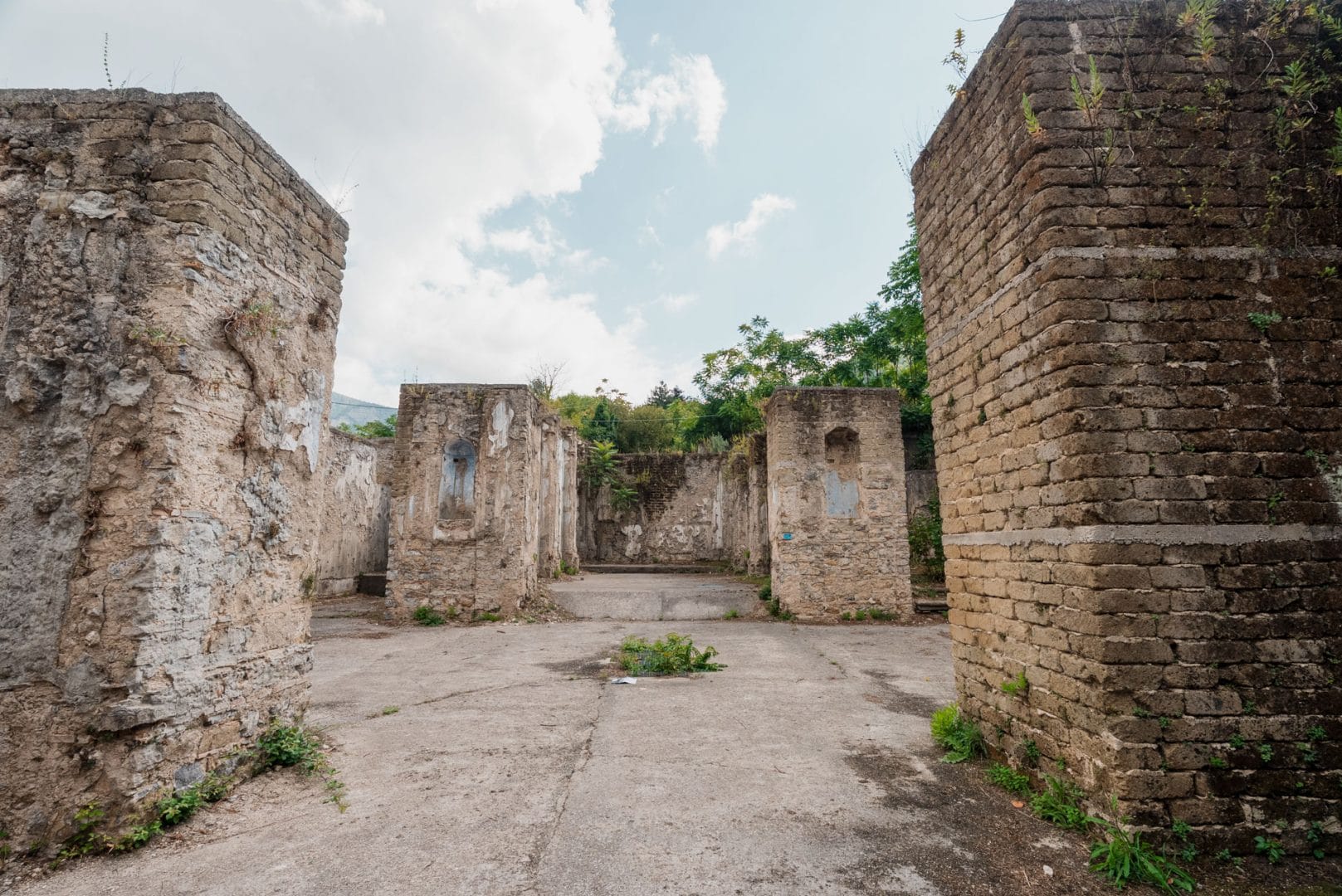
In the following centuries, abandonment and landslides continued to threaten the building, until most of the rooms were rendered unfit for use. A technical report of 23 May 1962 confirmed the “total unreliability of the site” for sustainable building recovery.
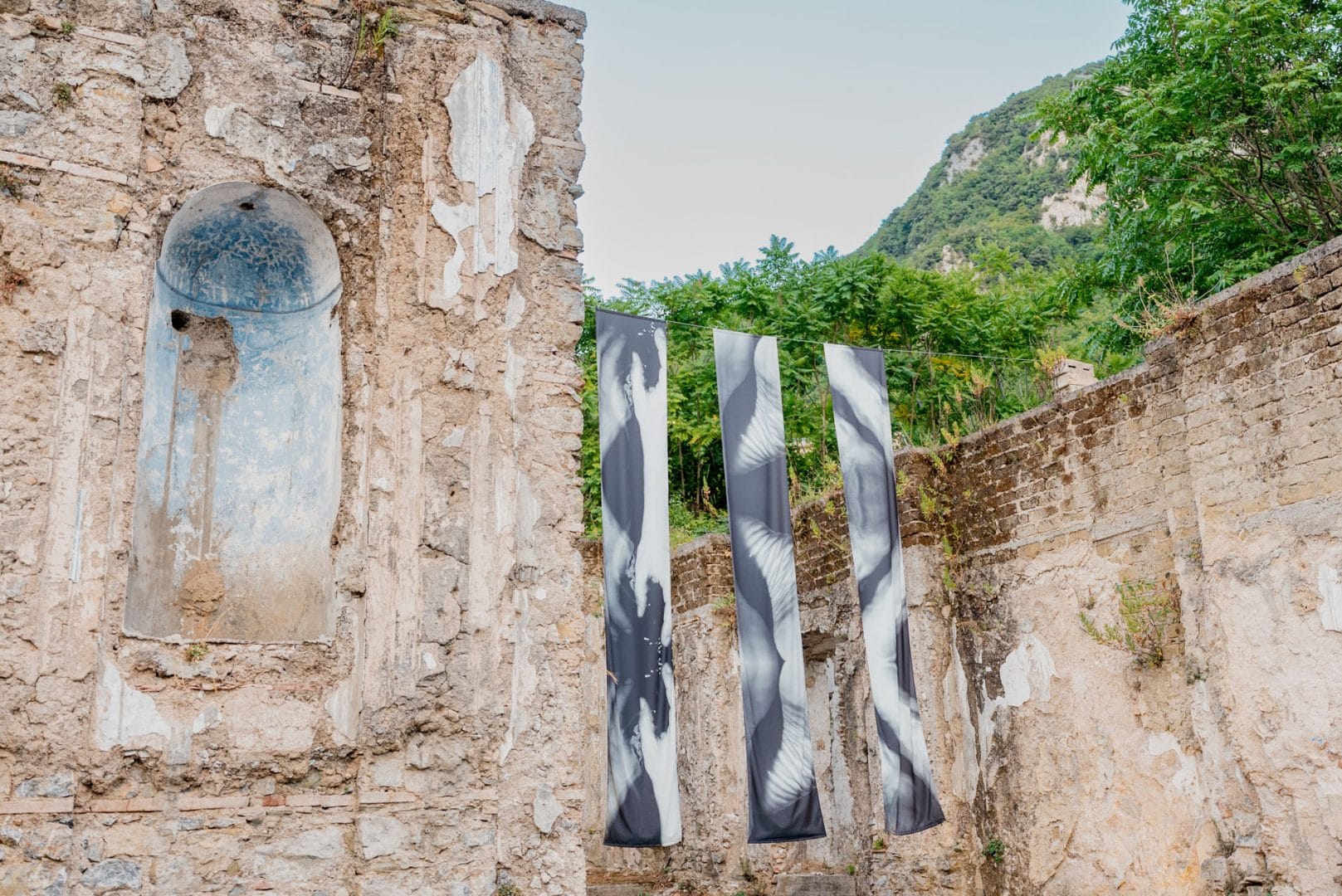
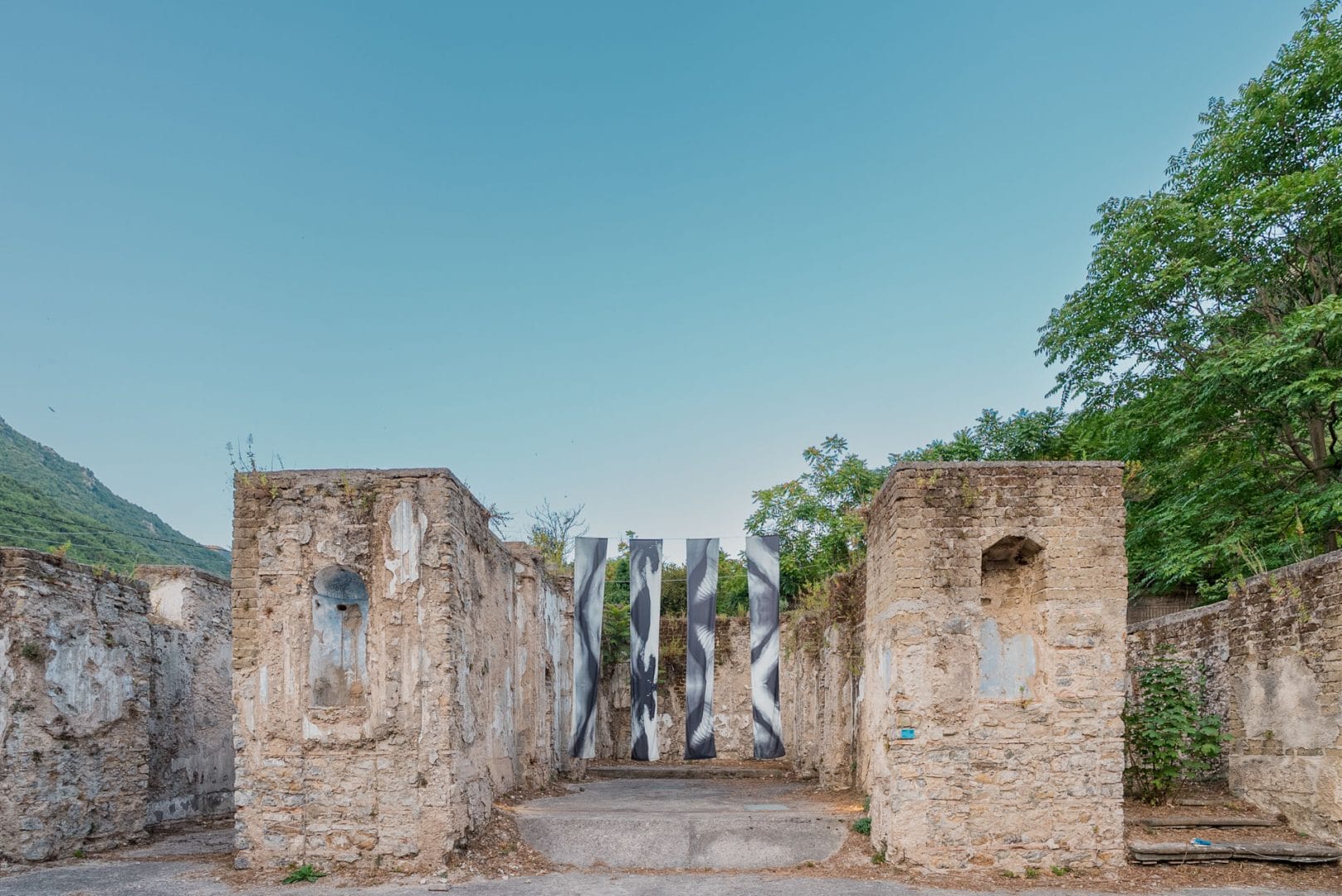
In 1987 the collapse of the retaining wall caused a new collapse, reducing the complex to the state of ruin.
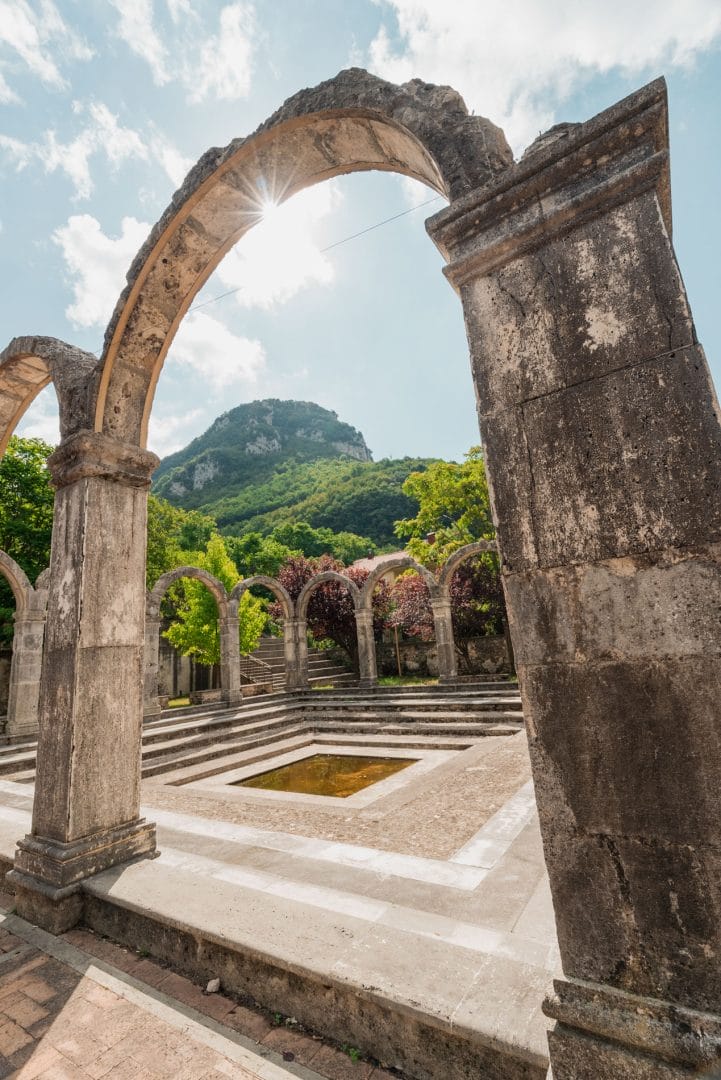
Despite this, the area retains a strong symbolic and identity value for Campagna: between the surviving arches and stone walls, cultural activities and social gatherings are sometimes held, restoring a community function to the place, albeit different from the original one.
Today, the Conception monastery represents a living memory of Campagna's religious and civil history: a place where the fragility of the terrain and the tenacity of faith come together, telling the long story of a community capable of resisting time and transformation.