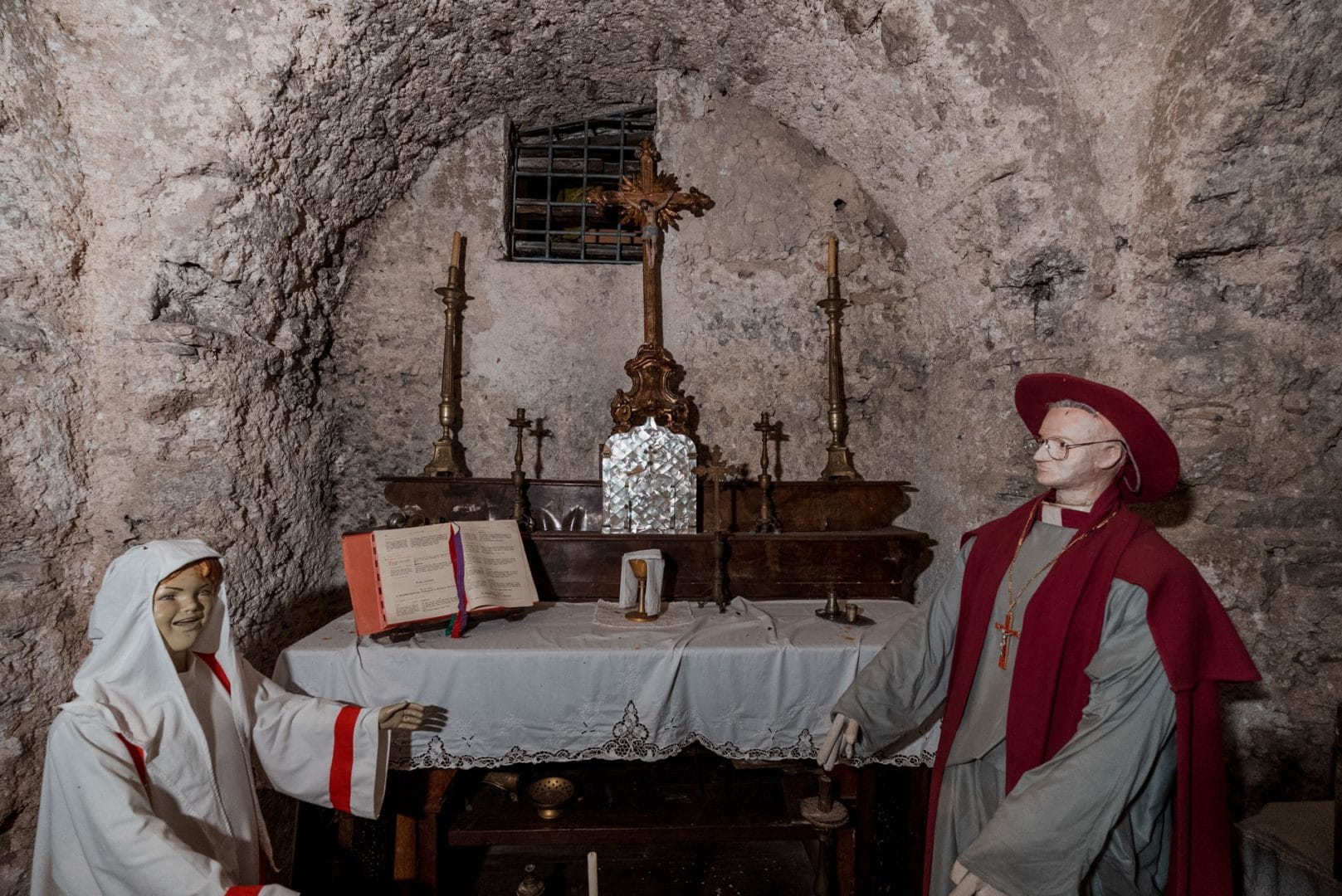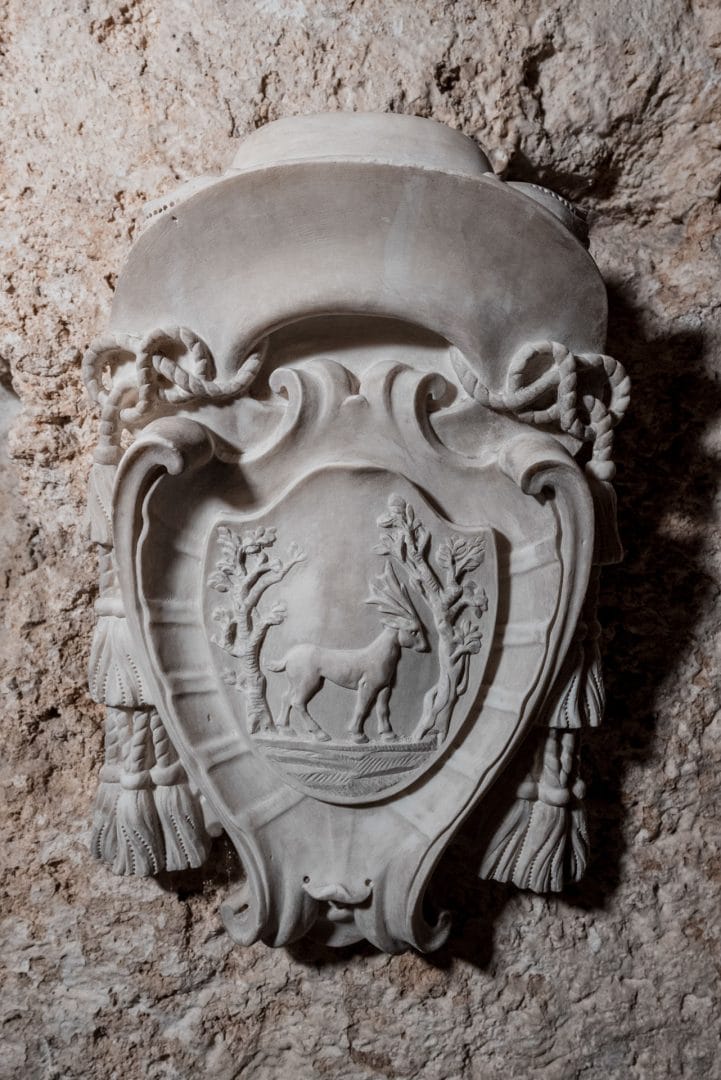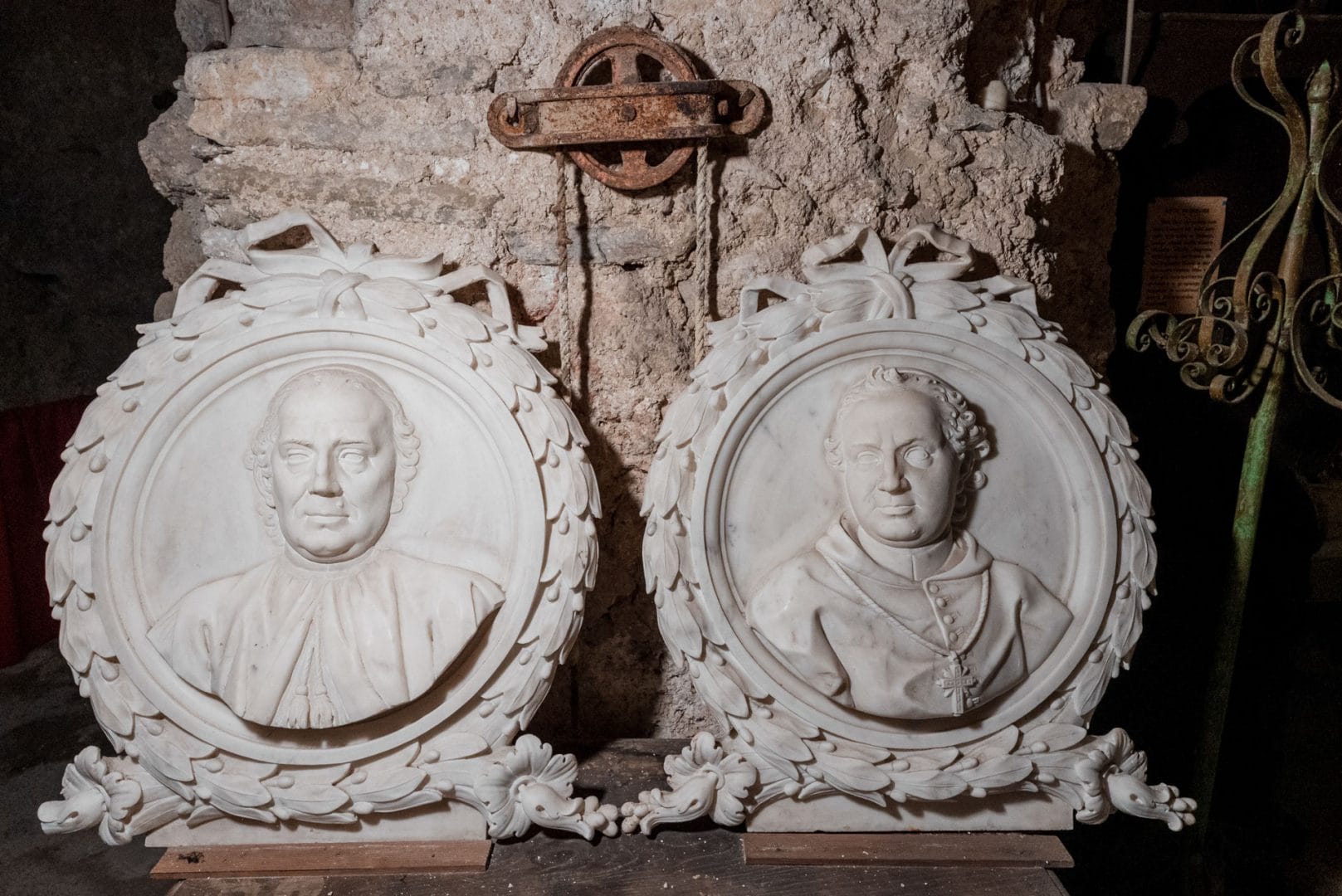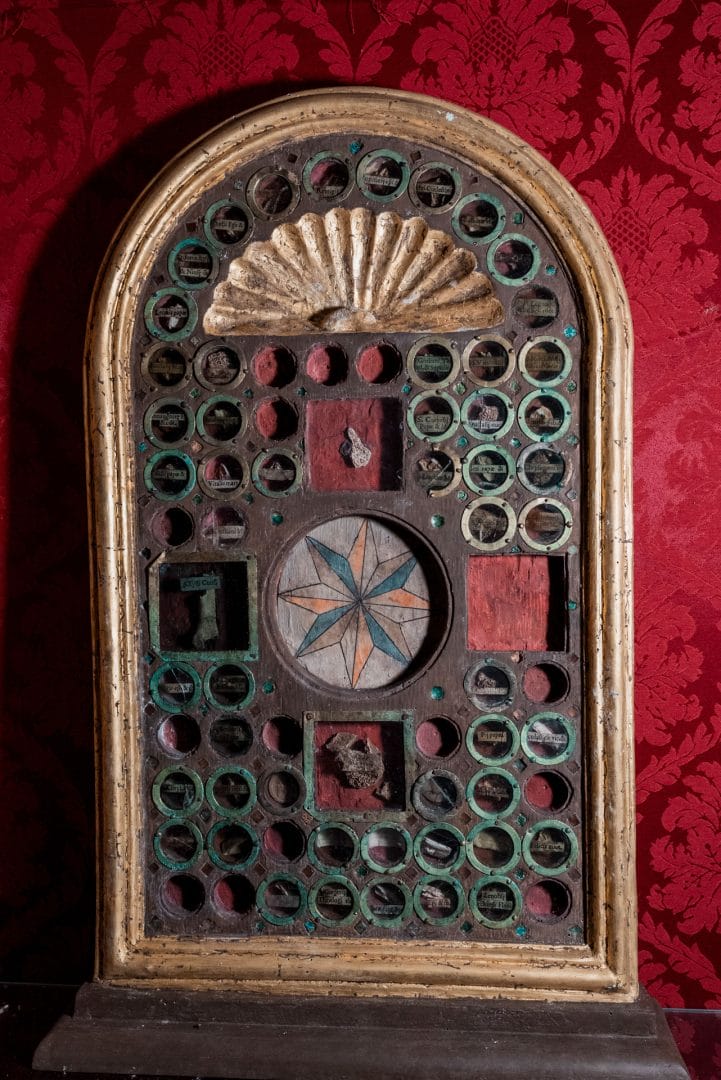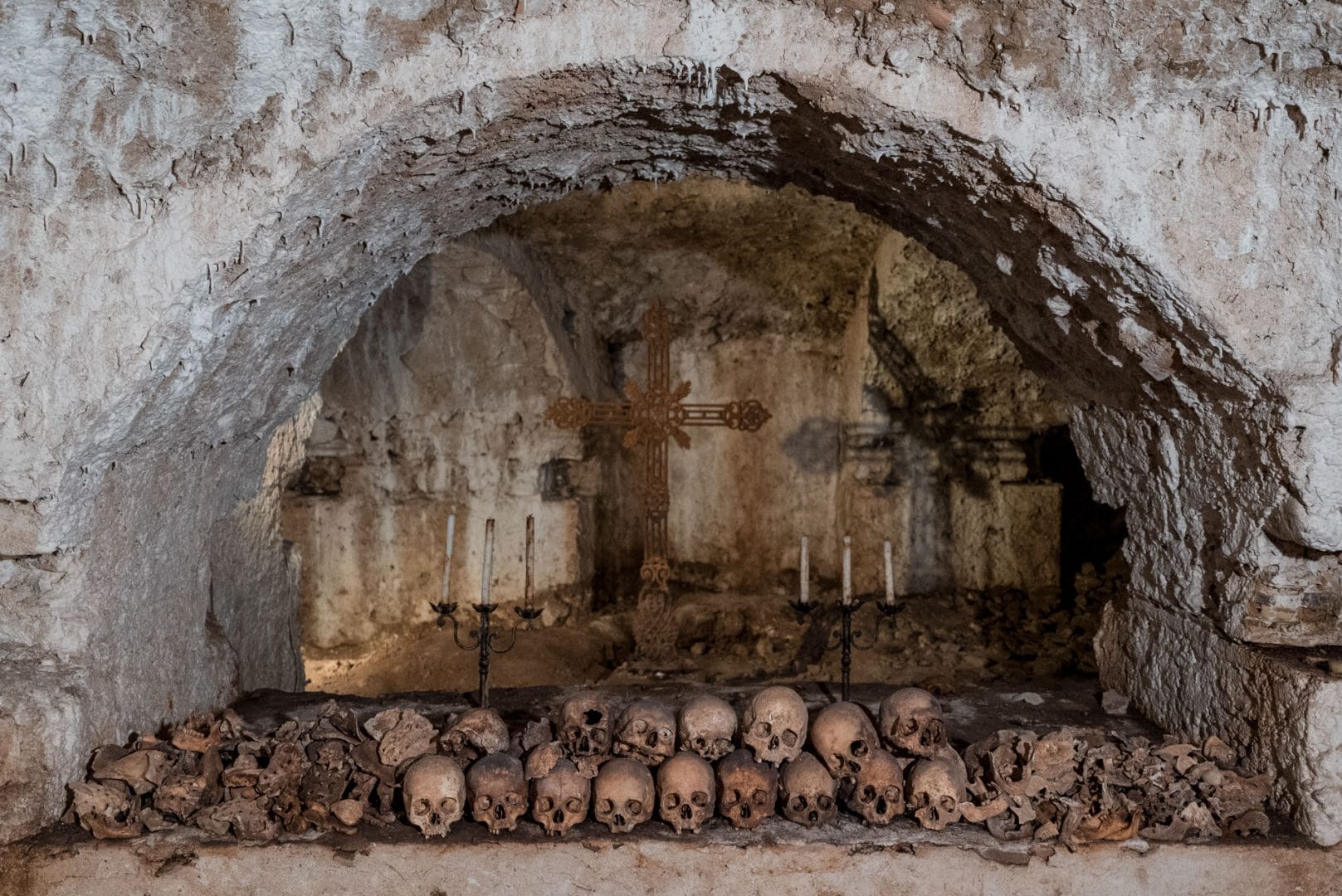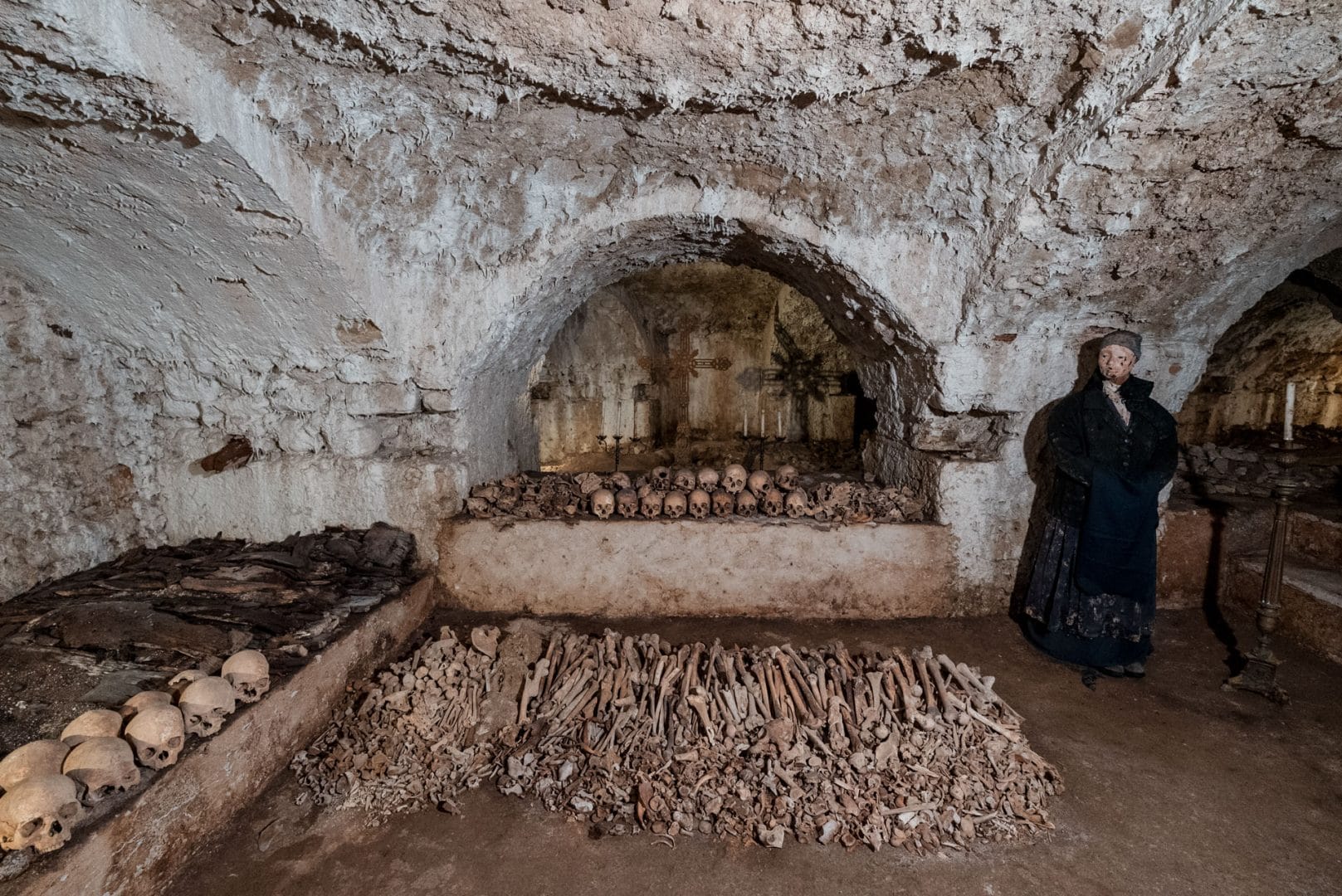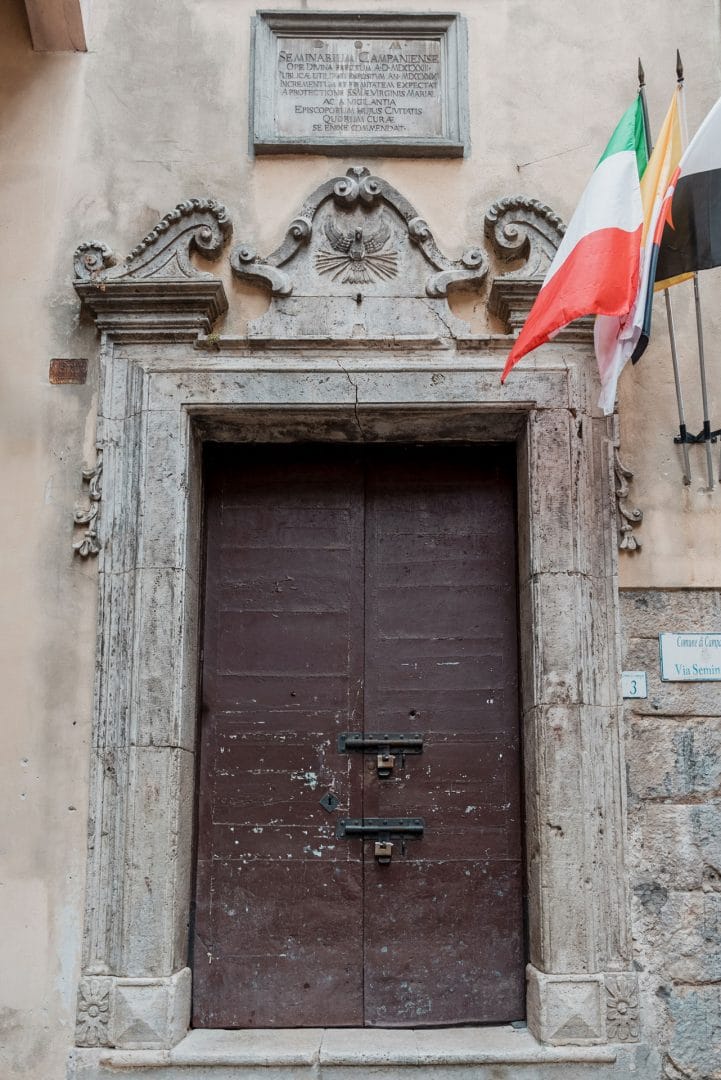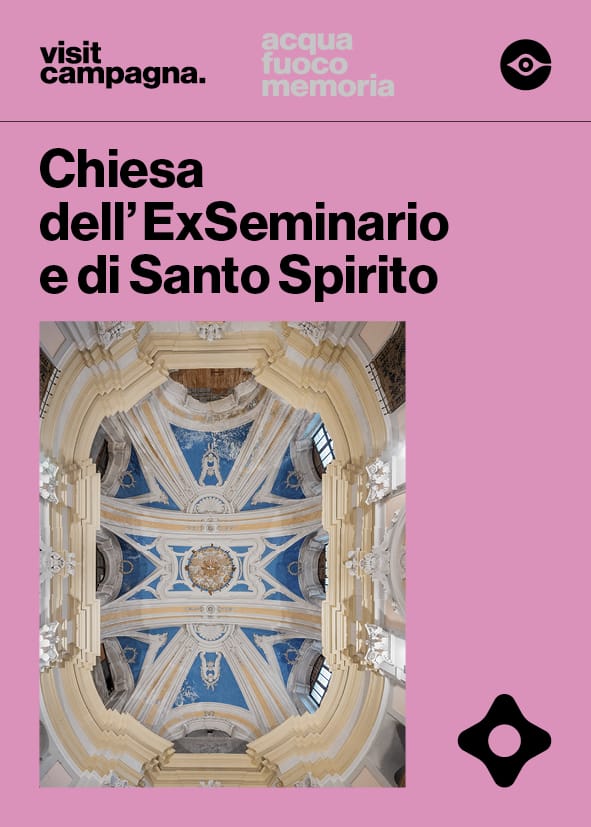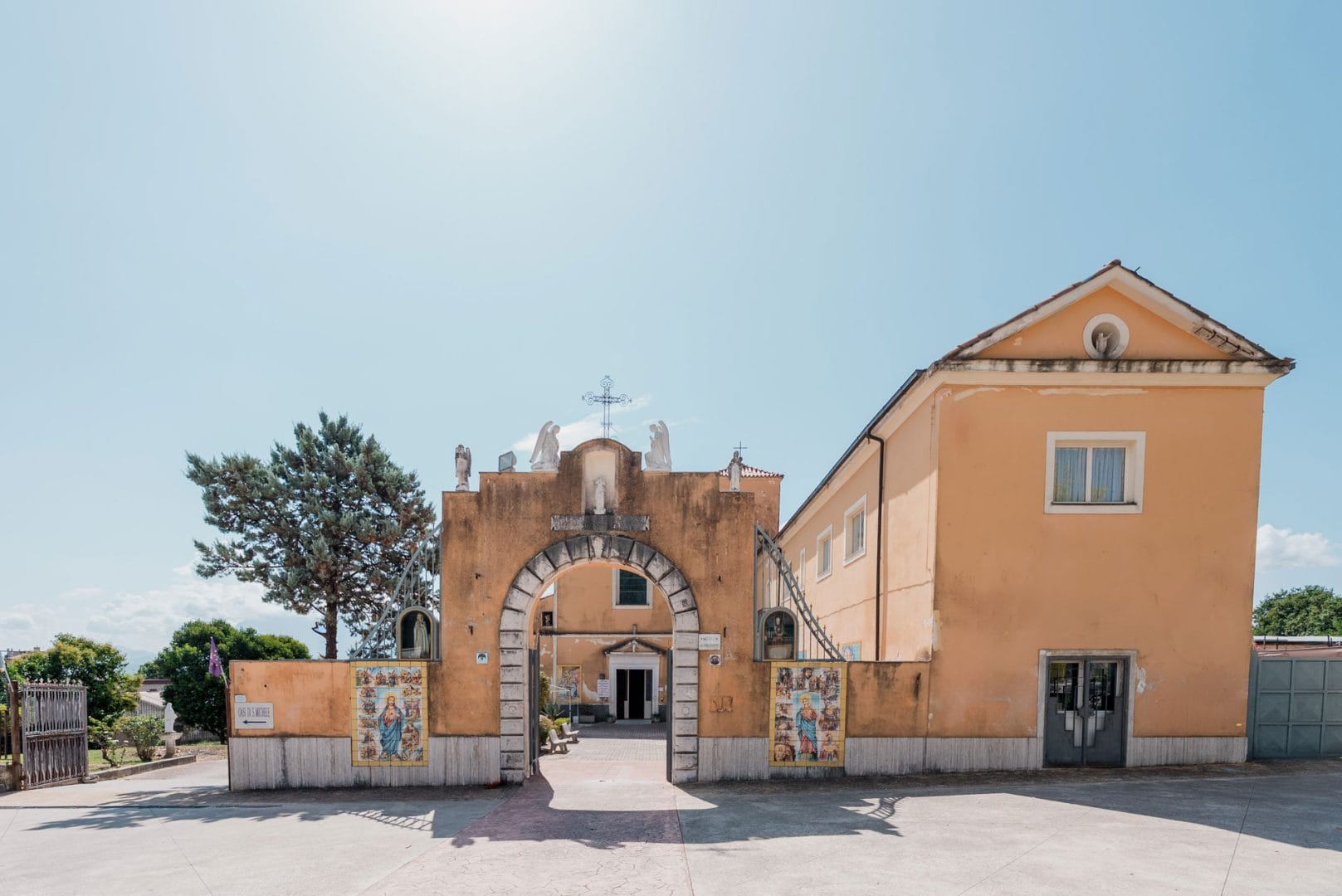

In the heart of the neighbourhood Seminar, behind the current Market Square, is one of the most important and fascinating complexes in the ecclesiastical history of Campagna: the Former Seminary and the Church of Santo Spirito.
The architectural ensemble, which today houses the Diocesan Library and cultural spaces, it represents the stratification of more than three centuries of religious, educational and civic life.
Its origins date back to the 16th century, when the noble and benefactor Melchiorre Guerriero earmarked a substantial sum for the foundation of a monastery of Clarisse, dedicated to the SS. Trinity, to welcome and educate the city's young women.
Over time, the changing needs of the diocese and the Church's reform drive led to the transformation of the former convent into seminar, central institution for the training of clergy.
The 21 December 1722 a papal bull officially established the Diocesan Seminary of Campagna, which quickly became a centre of religious and humanistic culture.
Within it, they studied Latin, Greek, philosophy, mathematics, theology and even scientific disciplines, testifying to the cultural openness promoted by the reforming bishops of the 18th century.
In 1750, by the will of the bishop Angelo Anzani, the seminary was relocated to the premises of the former monastery of Holy Spirit, adapted as a permanent seat for ecclesiastical studies.
In 1770, the bishop Irons consecrated the new church dedicated to the Holy Spirit, erected on the site of the ancient Church of the Holy Trinity. Since then, the complex took on the appearance that, despite restoration and changes, has survived to the present day.
The ancient monastery of Clarisse, by Melchiorre Guerriero in the 1525, stood on the edge of the then city walls, in a quiet area but close to city life.
The endowment guaranteed its activity for centuries, but it was the 18th century ecclesiastical reform to change its destination.
With the foundation of the Seminar, the complex became a training centre for the young clerics and a cultural reference point for the entire countryside.
Chronicles attest that chairs were opened in the seminary in Latin, Greek, Hebrew, philosophy and moral theology, and that lessons were also introduced in mathematics and astronomy, rare disciplines for a provincial centre.
La library counted hundreds of volumes, many from donations by bishops and canons.
The students lived within the complex under a community regime, alternating study and prayer, according to the rule of St Charles Borromeo, educational model for seminaries in the Kingdom of Naples.
The Countryside Seminary became a place of clergy training and cultural preparation for generations of young people in the Sele Valley, maintaining this function until the second half of the 20th century.
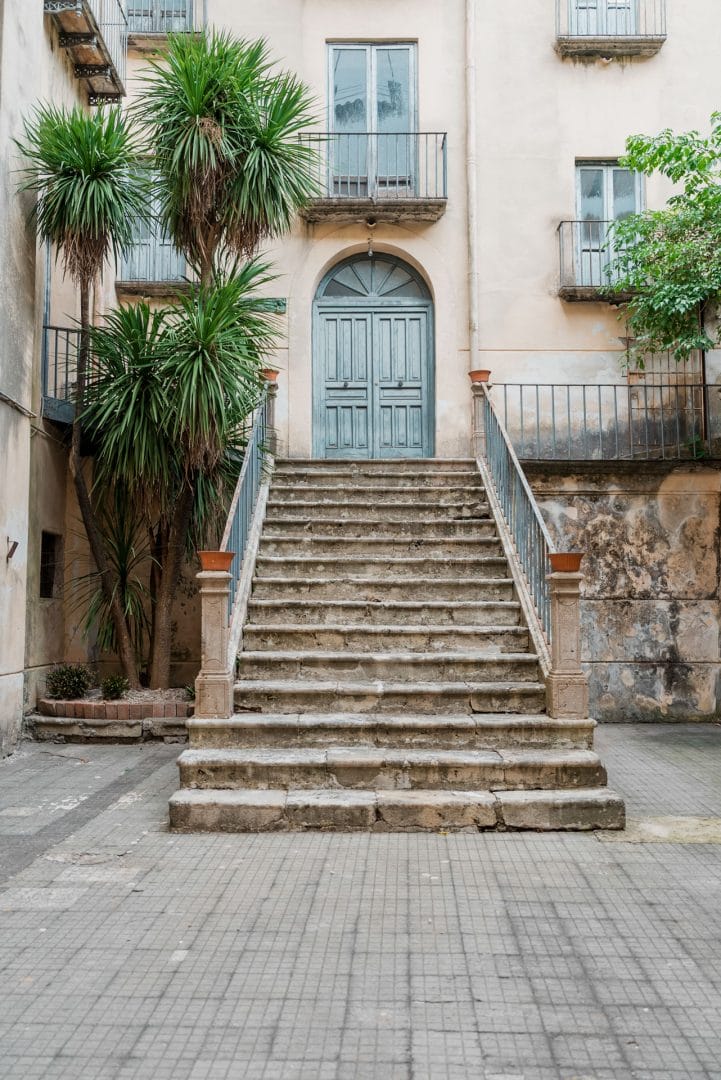
The building of the’Former Seminary is a multi-level complex, characterised by a sober façade and a’imposing access staircase stone built in 1834 at the behest of the bishop Pellini.
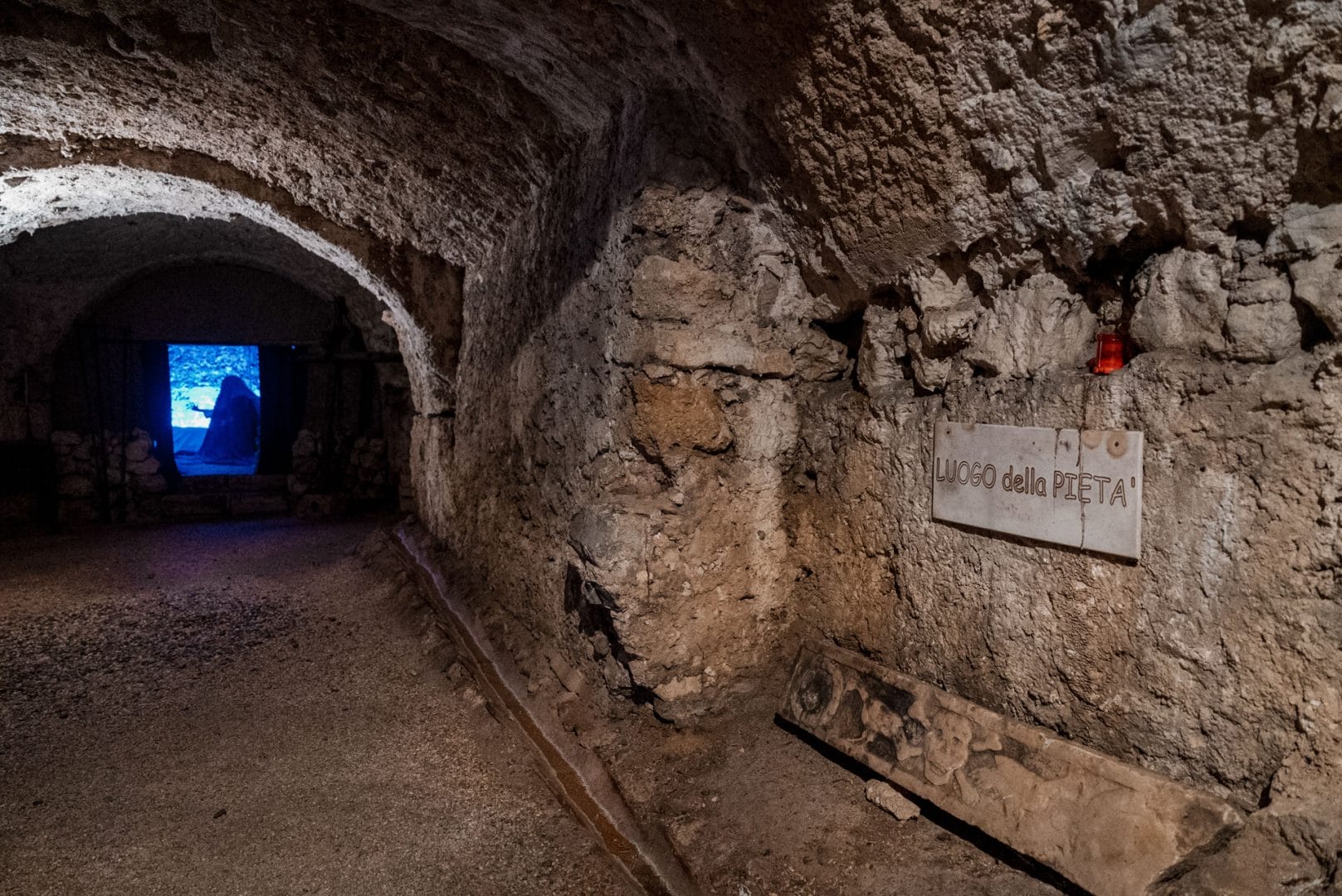
Inside are vaulted environments, corridors and study rooms that testify to its former teaching function.
The floor plan, with inner courtyard and large windows, reflects the convent architectural models of the 18th century Campania.
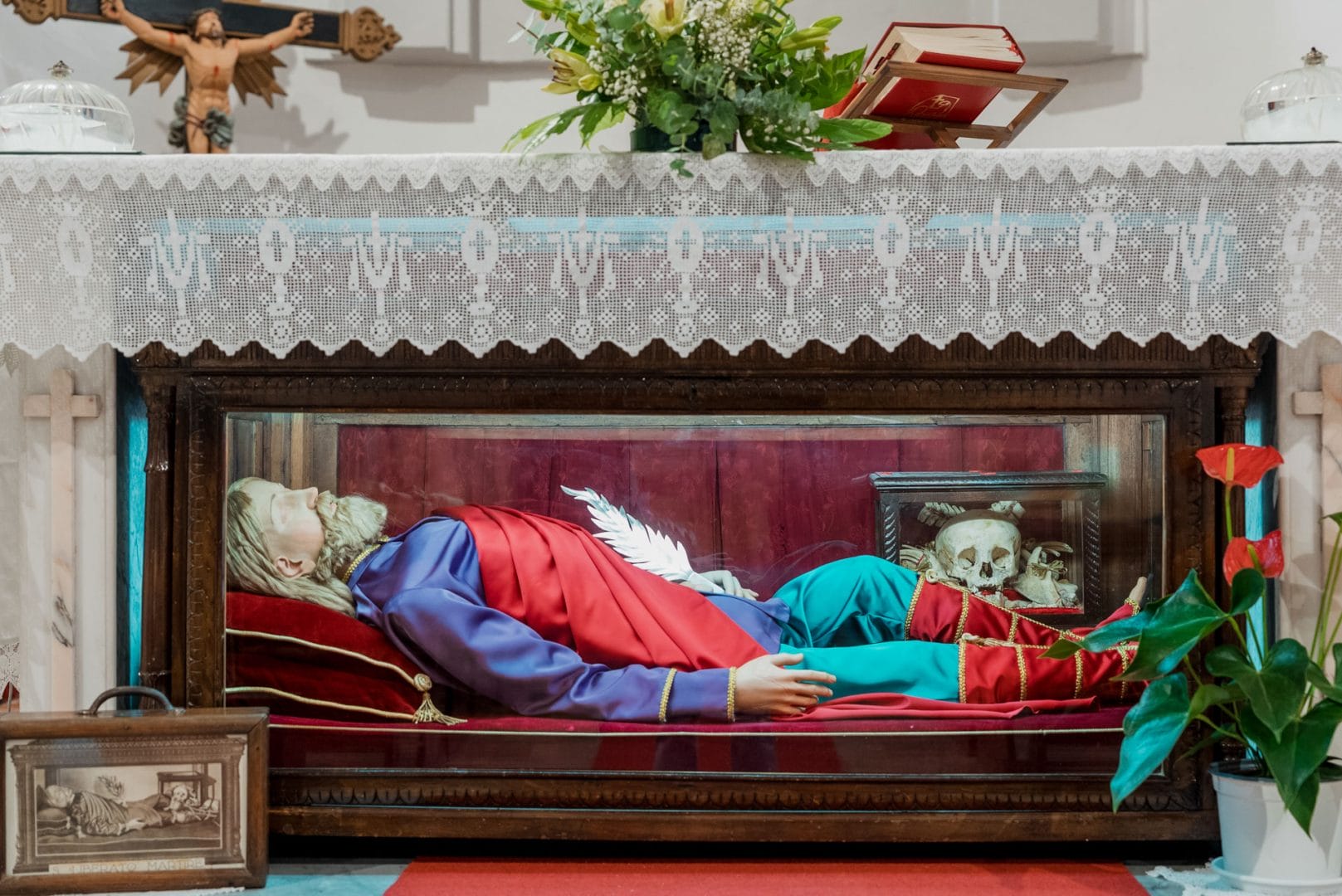
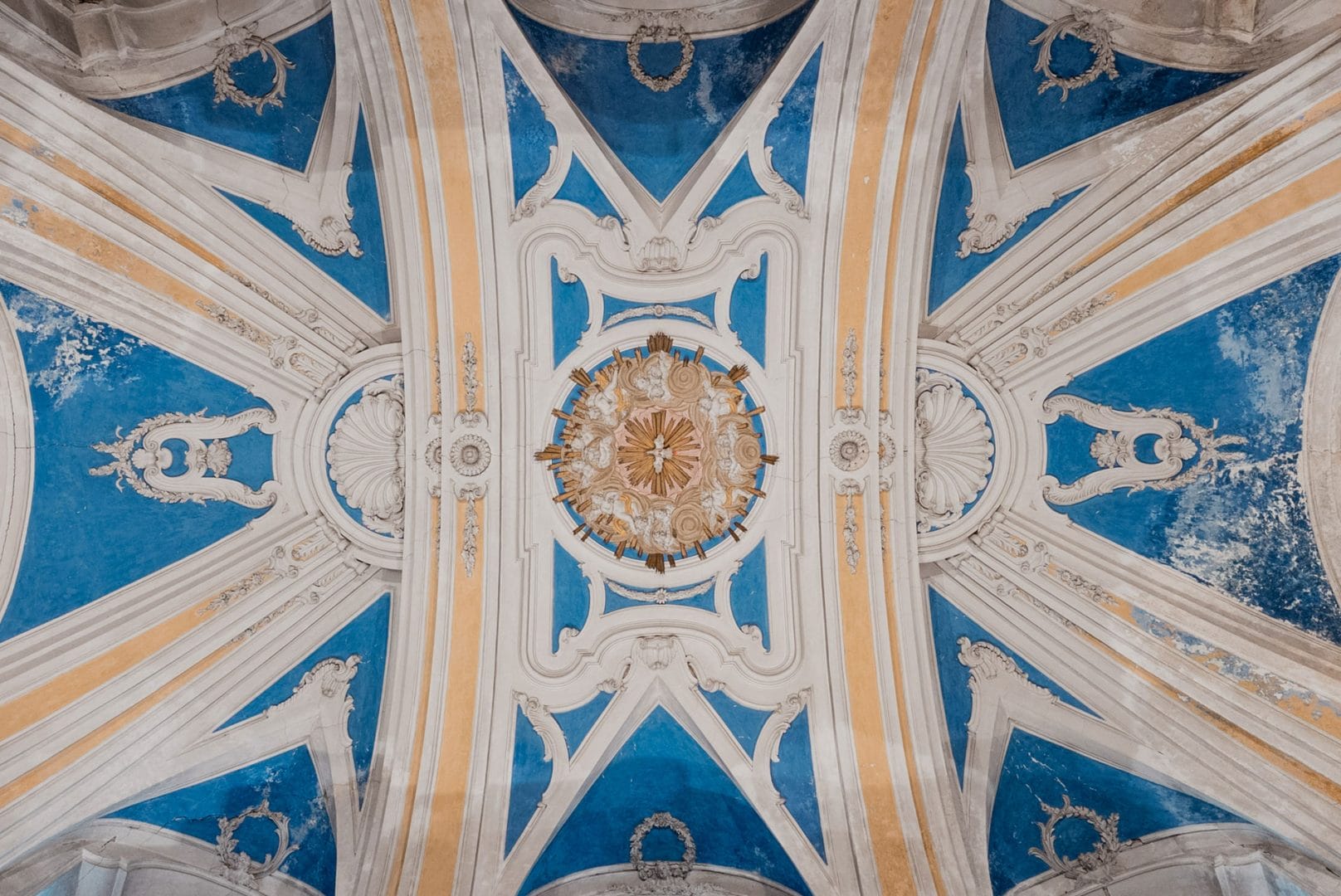
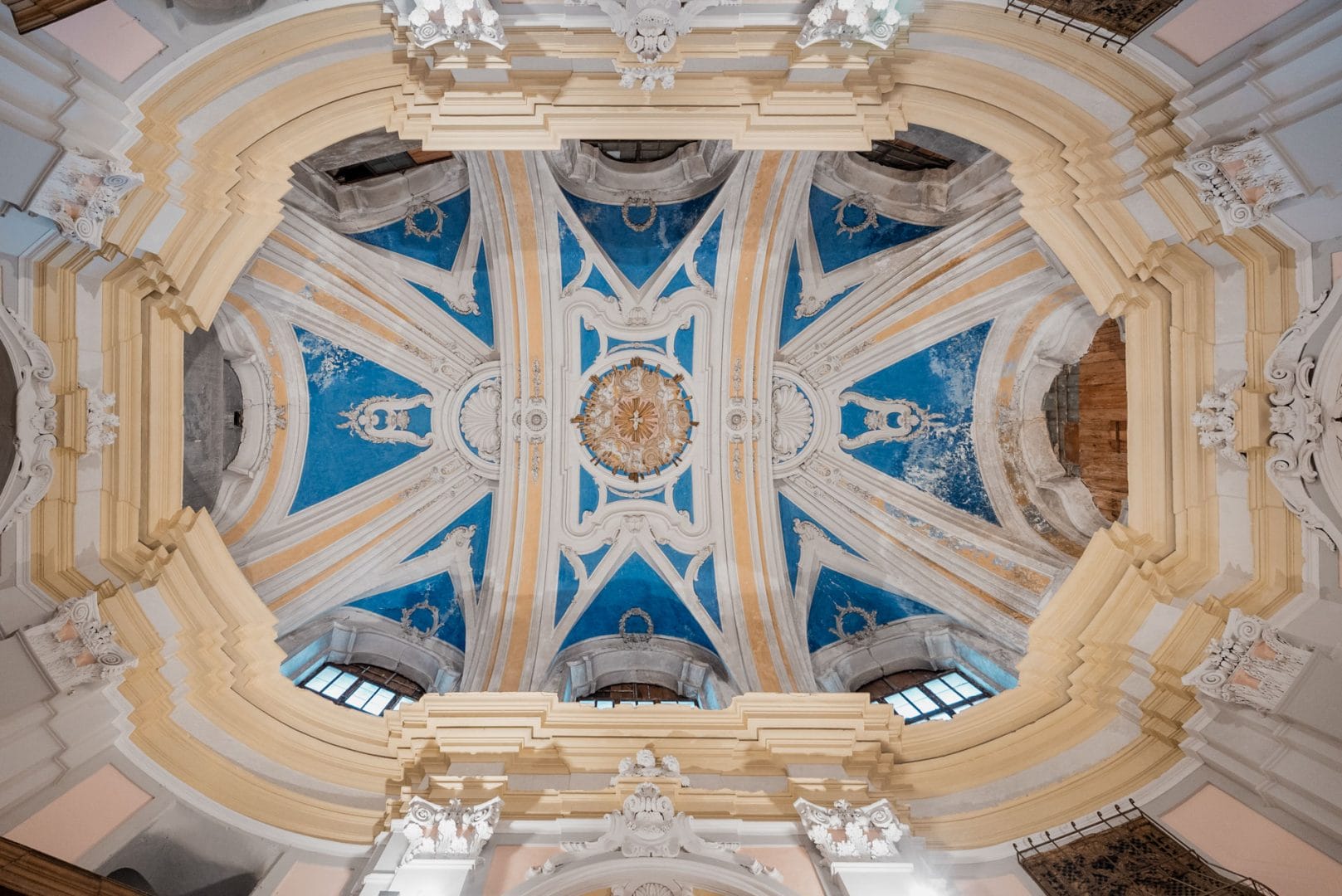
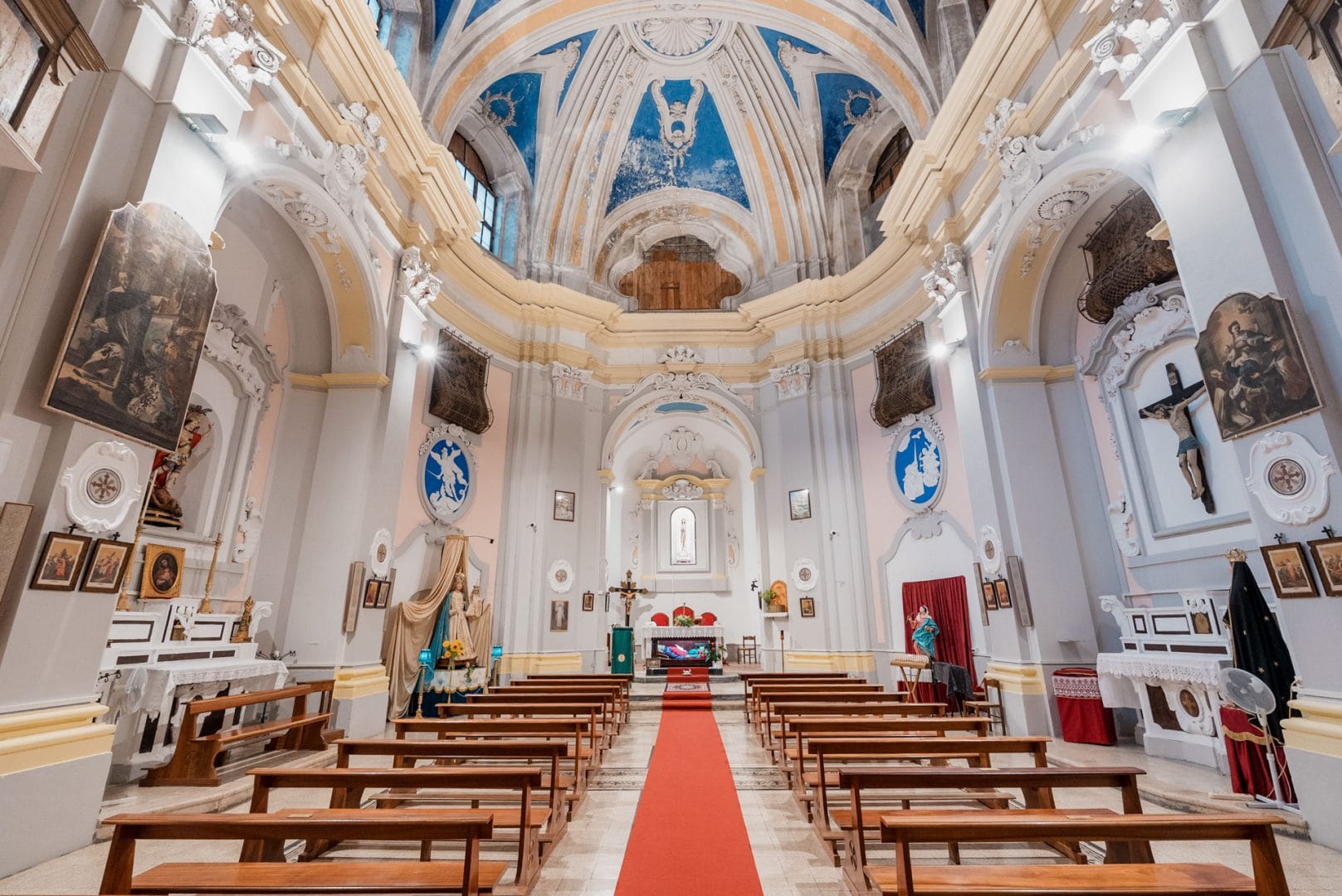
La Church of the Holy Spirit, the spiritual heart of the complex, was built in the second half of the 18th century on the site of the demolished Church of the Holy Trinity.
Consecrated on 6 June 1770, has a linear façade and a single room interior with side altars and sober decorations.
Some sources attribute the project to local craftsmen influenced by Giuseppe Astarita, among the greatest architects of the Neapolitan Baroque.
During the 20th century, the complex suffered damage due to earthquakes, but was the subject of restoration and consolidation that have preserved its original structure.
Today it houses the John Paul II Diocesan Library“, conference rooms and cultural spaces for pastoral and training activities.
In the corridors and classrooms once frequented by seminarians, one still breathes the sense of stillness and dedication that has animated the lives of generations of students and religious.
The complex of the’Former Seminary and Holy Spirit today represents a symbol of continuity between faith and culturea place where the memory of the sacred coexists with civil commitment and knowledge, keeping alive the link between the monastic past and the educational vocation of Campagna.