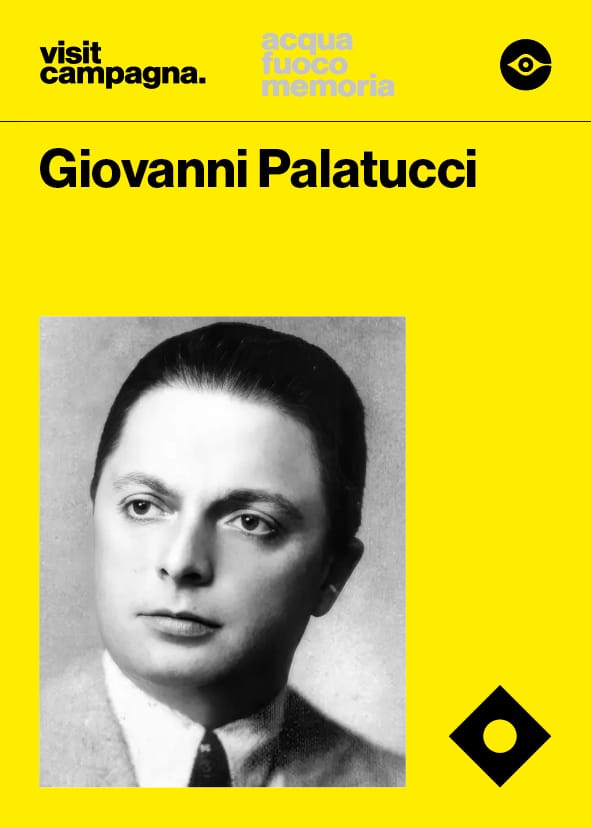


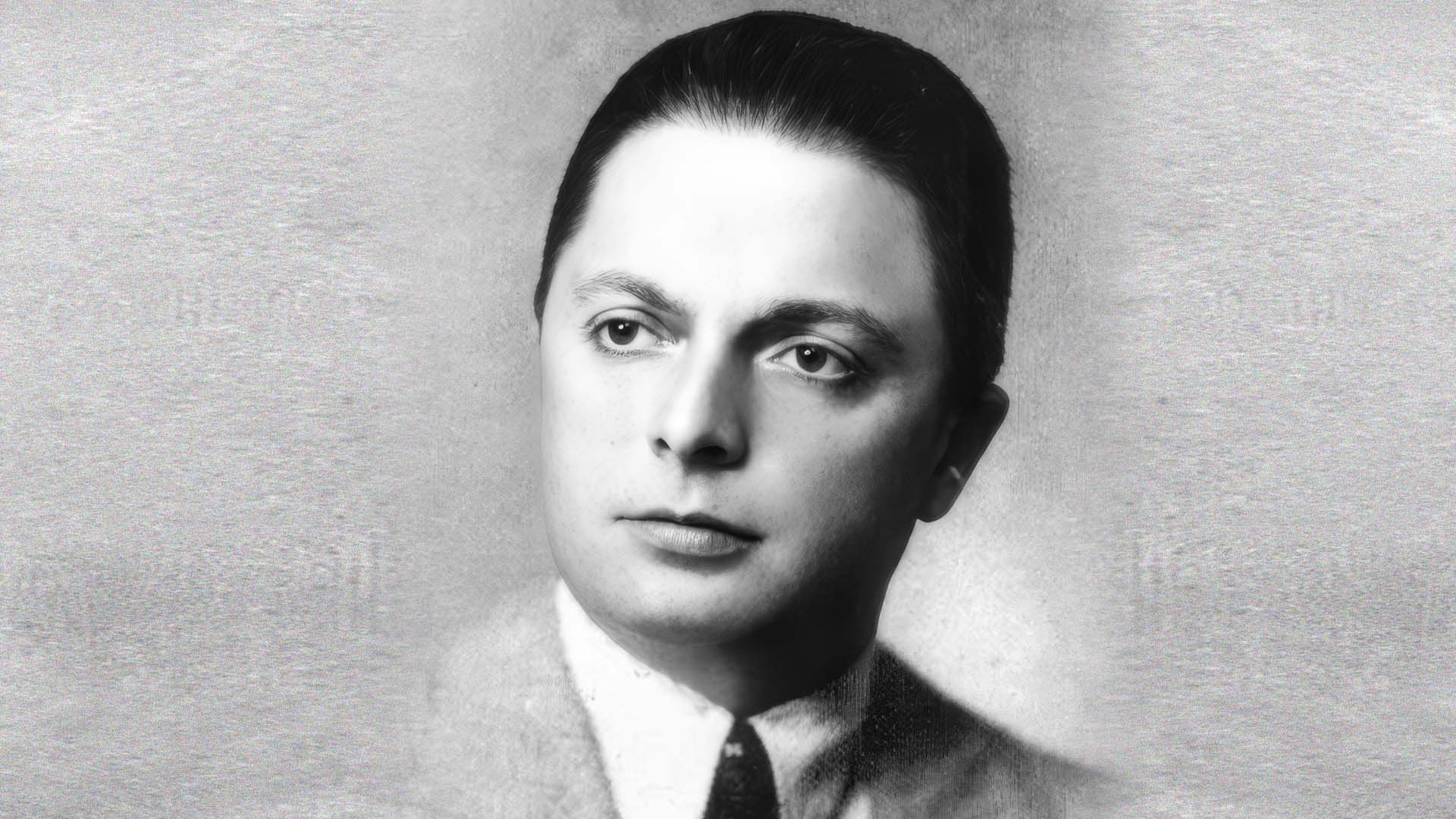
Giovanni Palatucci was born in Montella (Avellino) on 31 May 1909, in a family deeply connected to the Church and culture of Irpinia and the Salerno area. His paternal uncle, Msgr. Giuseppe Maria Palatucci, he was to become bishop of Campagna: it was precisely to the town of Seletto, where he spent significant periods of his childhood and youth, that John remained linked. After studying law in Turin, he entered the State Police and in 1937 was assigned to the Rijeka Police Headquarters, then an Italian city on the eastern border.
In Rijeka, he first held the position of Head of the Aliens Office, then - from 1943 - that of Regent of the Police Headquarters. During these years, according to testimonies collected after the war and acknowledged by various institutions, he worked to helping Jewish citizens and others persecuted by racial laws and the Nazi occupation, trying to avoid deportations and reporting to the German authorities. Among the strategies recalled was the sending of some people to the Campagna civil internment camp, which is considered relatively safer than other destinations.
Arrested by the Nazis on 13 September 1944, he was deported to the concentration camp of Dachau, where he died on 10 February 1945. After the war, thanks to the testimonies of former internees and those who had known him, his figure was gradually recognised as an example of moral resistance to the anti-Semitism and violence of the regime.
Giovanni Palatucci's link with Campagna is twofold: familial and historical. On family plan, the presence of the Uncle Bishop Giuseppe Maria Palatucci made the town an emotional and spiritual reference point. On a historical level, Campagna is one of the places that return in the stories of survivors and in the documentation of its activities in Rijeka. In fact, during the Second World War, a civil internment camp for Jewish foreigners and political opponents, set up in disused religious buildings in the historic centre.
After the 1938, some testimonies report that Palatucci, taking advantage of his role in the Aliens Office, has directed people to Campagna who risked deportation to far more dangerous placesWhile remaining within a repressive system, the Campagna camp was characterised - according to the memories of the internees and historical research - by relatively less harsh conditions, also thanks to the support of the local population and the then bishop. Within this framework, Palatucci's name remained linked to the network of relations between Fiume and Campagna that made the survival of several internees possible.
In 1990 Giovanni Palatucci was recognised “Righteous Among the Nations” from the Yad Vashem in Jerusalem, based on the testimonies of some Jewish survivors who remembered him as decisive in saving them from deportation. The Italian Republic awarded him the Gold Medal for Civil Merit and the Catholic Church initiated the cause of beatification, recognising him as a Servant of God. In Campagna and in many Italian cities, streets, squares, schools and institutions are named after him, testifying to the rootedness of his figure in the public memory.
In recent years, historiography has begun a critical debate on the extent and manner of his work, examining the available archival documents in greater depth. Some studies have questioned the numbers traditionally attributed to his intervention, while others continue to emphasise the value of the testimonies and the extremely complex operational context in which he operated. Despite the confrontation between different interpretations - physiological in historical research - the figure of Palatucci remains for Campagna and for many communities an symbol of personal commitment to the persecuted and rejection of the inhuman logic of the racial laws.
In Campagna, this bond is guarded in particular by the Giovanni Palatucci“ Museum of Memory and Peace”, set up on the site of the former internment camp, which tells the story of the internees, the role of the local population and the testimony of the young official from Rijeka. Today, the museum is one of the central points of the city route dedicated to the memory of the Shoah and the values of the Constitution.