
La Church of Our Lady of the Bridge stands along the ancient road that connected the Campania at Apulia and the Basilicata, at a bridge crossing a ravine and near a mill attested already towards the end of the year one thousand.
Walking that path, the wayfarers of yesteryear would stop their gaze on a small votive shrine with the image of the Our Lady of Grace. The episode of the 1509, in which an ox-cart crashed and the driver escaped unhurt thanks to the Virgin Mary's intervention, marked the beginning of a new era. stable devotion place.
In the course of time, the shrine was transformed into an oratory and then into a church proper: in the 1775 the new temple erected over the original site was inaugurated, based on a design by Campagnese Mariano Cuocolo.
The church thus recalls the pilgrimage, the daily faith and the connection with the road and the bridgenot just a sacred building, but a focal point of social life and passage.
The place where the church stands today was formerly a road junction important: the route that joined Campania, Apulia and Basilicata passed next to a bridge and a mill, in an area of intense goods traffic, especially wheat.
In 1509 the allegedly miraculous event took place: oxen pulling a cart fell into the ravine, but the driver saved himself by invoking the Our Lady of Grace. The friars of the nearby convent of Madonna d'Avigliano then suggested painting the image of the Virgin on the wall of the mill: that spot soon became a destination for rest and prayer.
The miracles and events that followed - such as the fire at the 1607, which destroyed the neighbouring inn but left the painting intact, or the earthquake of 1694, which did not damage the “miraculous” wall - strengthened the cult.
In 1773 a votive shrine was erected to protect the image; shortly afterwards, it was decided to build a larger church, inaugurated in April of 1775, thanks to the contribution of the Confraternity of the Holy Name of God and the Pironti family, who donated the land free of charge.
So the bridge became sacred place, and the building a symbol of the Marian protection along the way.
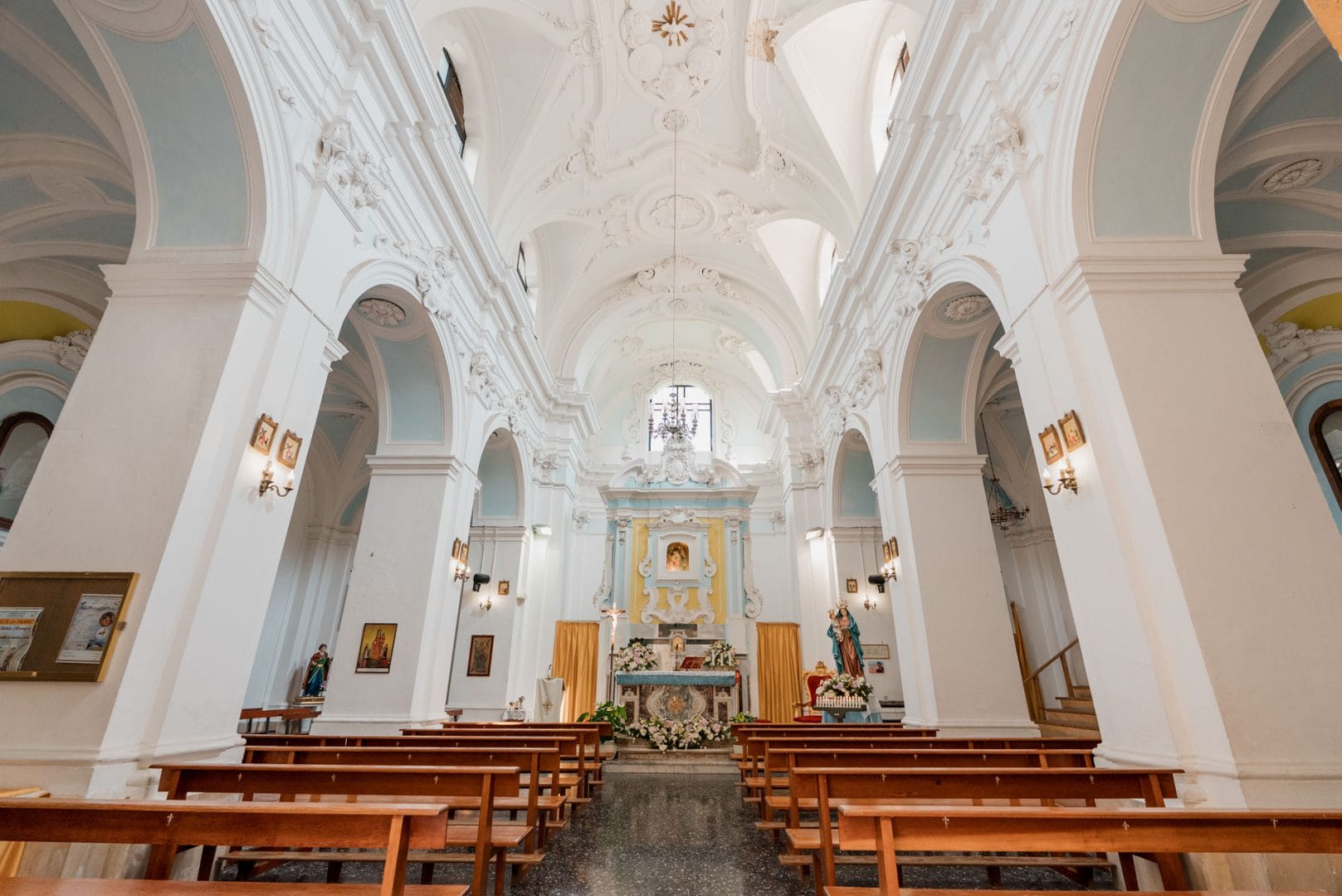
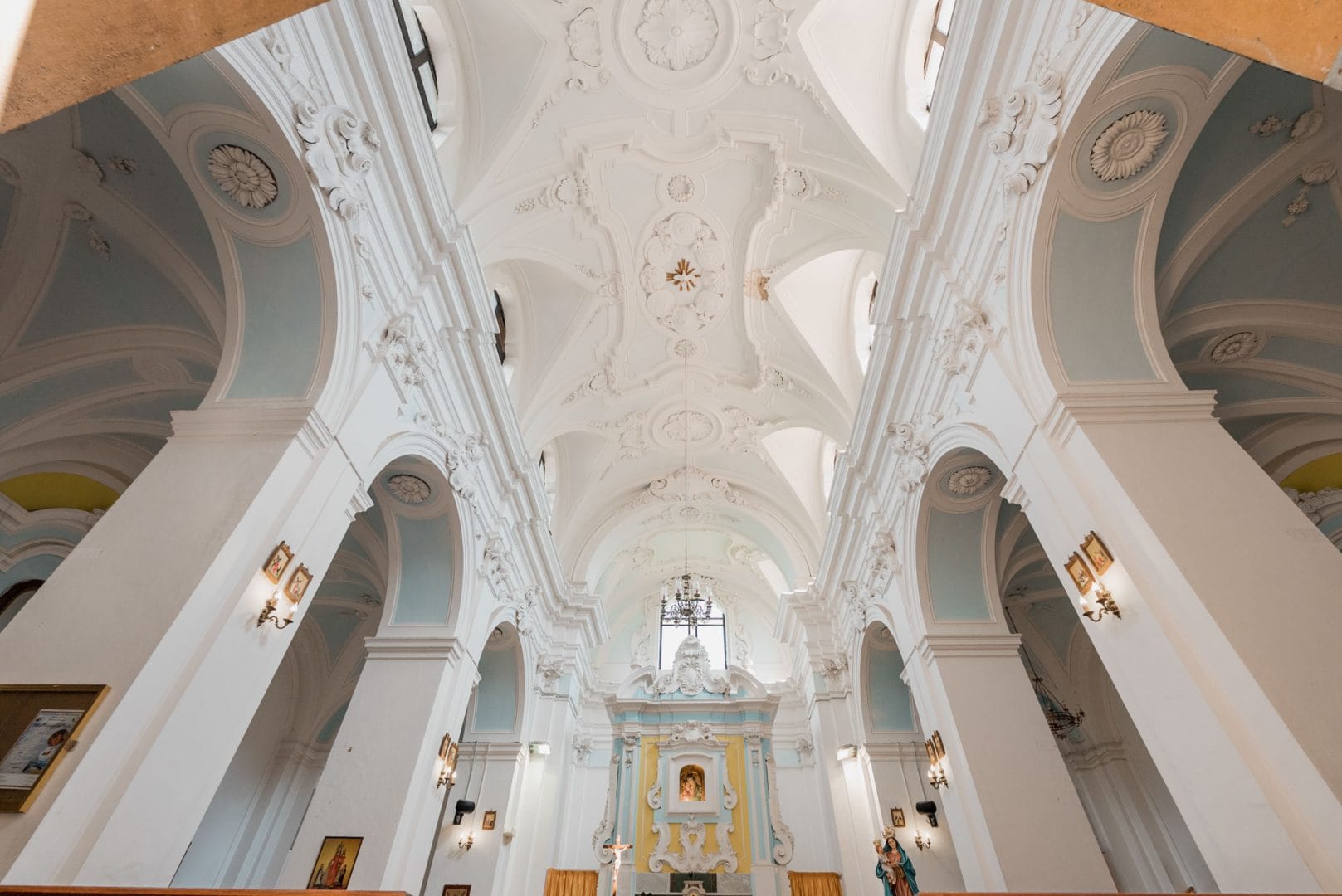
The design of the church follows the plant and the neighbouring plant Co-cathedral of St. Mary of Peace, and is attributed to Mariano Cuocolo, already active on several city sites.
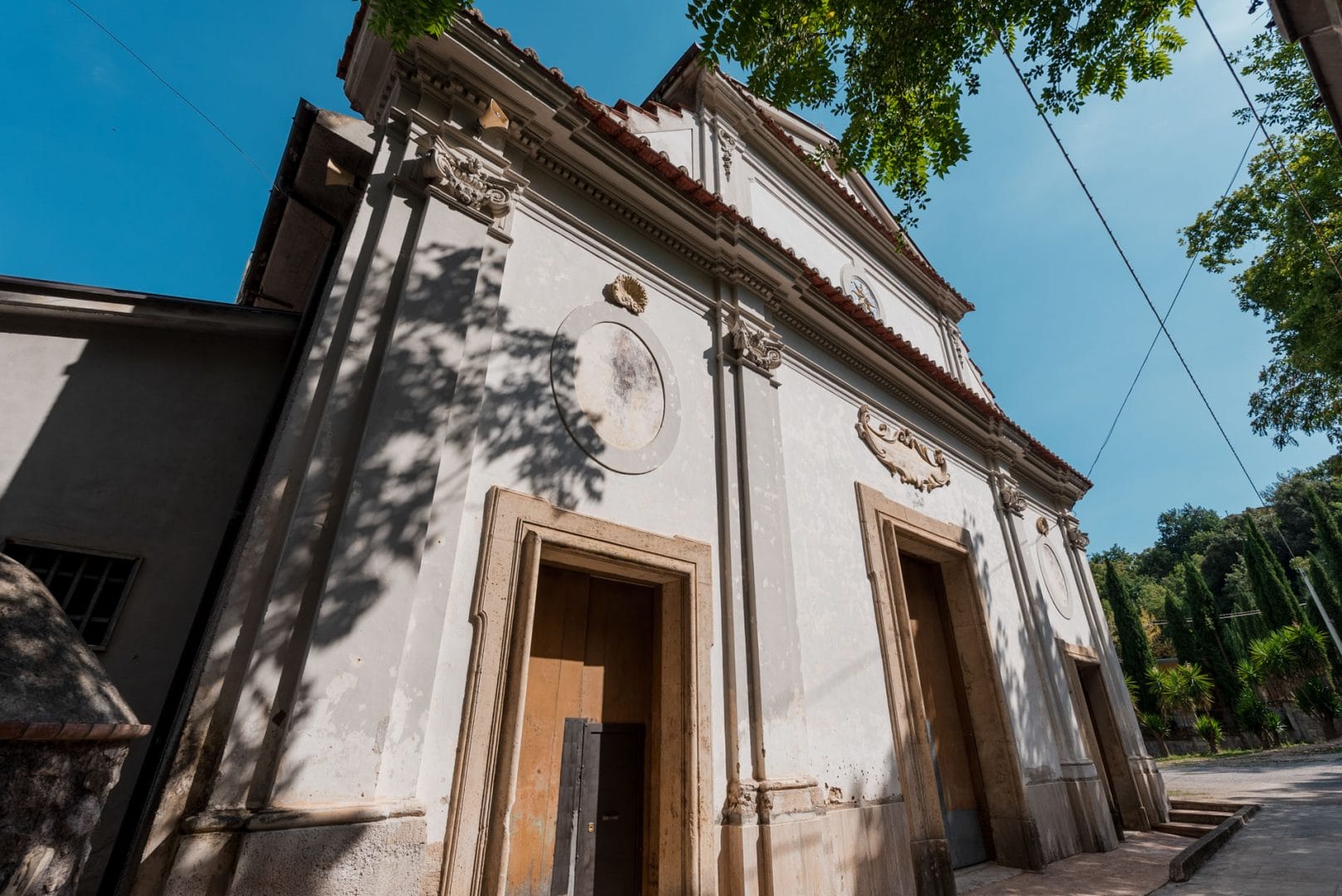
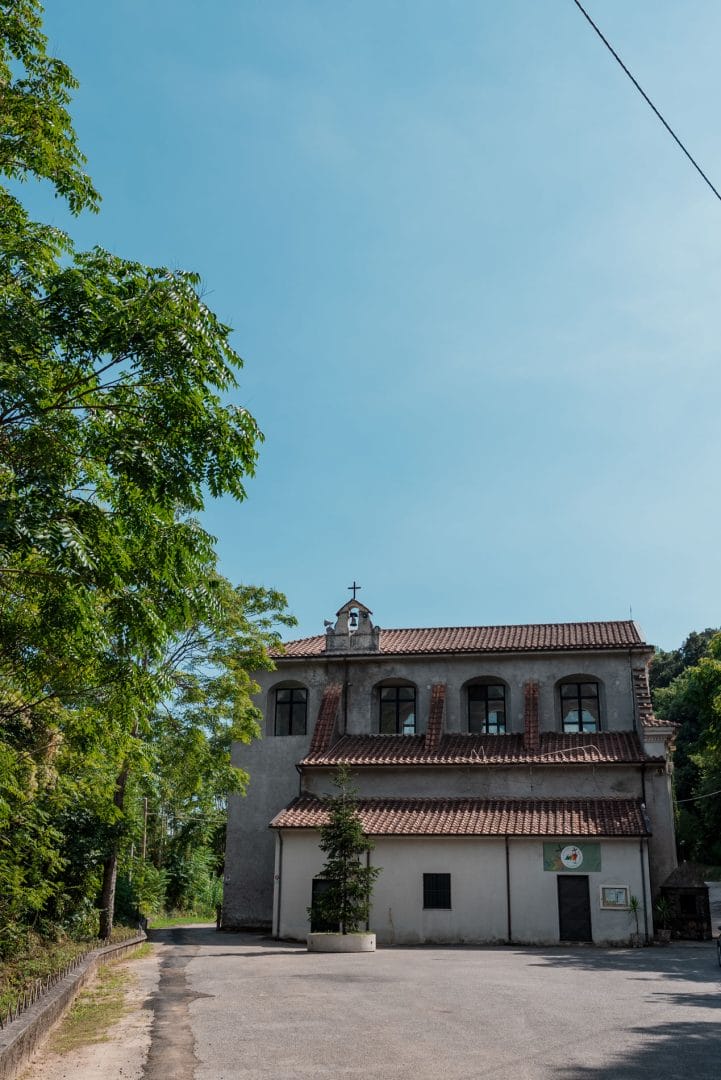
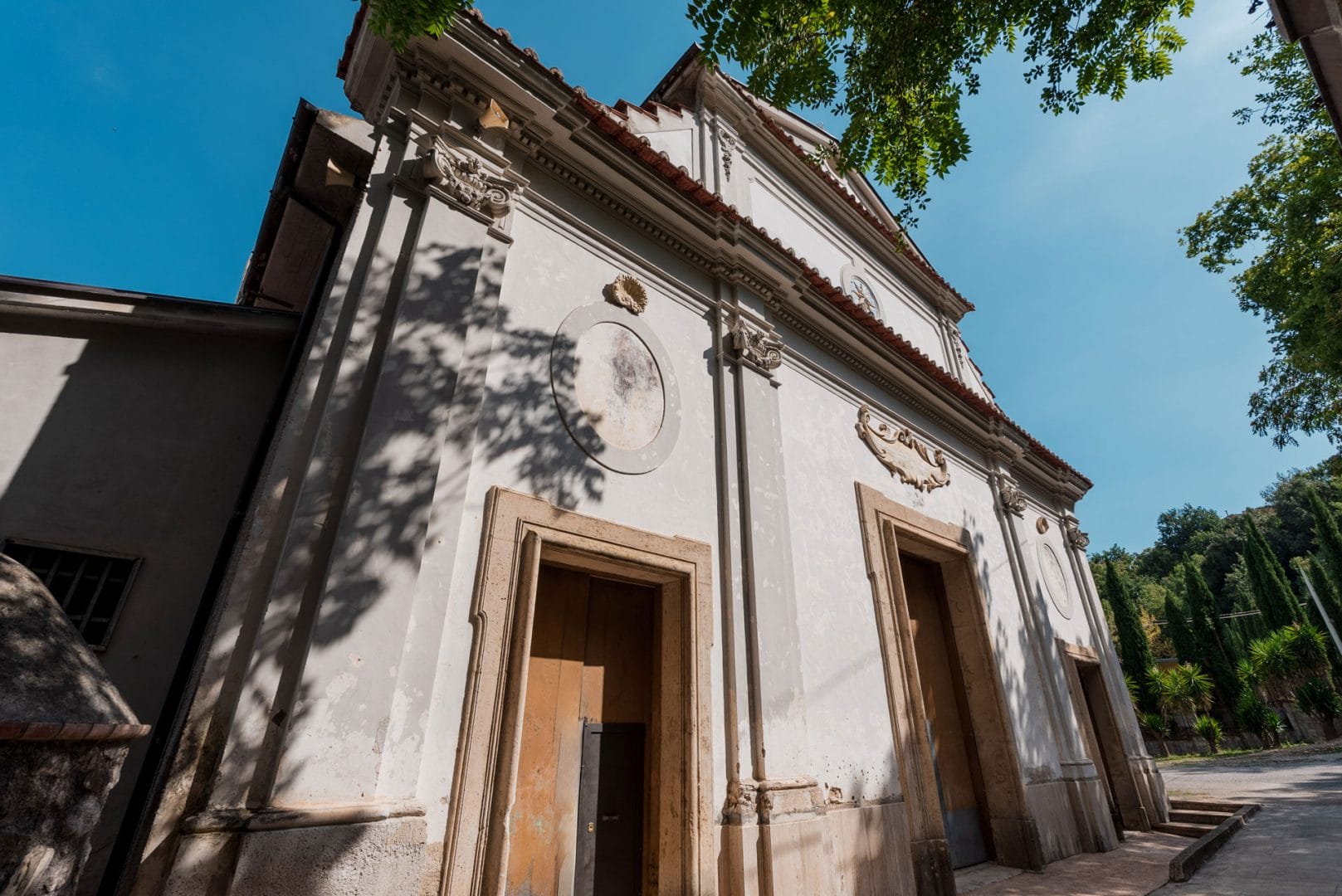
The building is constructed in local stone, with a sober but elegant façade, recognisable to the traveller as a sign of protection and reception.
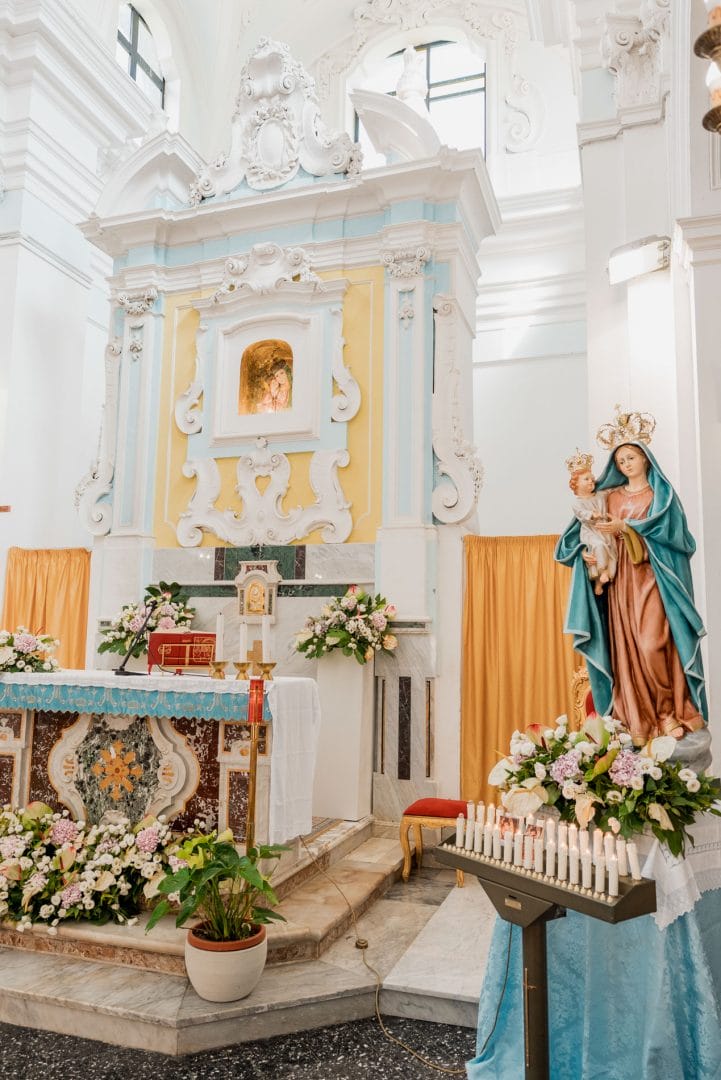
The interior altars - including the high altar made of polychrome marbles, dated 1782 and wanted by the Pironti family - bear witness to the participation of the local nobility in the Marian cult.
The church does not only have a religious role, but also landscapebridge, mill and oratory become symbols of community, passage, identity and memory.
Today the church is well maintained thanks to parish efforts and retains its original meaning of refuge, rest and gratitude.