
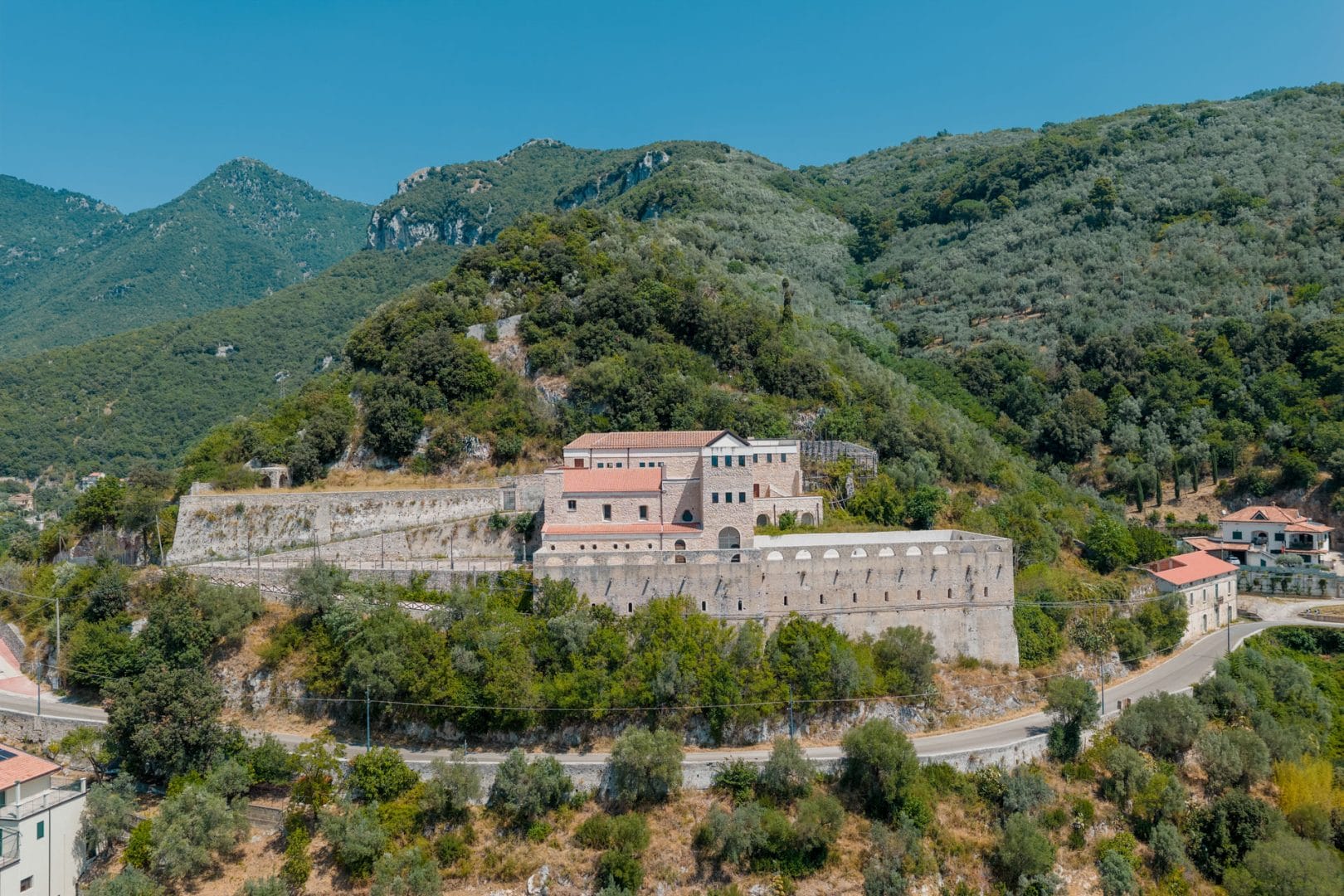
The Convent of St Martin stands on a rocky outcrop at the entrance to the valley of the Tenza river at Folcata, in the territory of Campagna (SA).
The area was purchased on 30 March 1573 by the canon don Giovanni Antonio Porcelli, for the Capuchin friars to build a convent or hospital there. Work began on 20 April 1575, with the foundation stone blessed by Bishop Monsignor Girolamo Scarampi, and the consecration of the church took place on 3 March 1594.
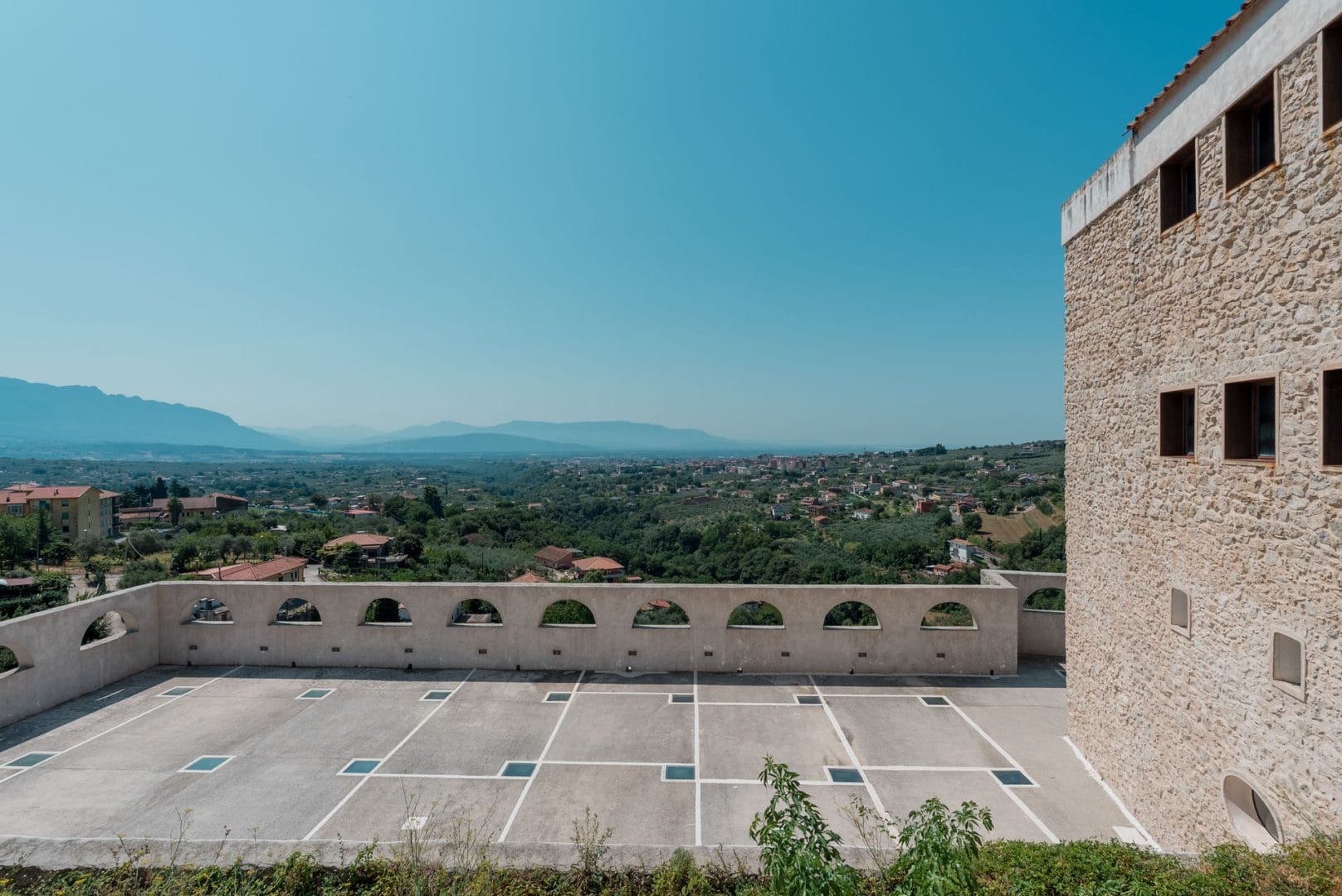
The choice of location, along the “Aryan Road”, was dictated by criteria of salubriousness, sun exposure and views, qualities that still make the site particularly impressive today.
For centuries, the convent was the centre of religious, educational and social lifeIt housed a student house, library, cells, refectory, cloister and burial ground.
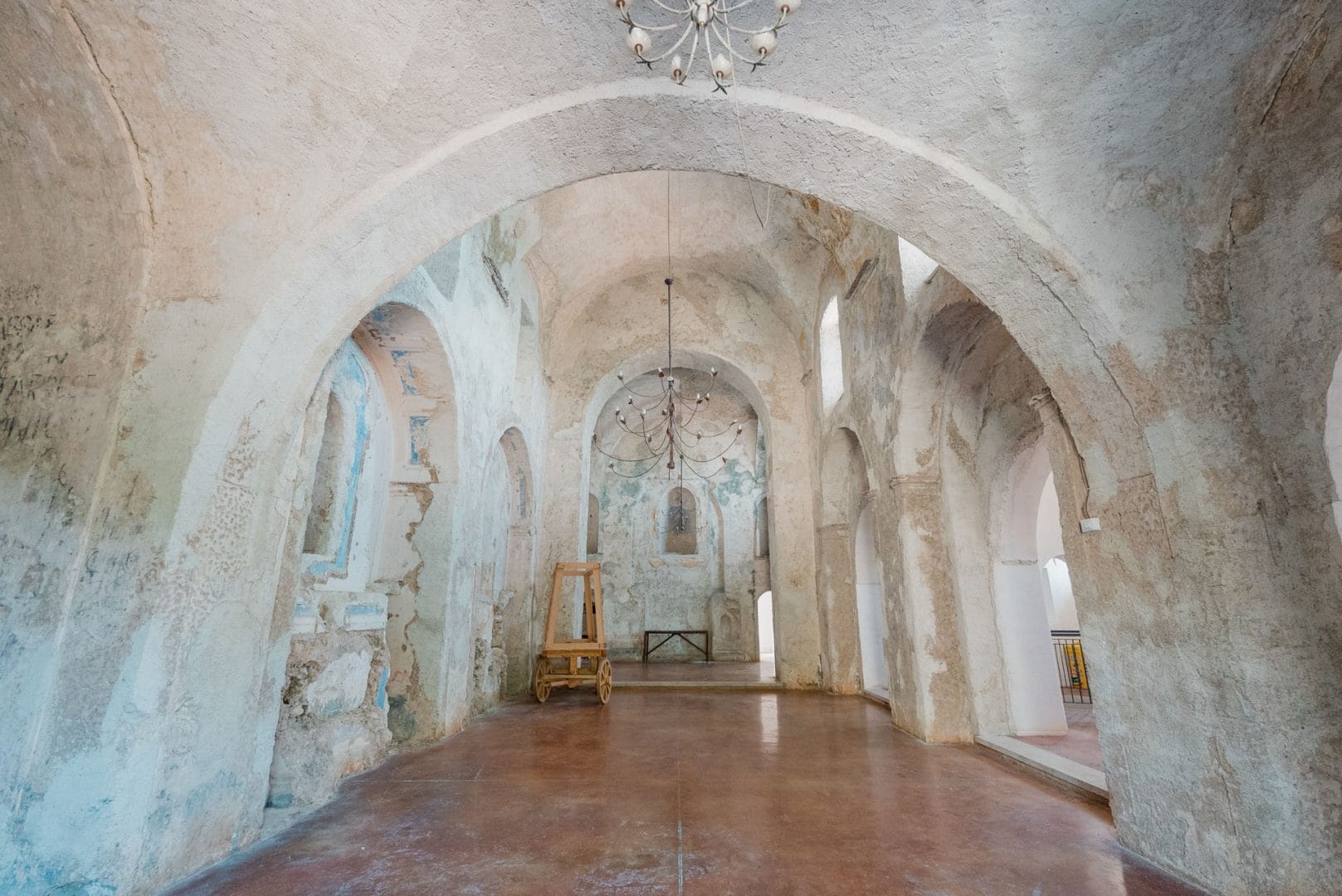
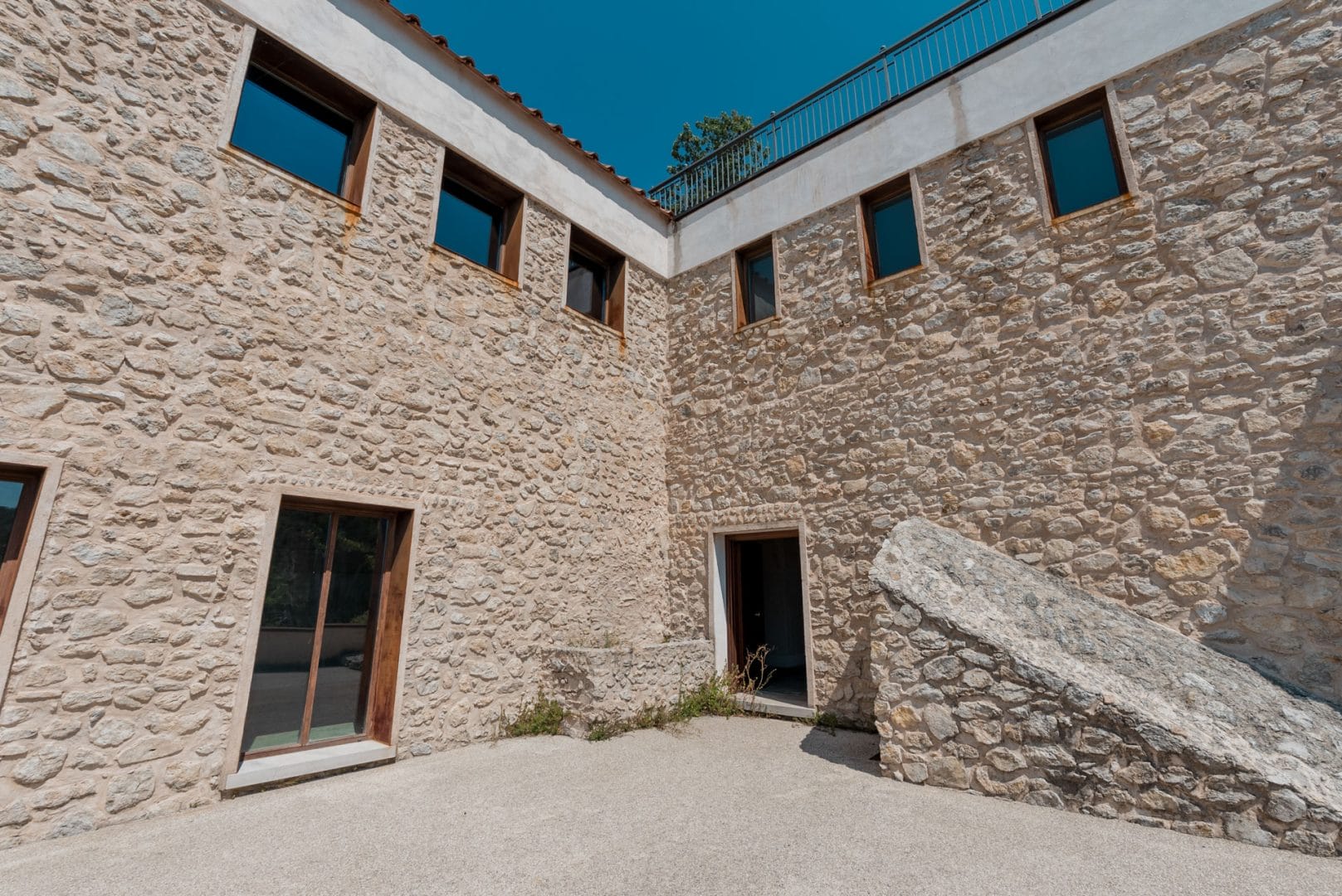
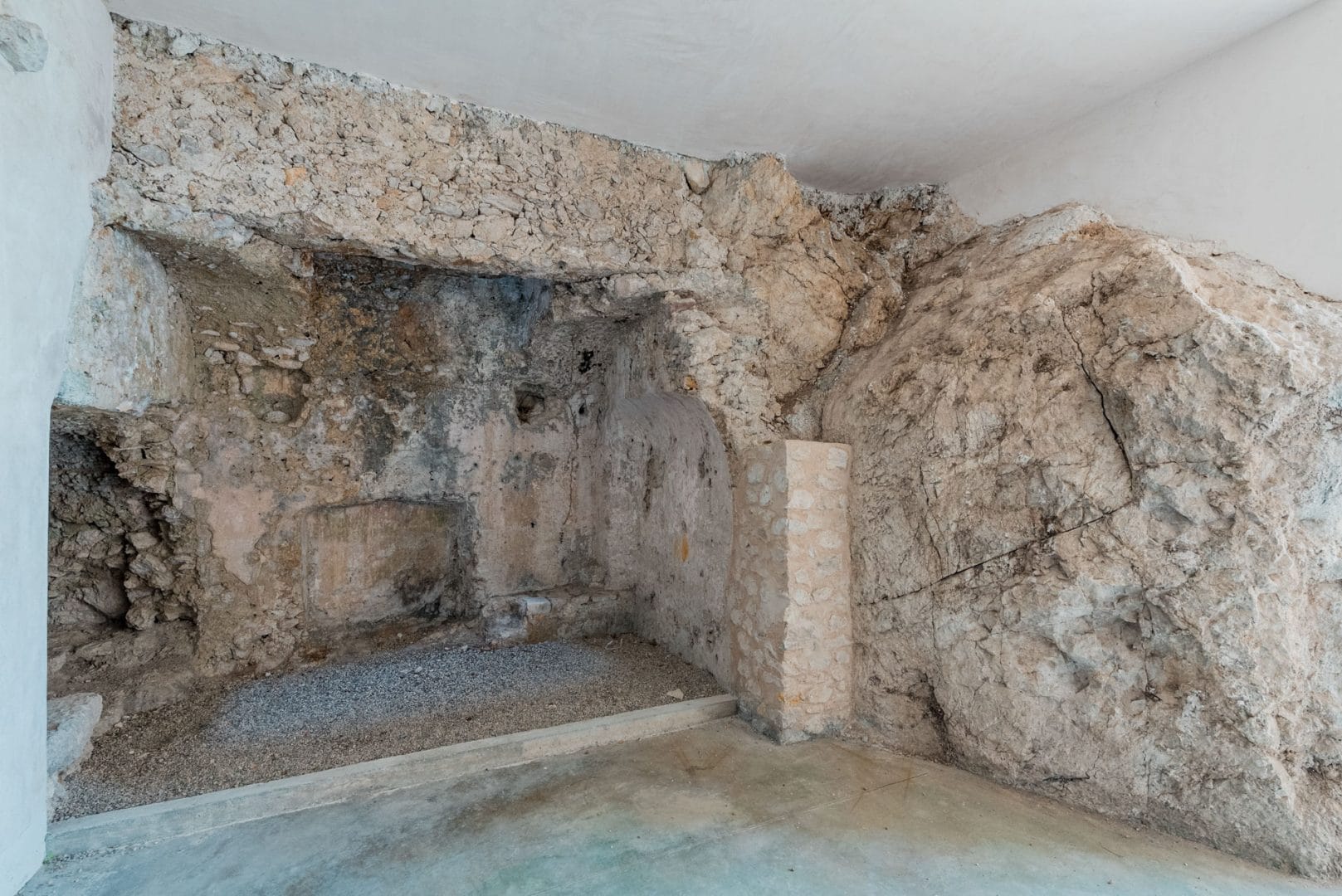
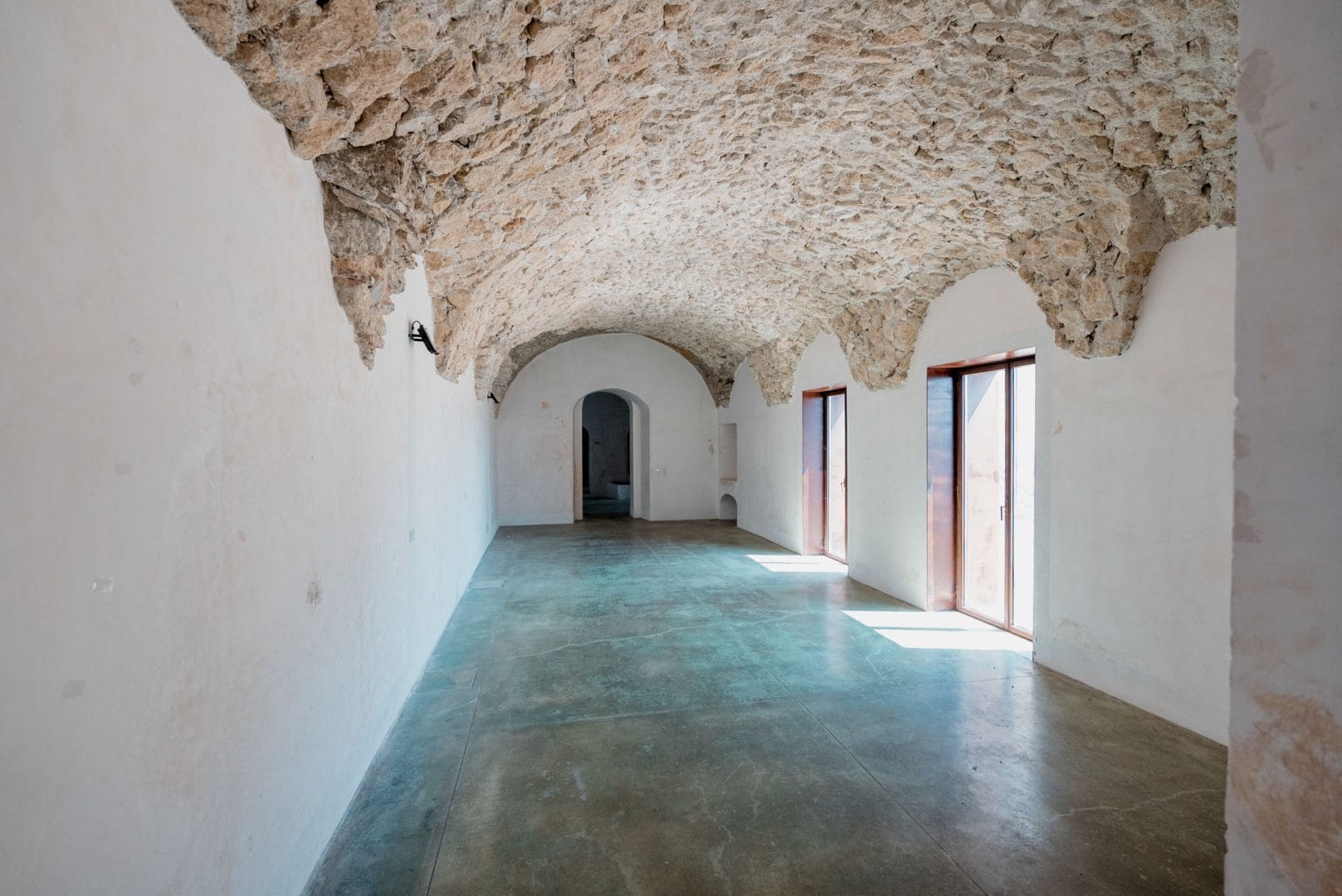
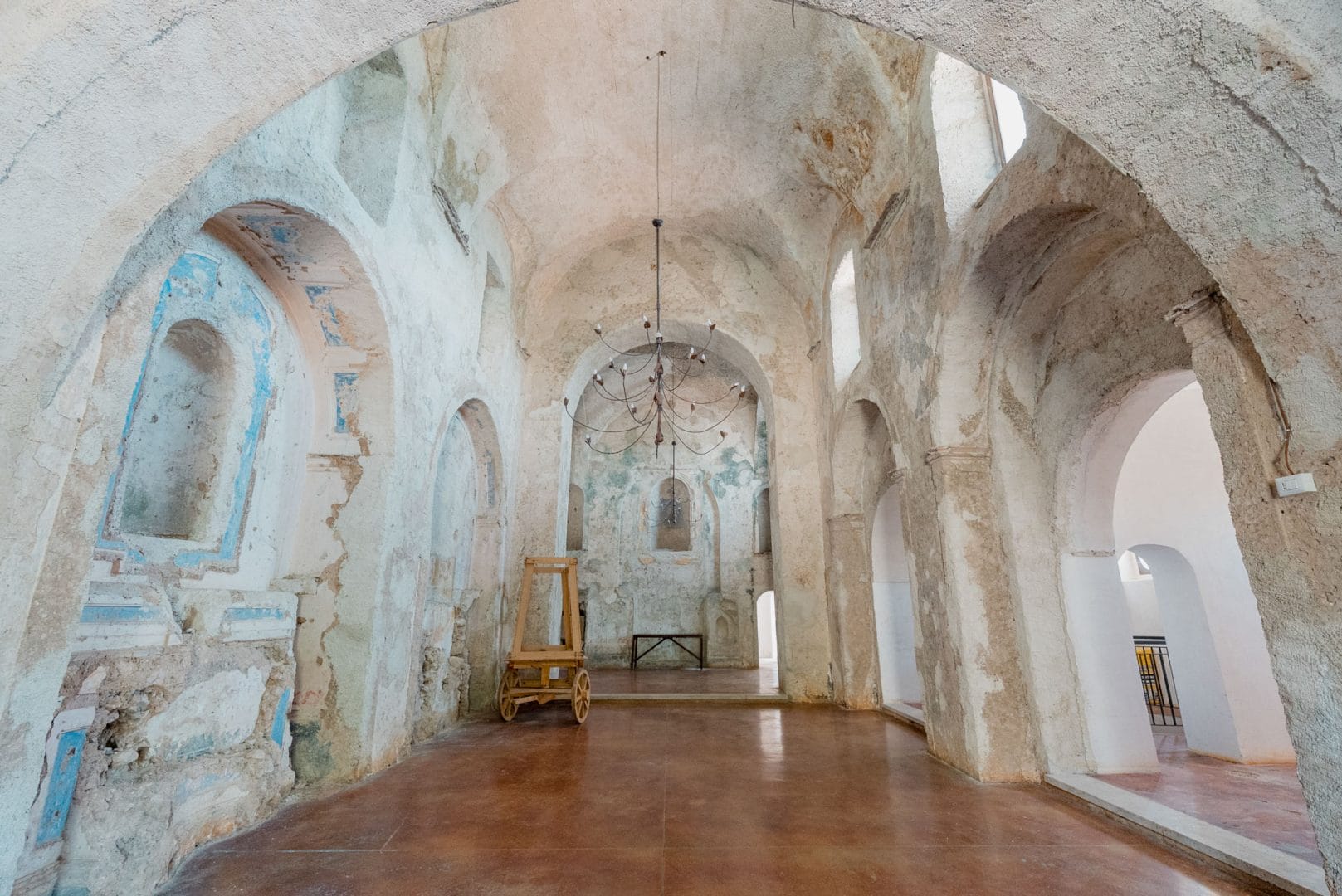
Today the complex, partly in a state of ruins, is the subject of restoration work and represents a significant architectural and landscape heritage for the town of Campagna.
The Convent of St Martin was conceived in the reformed spirit of the Counter-Reformation, which required sober monasteries and communities dedicated to poverty, prayer and education.
Already in the 1599 there is a documented “magisterium of literature”, which testifies to the formative function entrusted to the brothers.
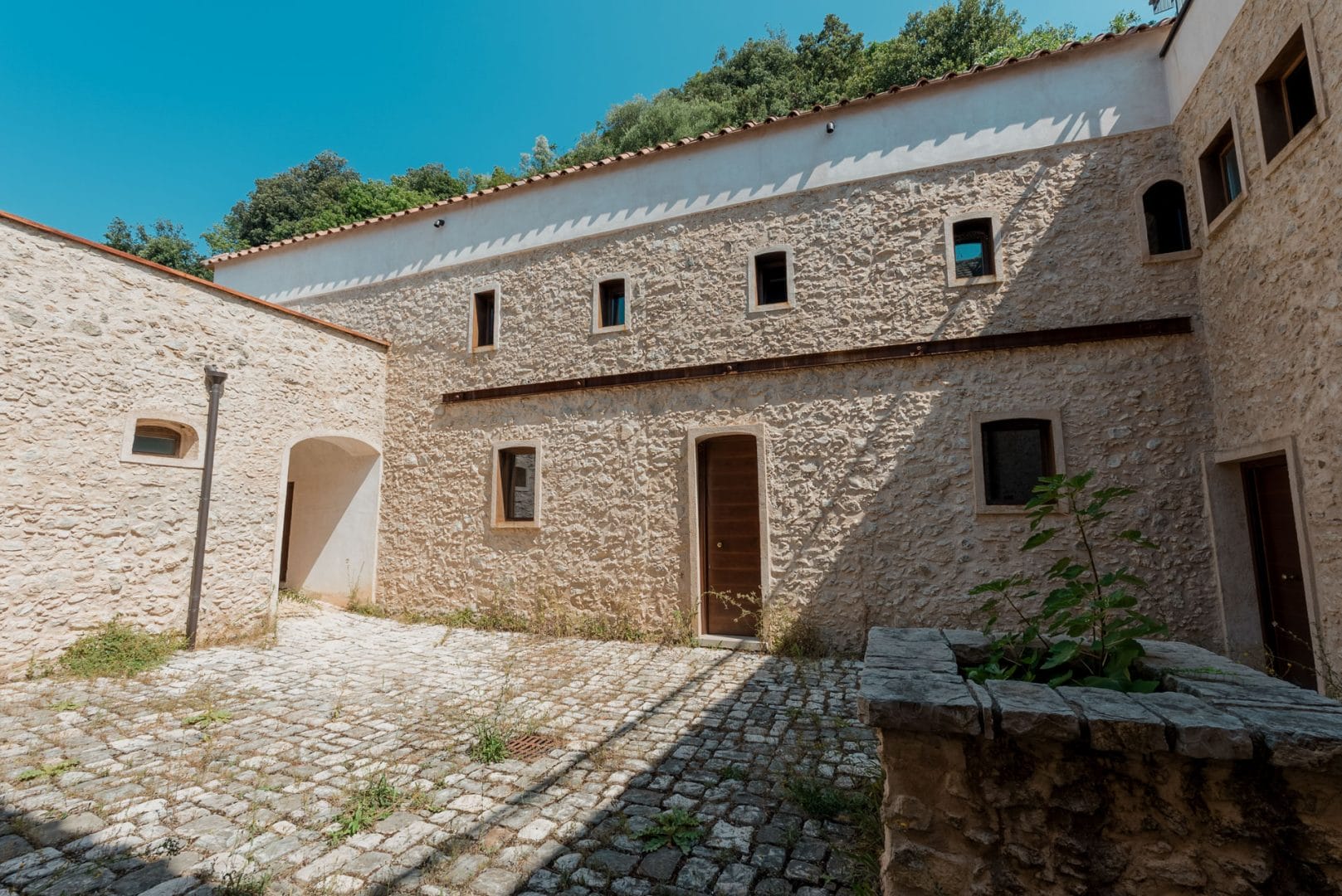
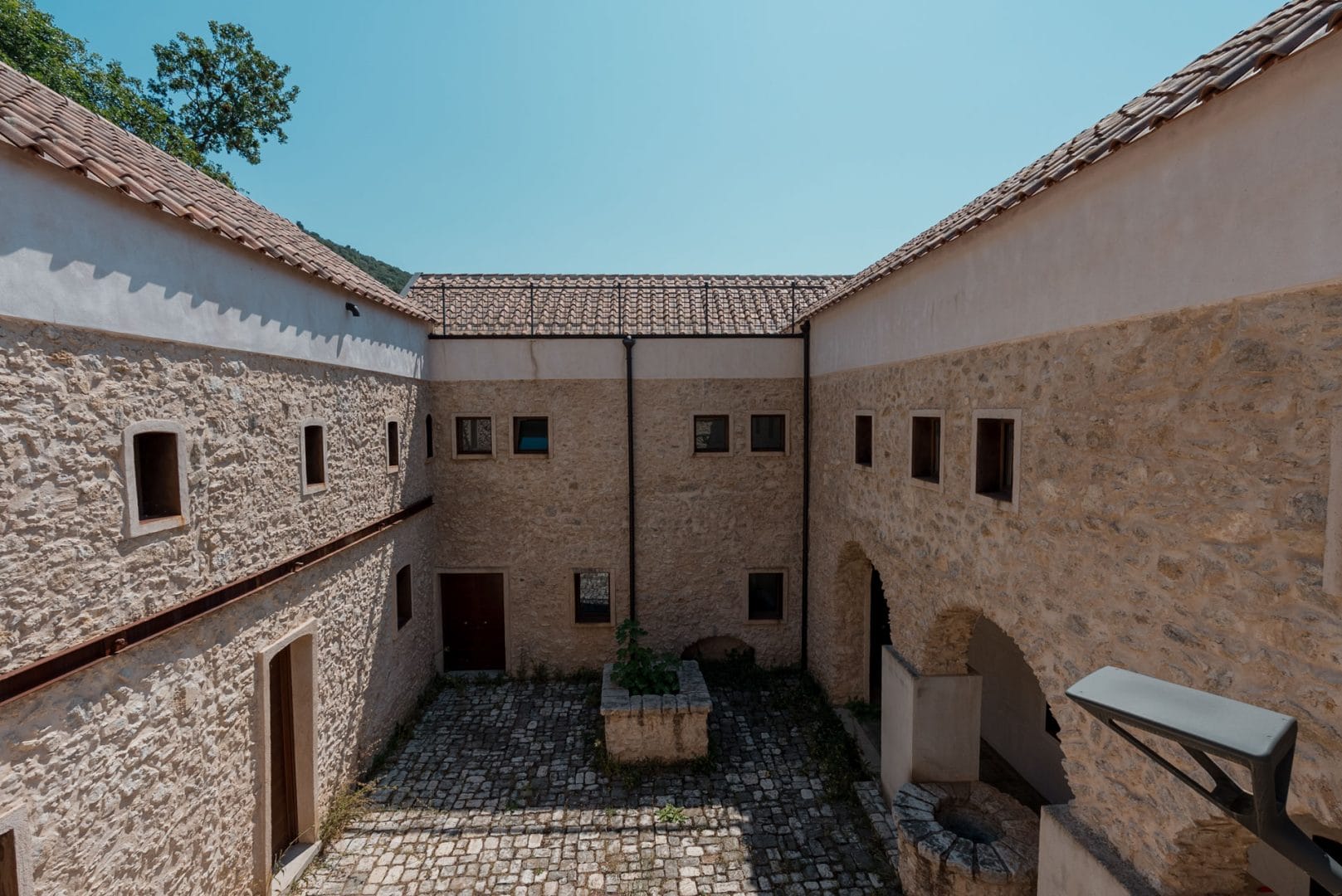
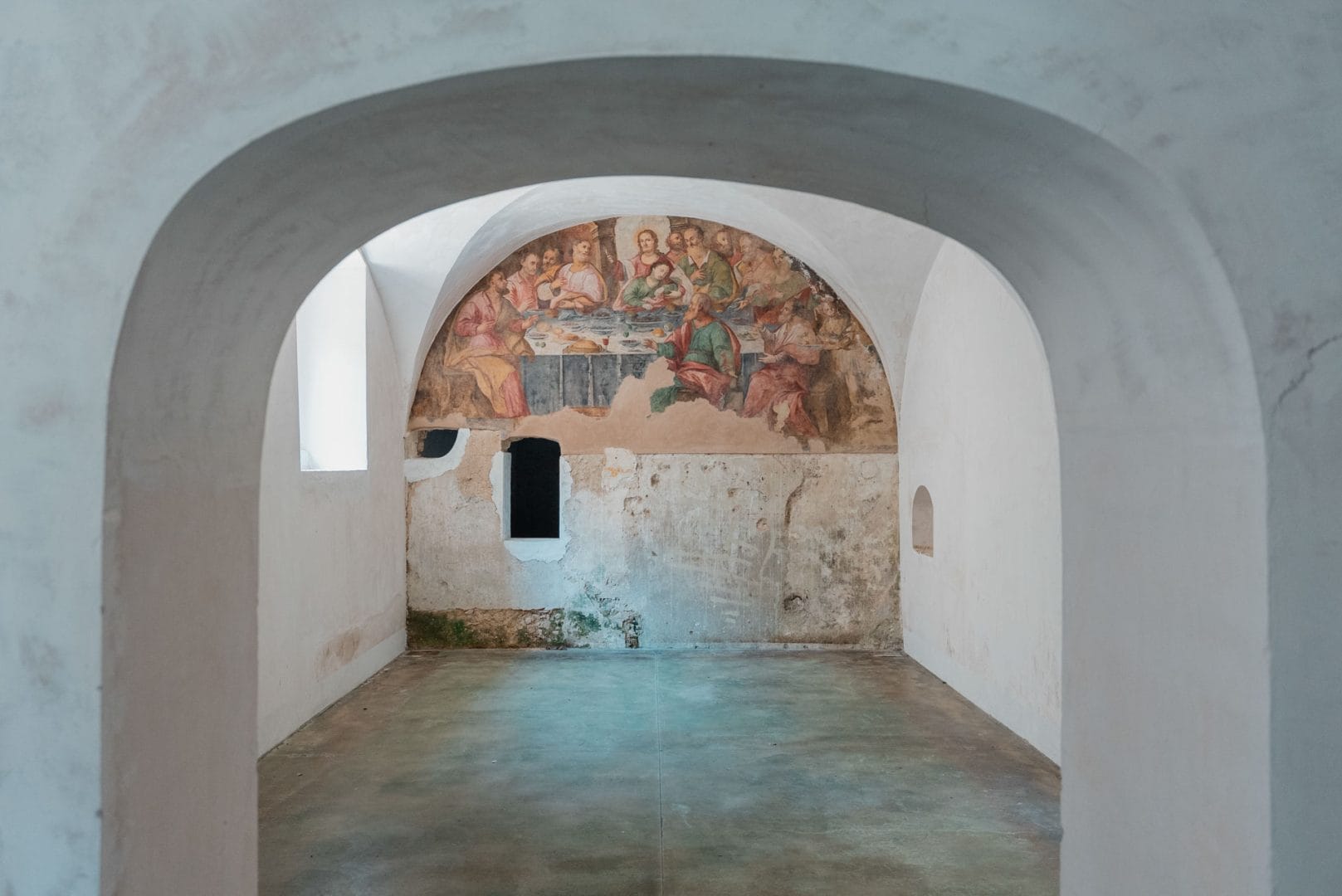
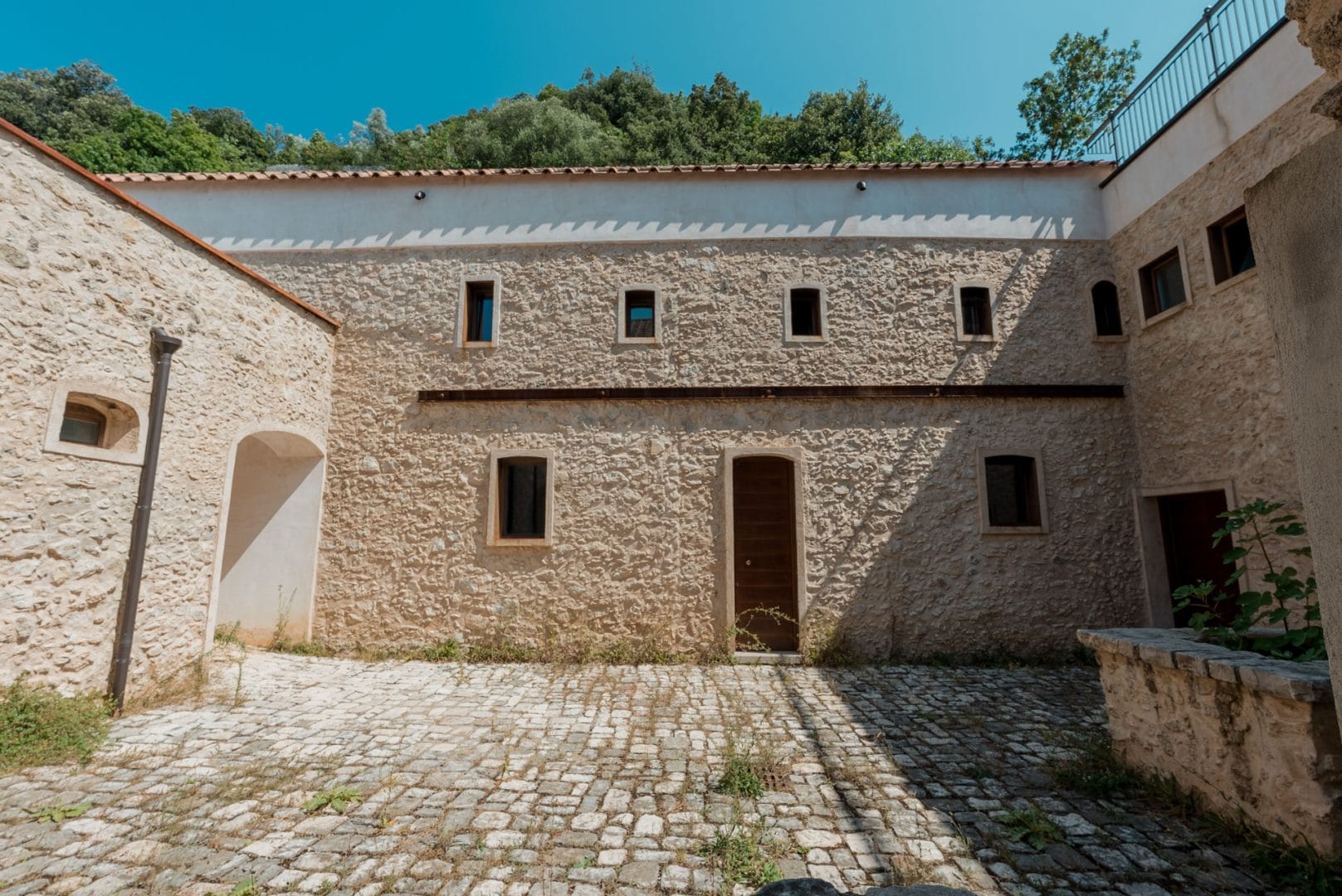
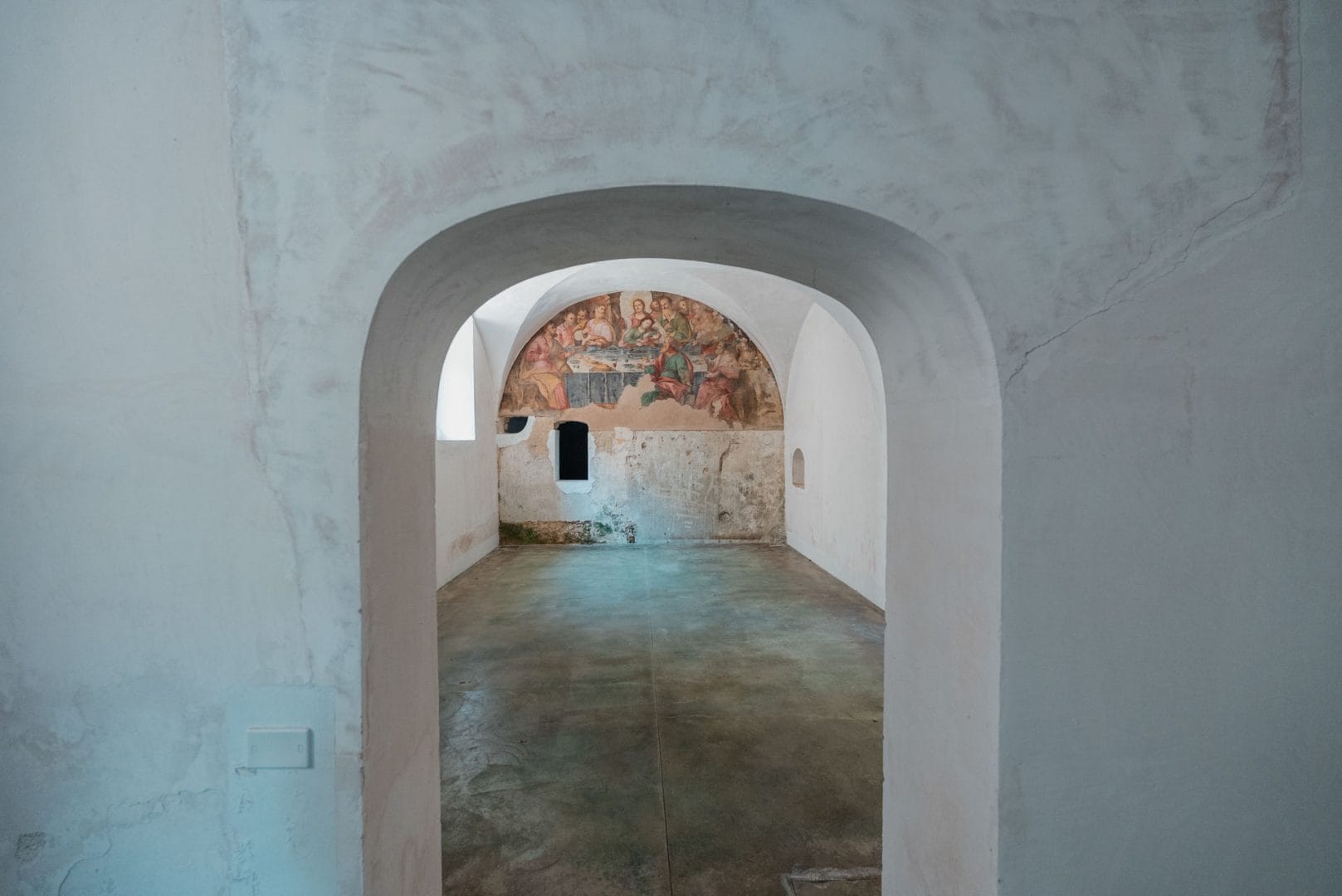
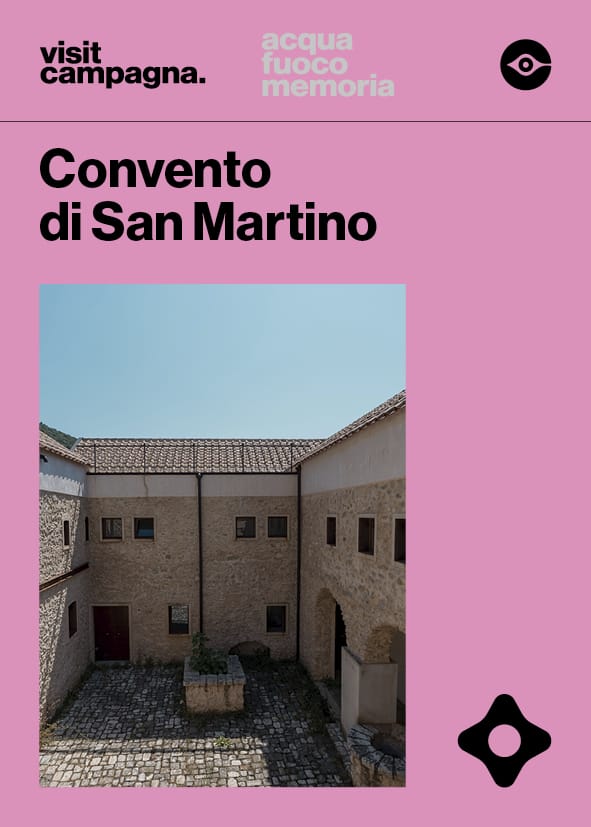
The complex included, in addition to the church, a terraced garden, a cloister with well, austere cells, refectory with frescoes and servants' quarters. The cloister was configured on two floors, with a porch on the south side and a central well approximately 10 metres.
During the 17th century miracles and wonders linked to the community: for example, in the 1691 the ’apparition“ of a young man who brought supplies to the friars at a time of food shortages is documented.
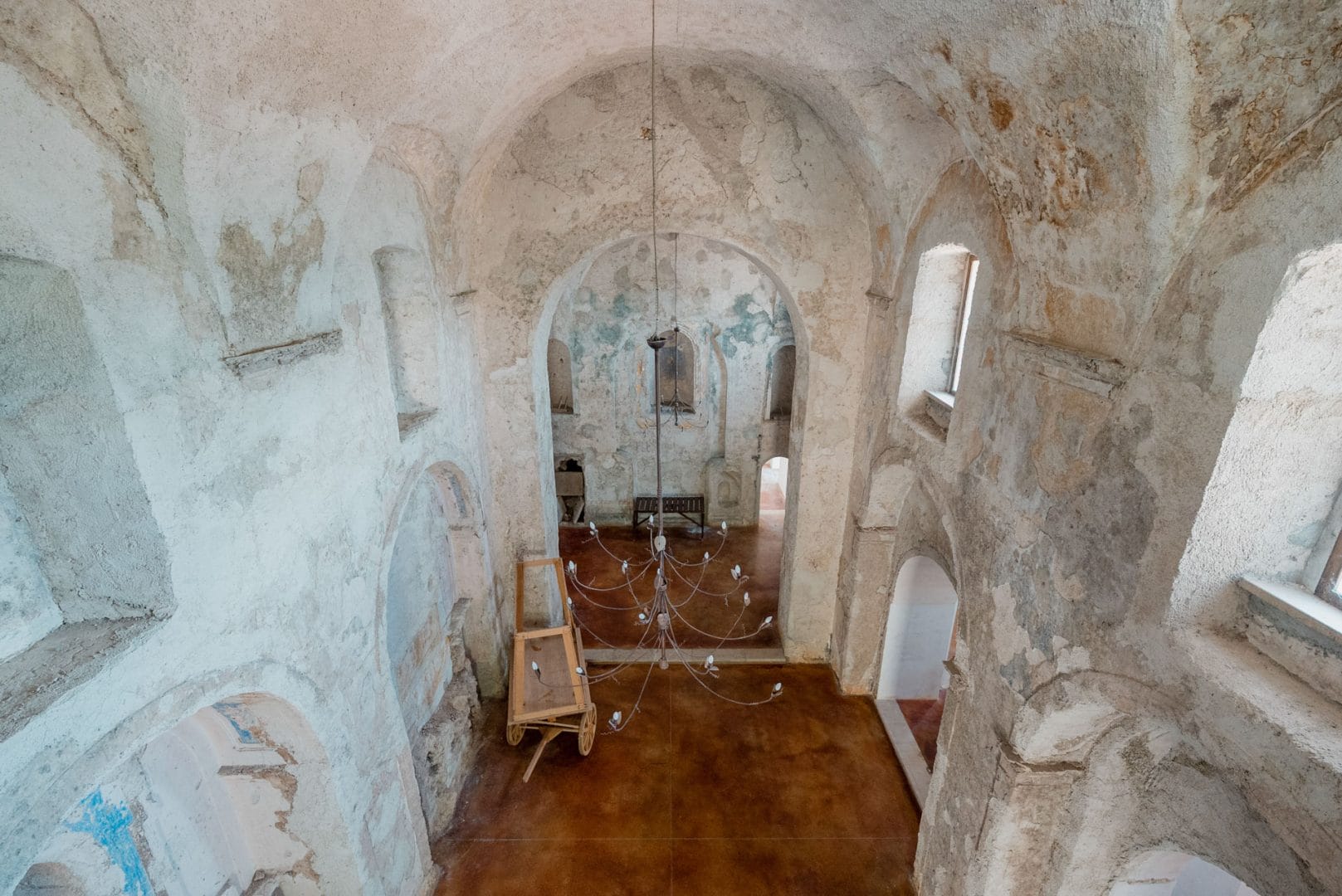
The convent church presents elongated rectangular plan, single nave, six side chapels (three on each side) and upper windows overlooking the cloister corridors.
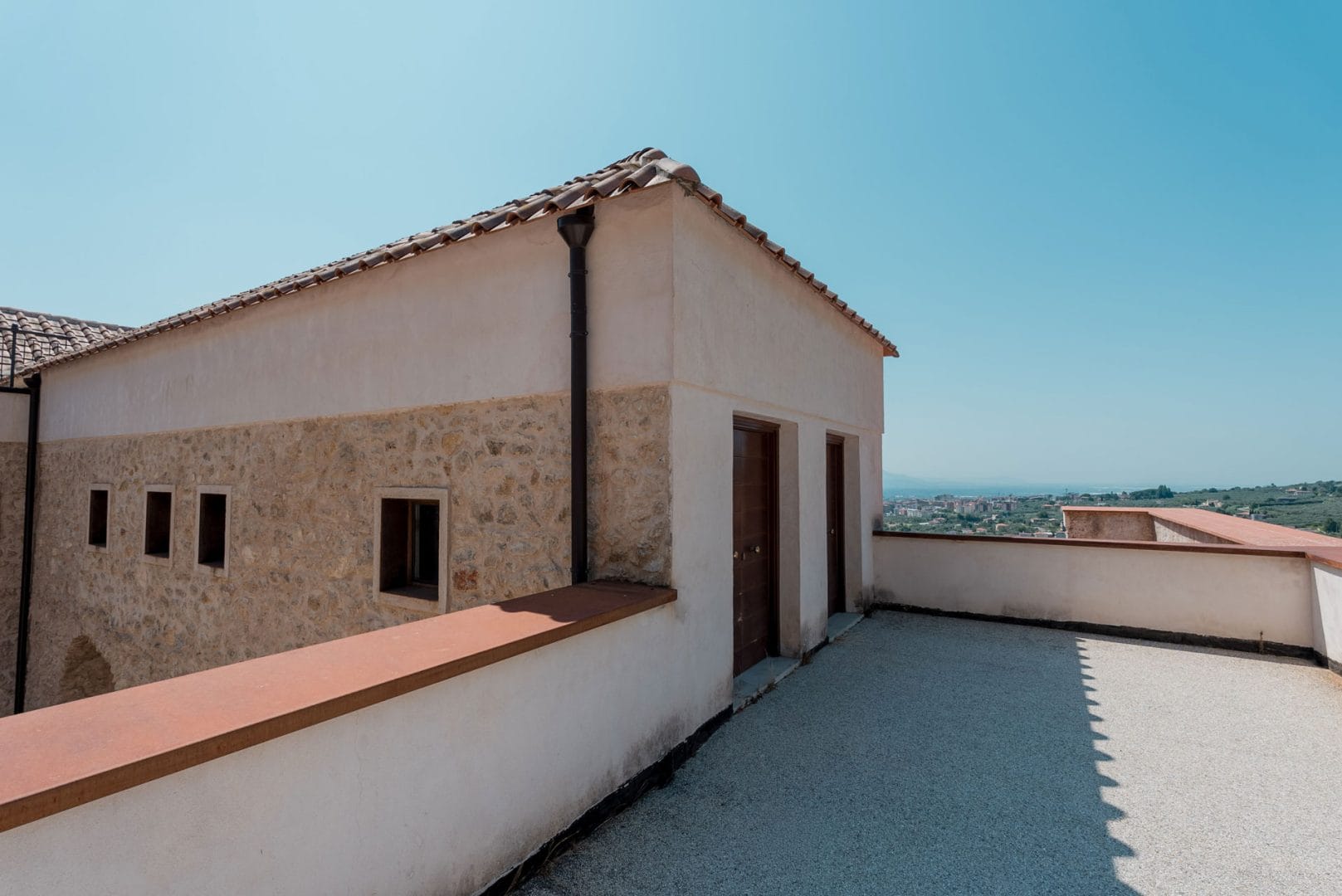
The complex was built adapting to the slope of the hillThe church rises on a lower level, while the convent with its cloister is located a little above, connected by an external ramp to the façade.
The natural setting, with views of the Tenza Valley and on the opposite hill, adds to the charm of the place.
After the suppression of religious orders and the subversive laws of the 19th century, the complex was gradually abandoned.
Today it is in a condition of degradation, but recent restoration work enhances its potential as a cultural and landscape space.