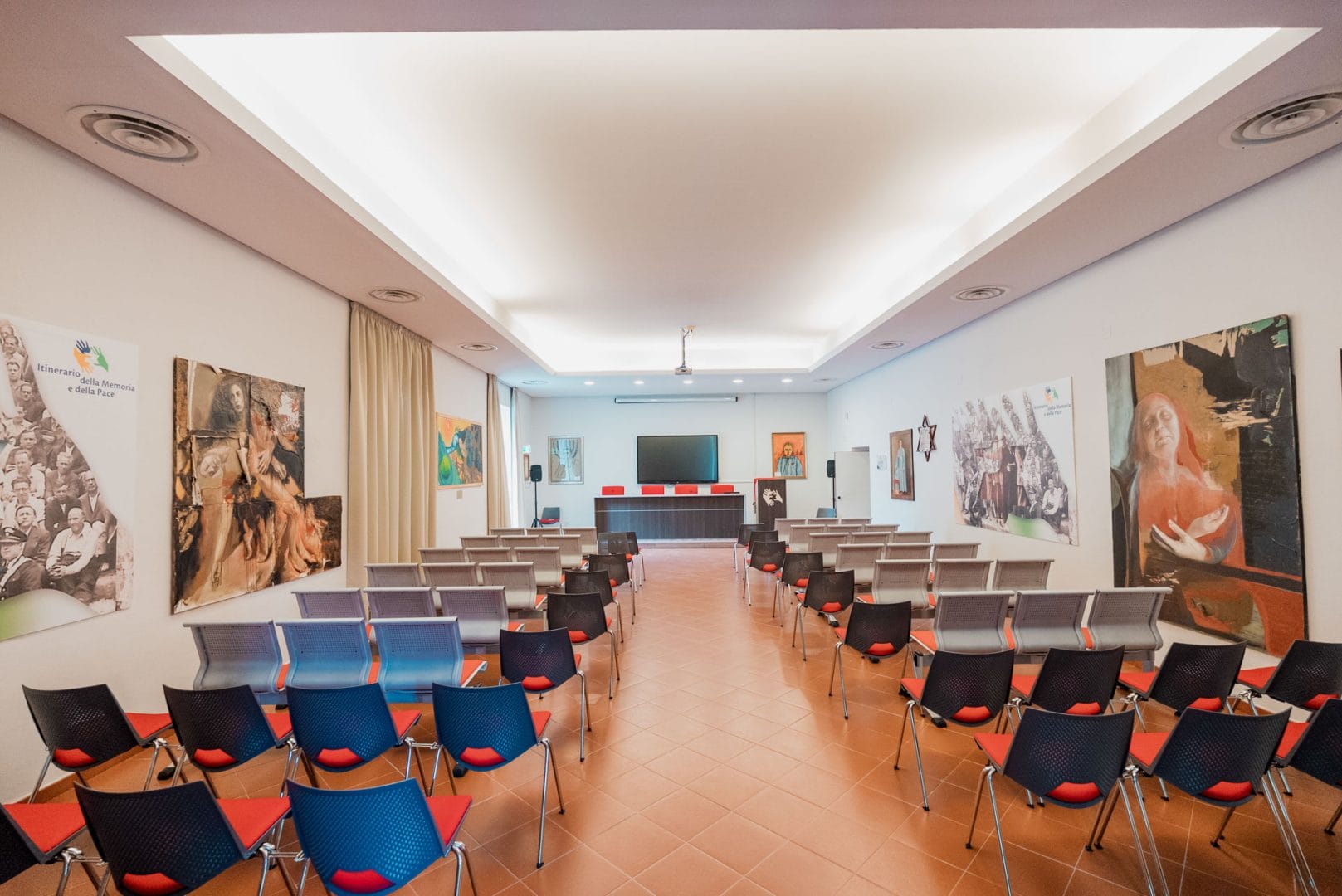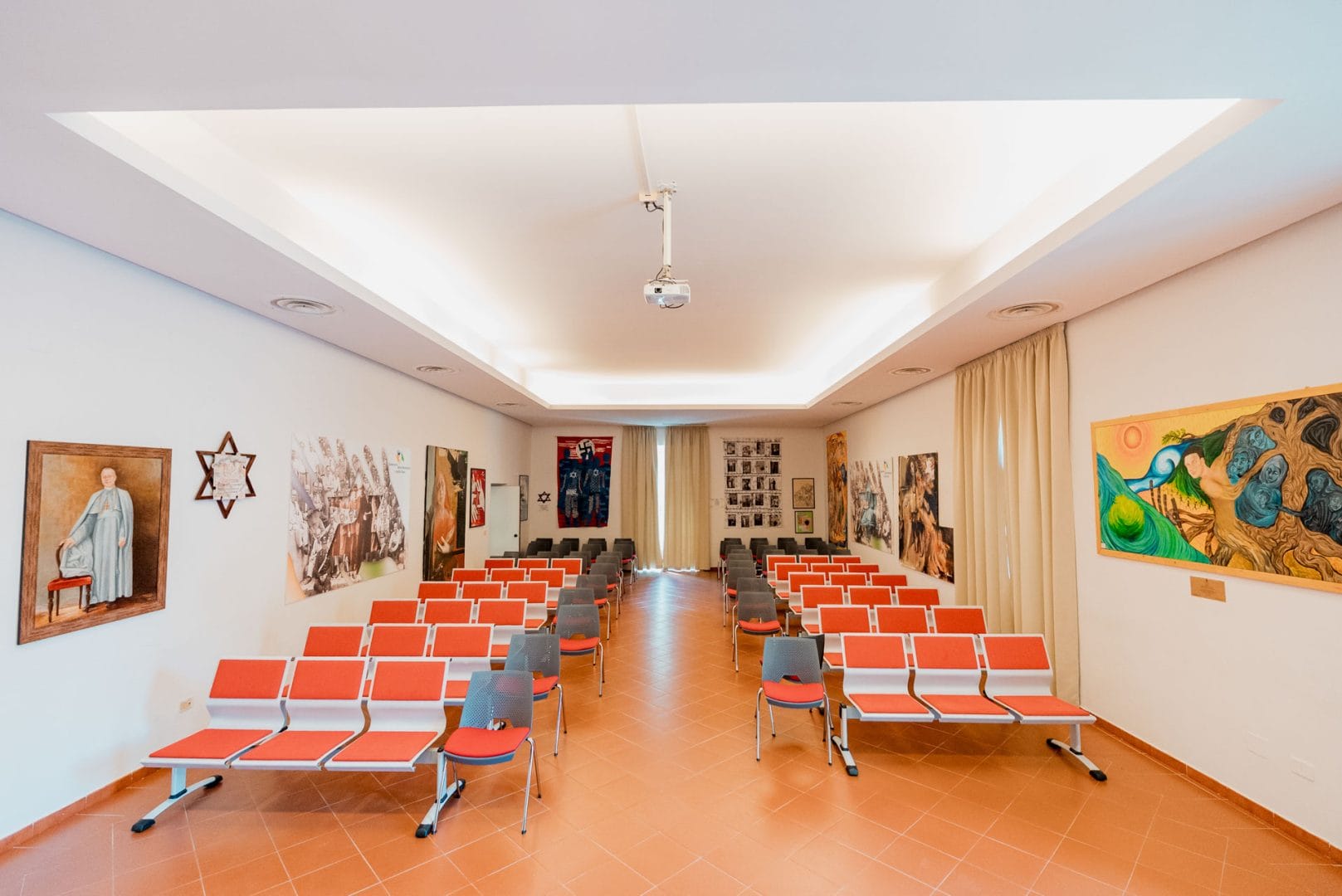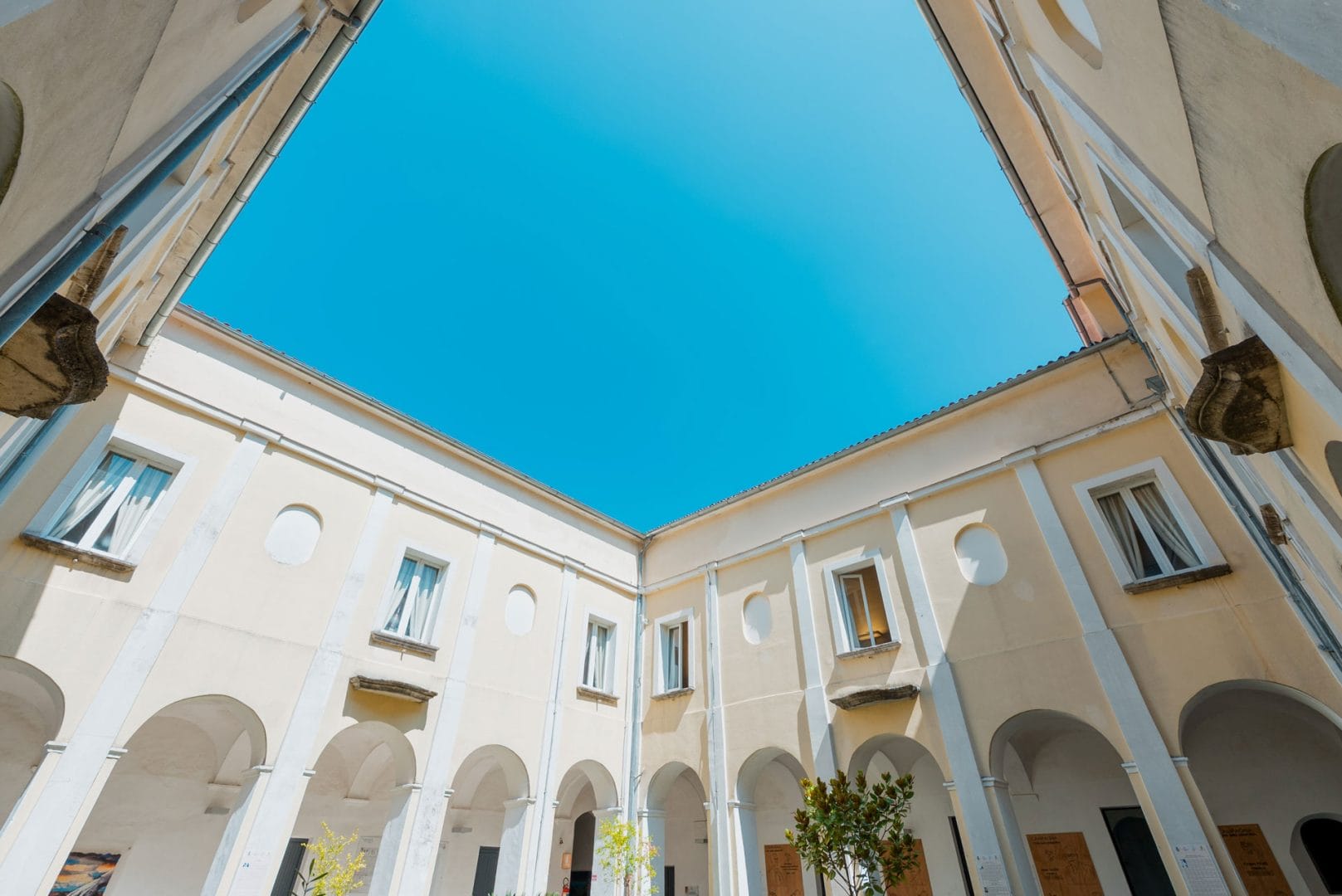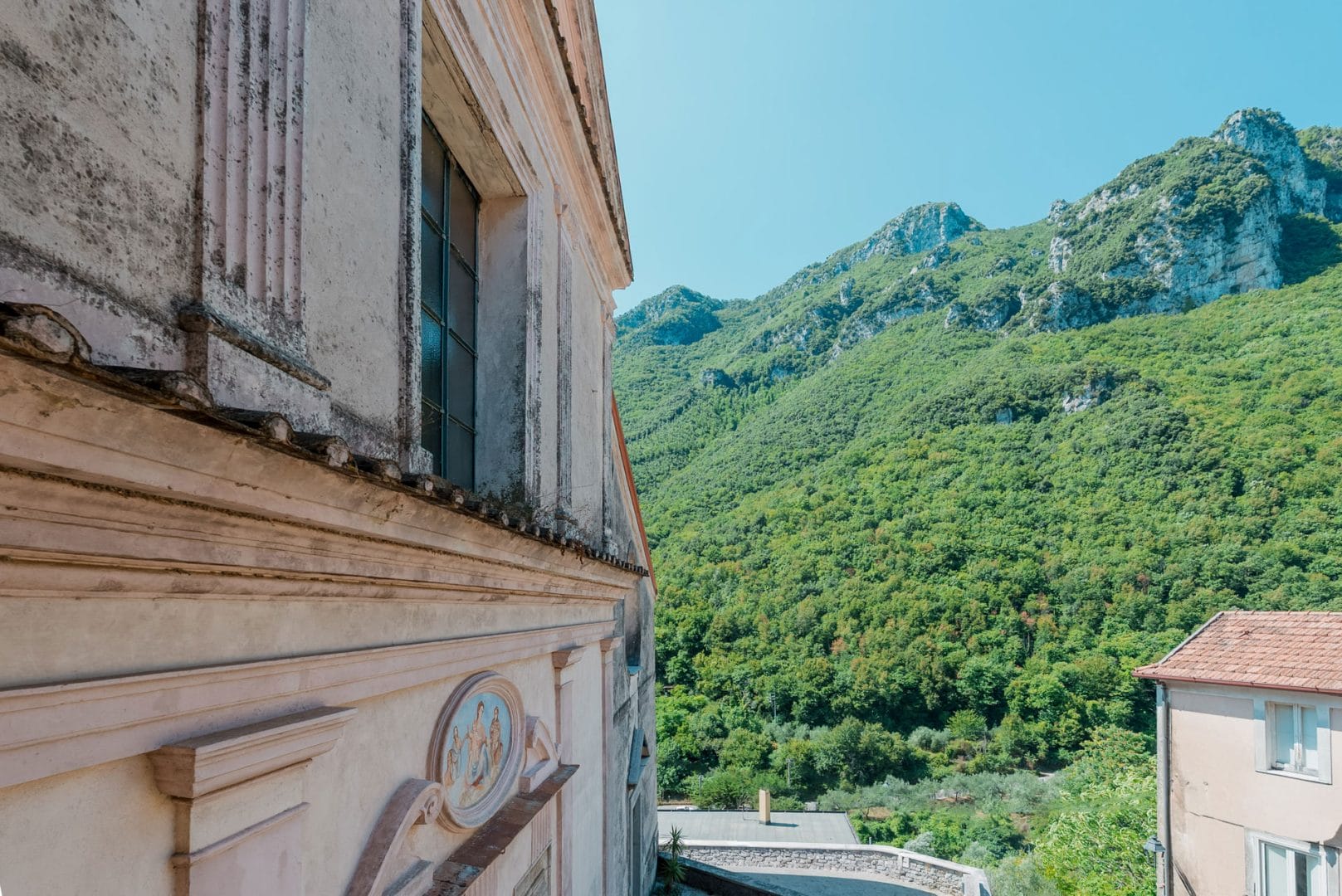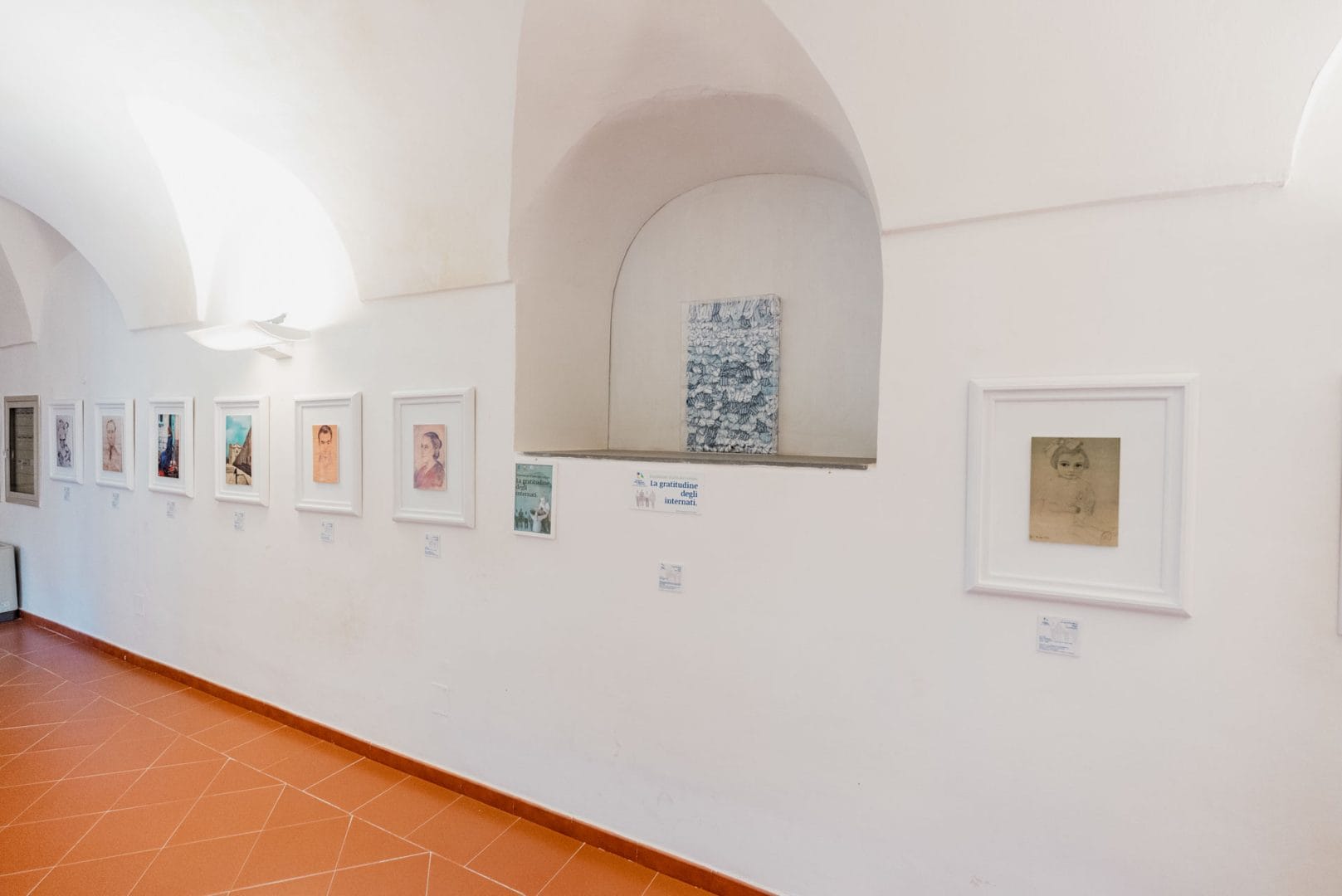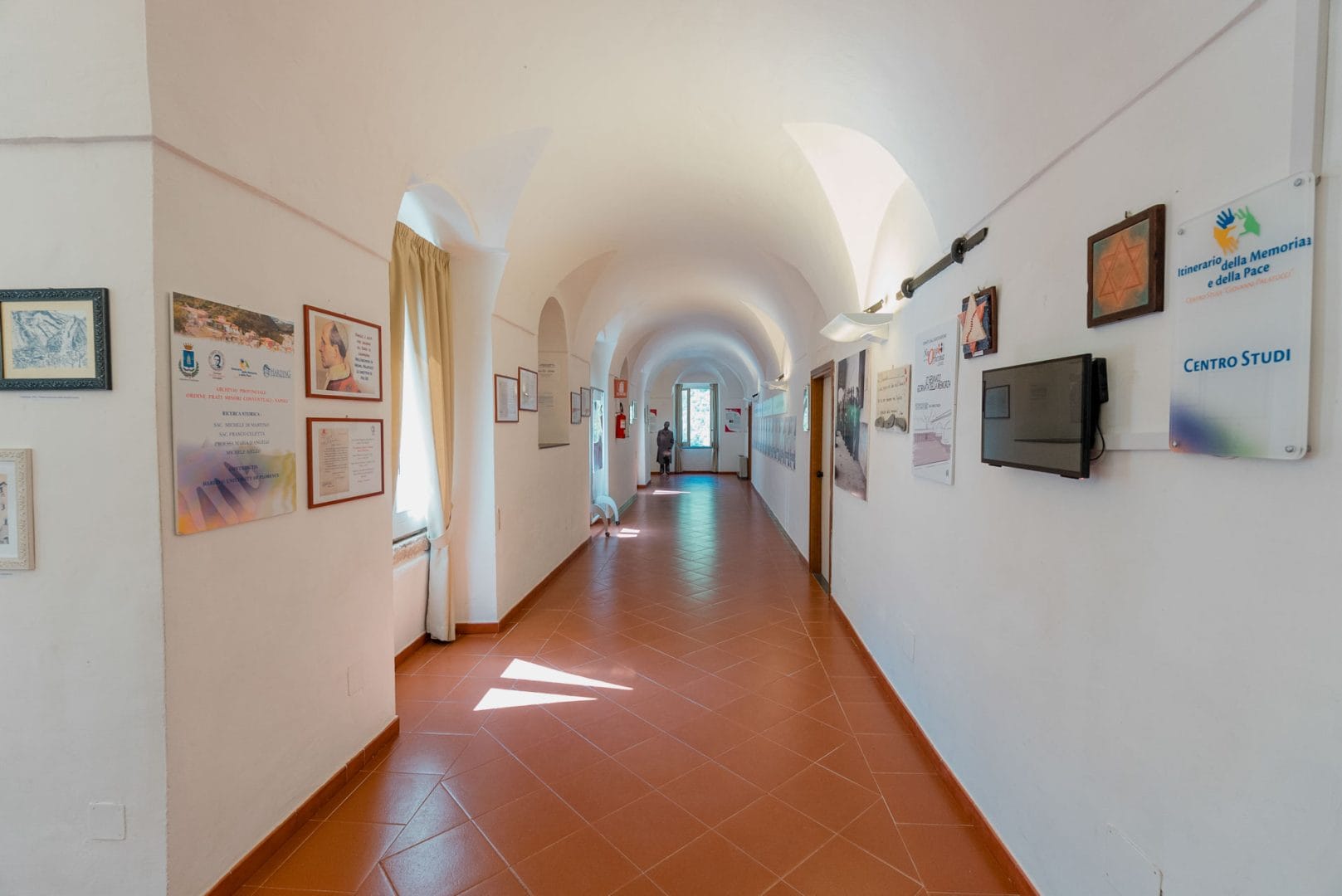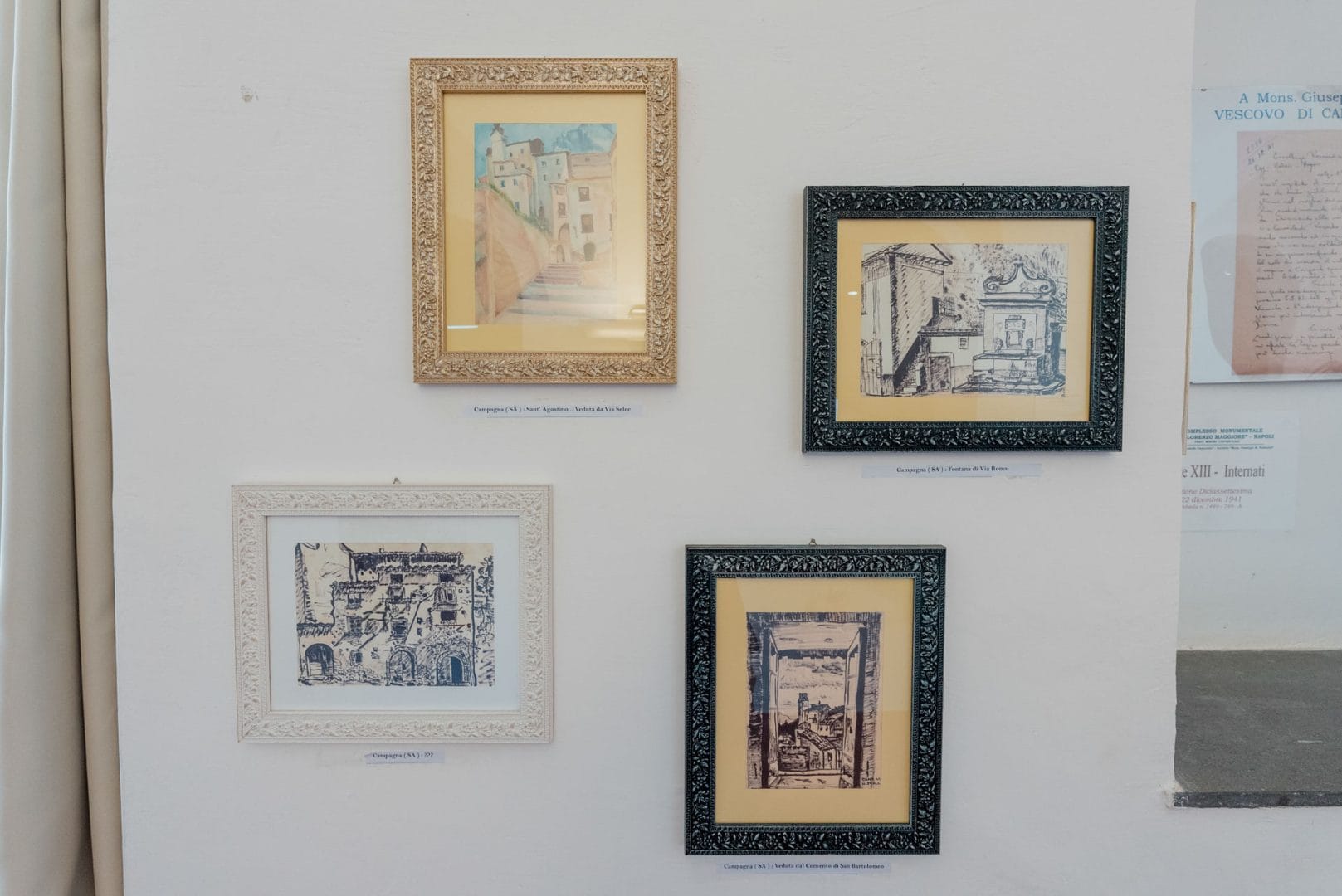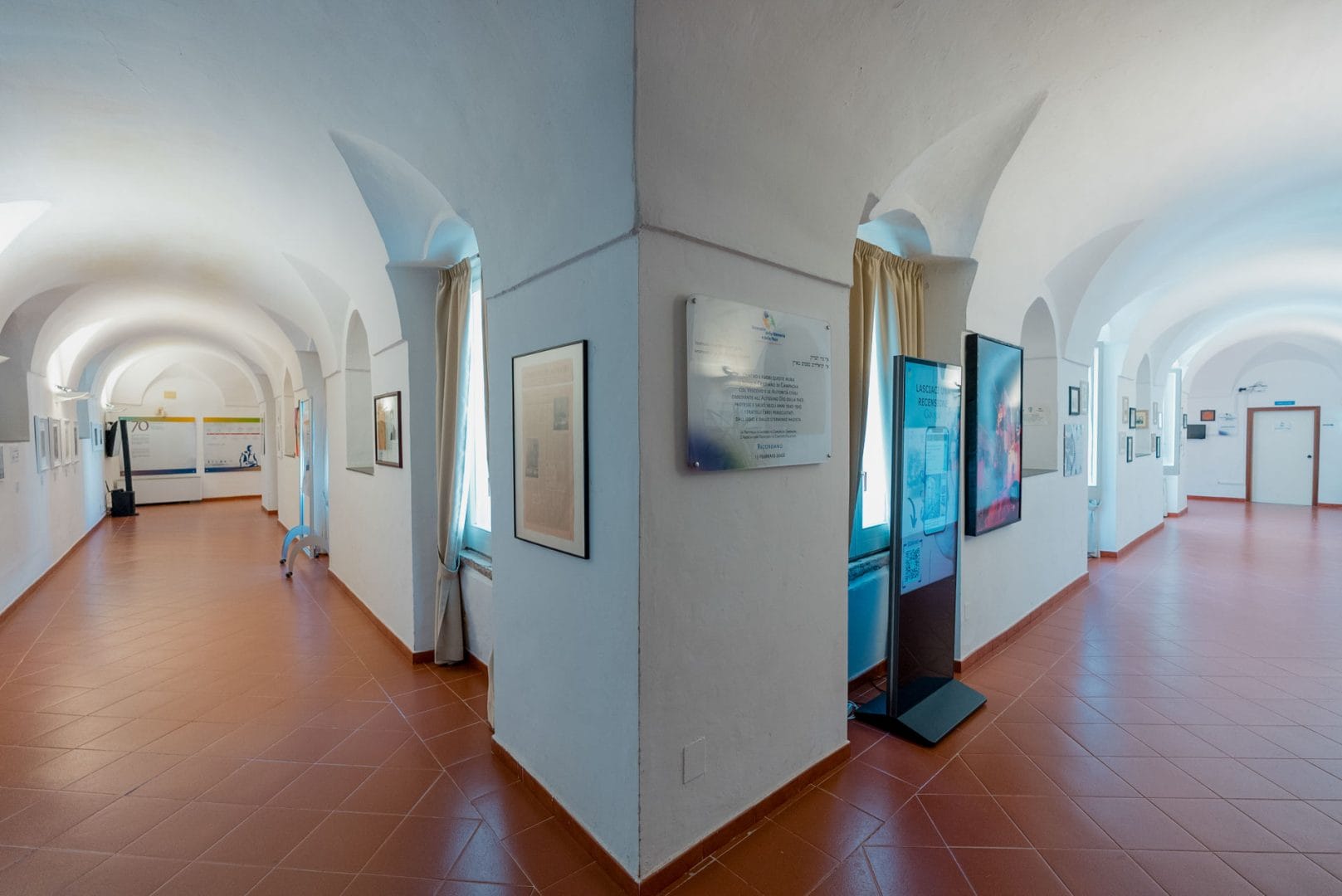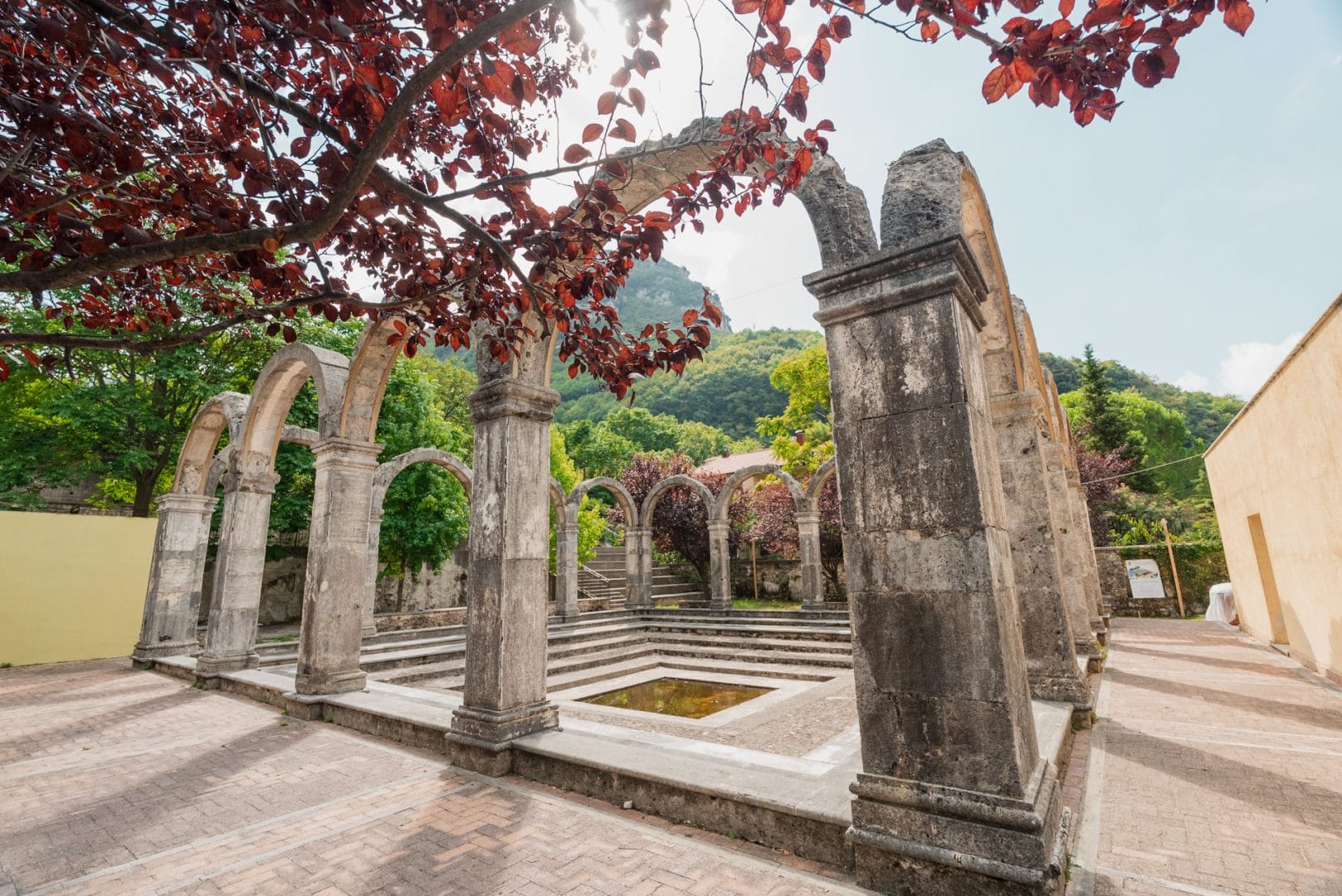


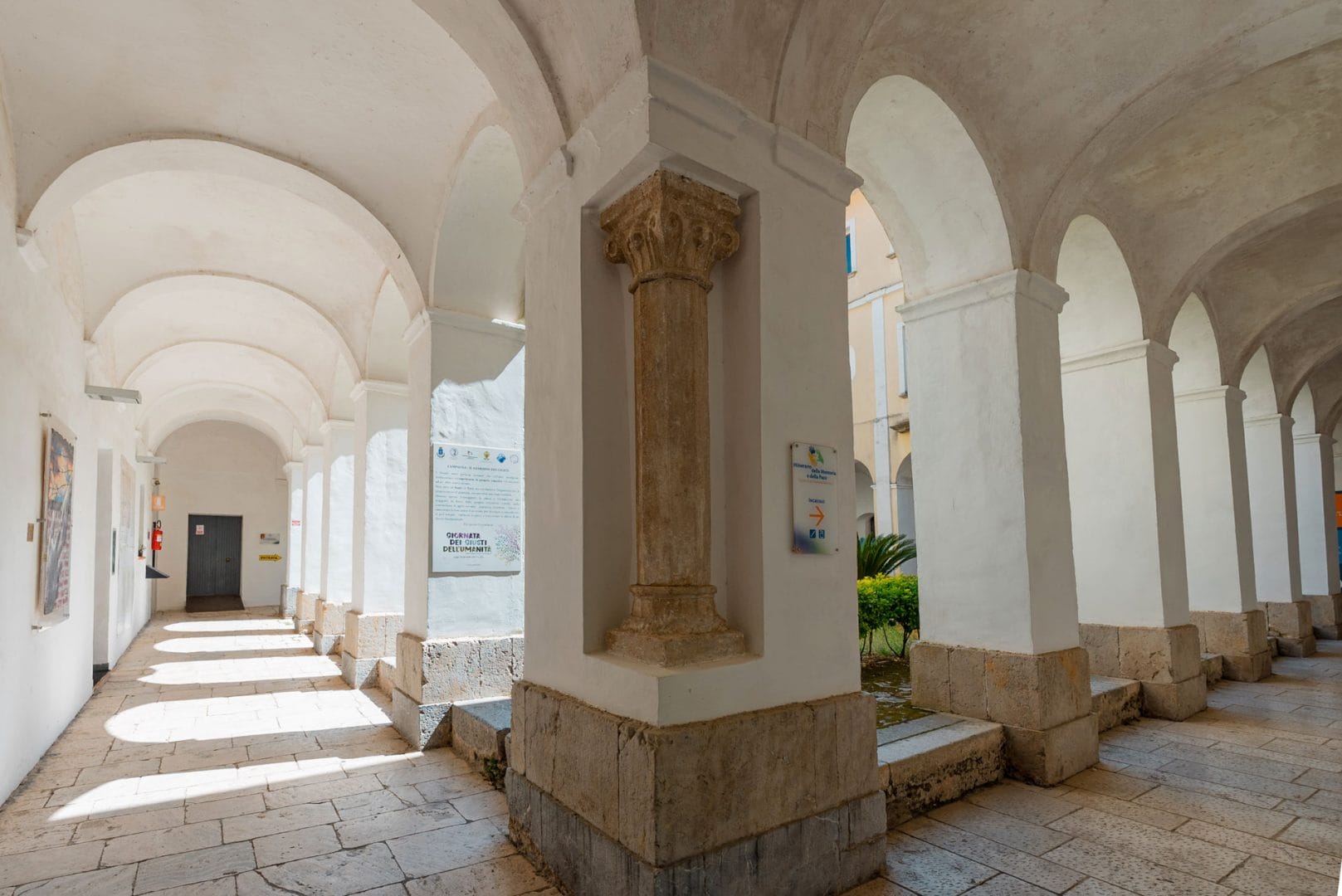
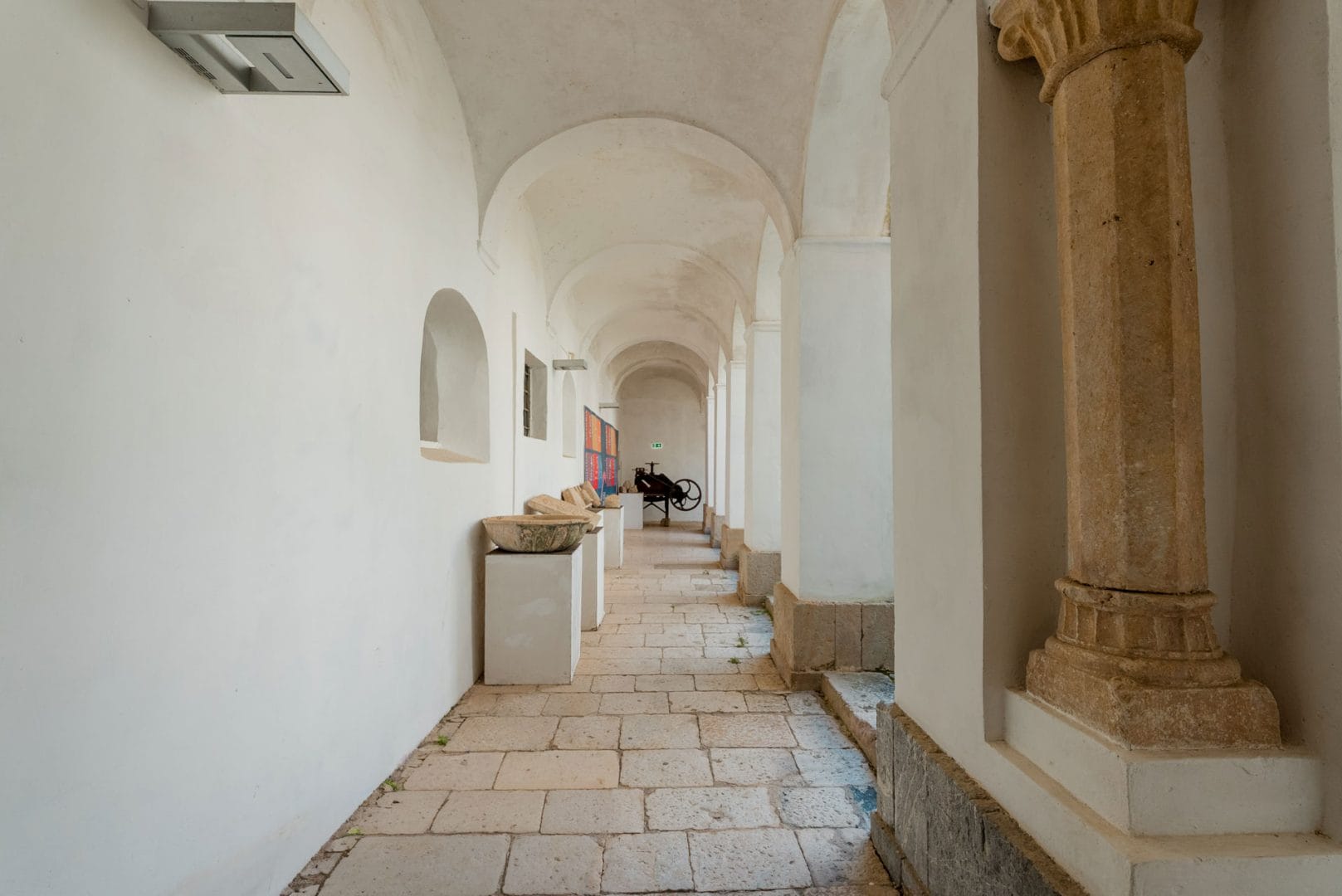
In the historical centre of Campagna, inside the former Dominican convent of St Bartholomew, you will find the Museum of Memory and Peace - “Giovanni Palatucci” Study Centre”.
Established in 2006, the museum is unique in Campania: created to tell the story of the internment camp for political prisoners and Jews who was active in the Campagnese territory during the Second World War.
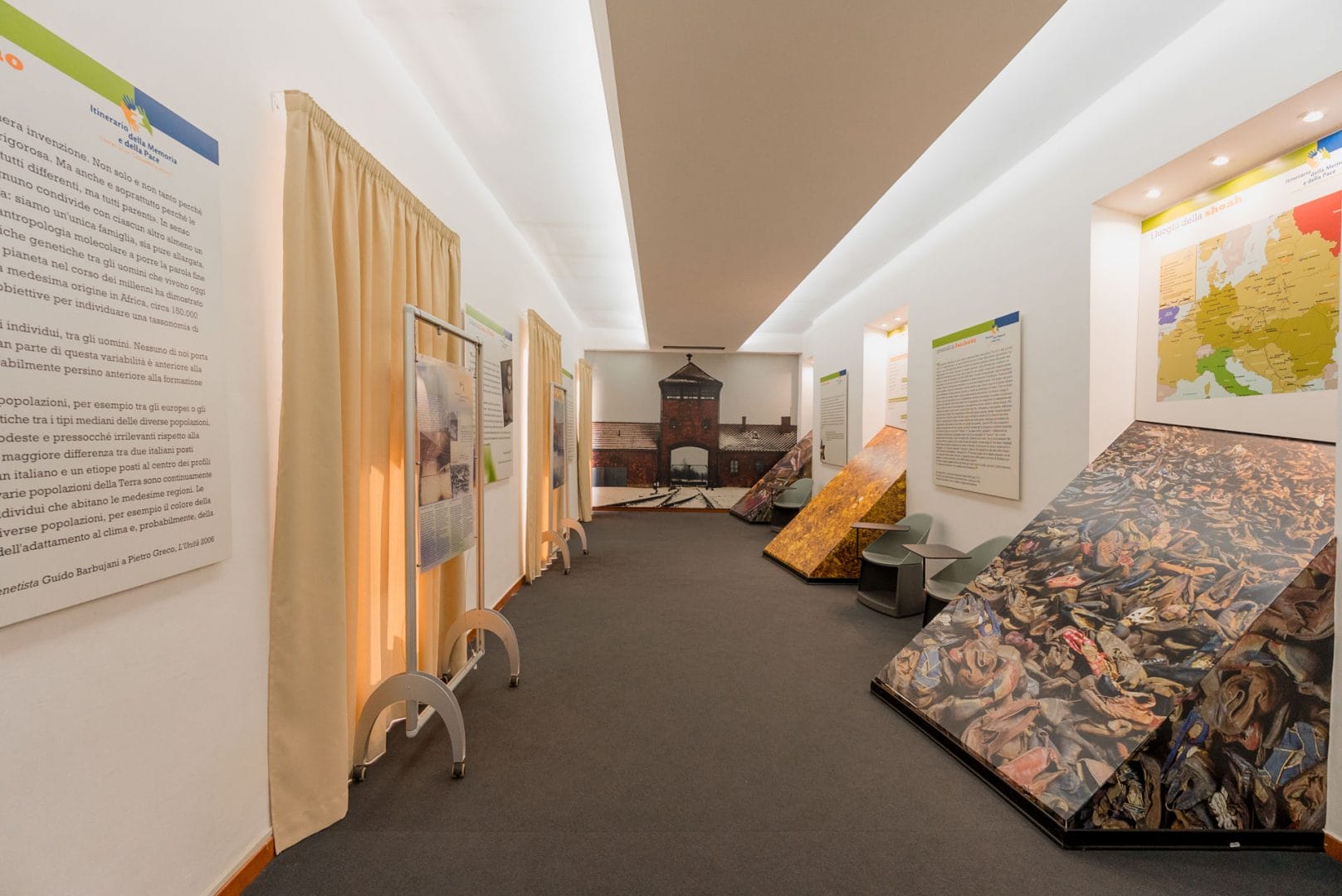
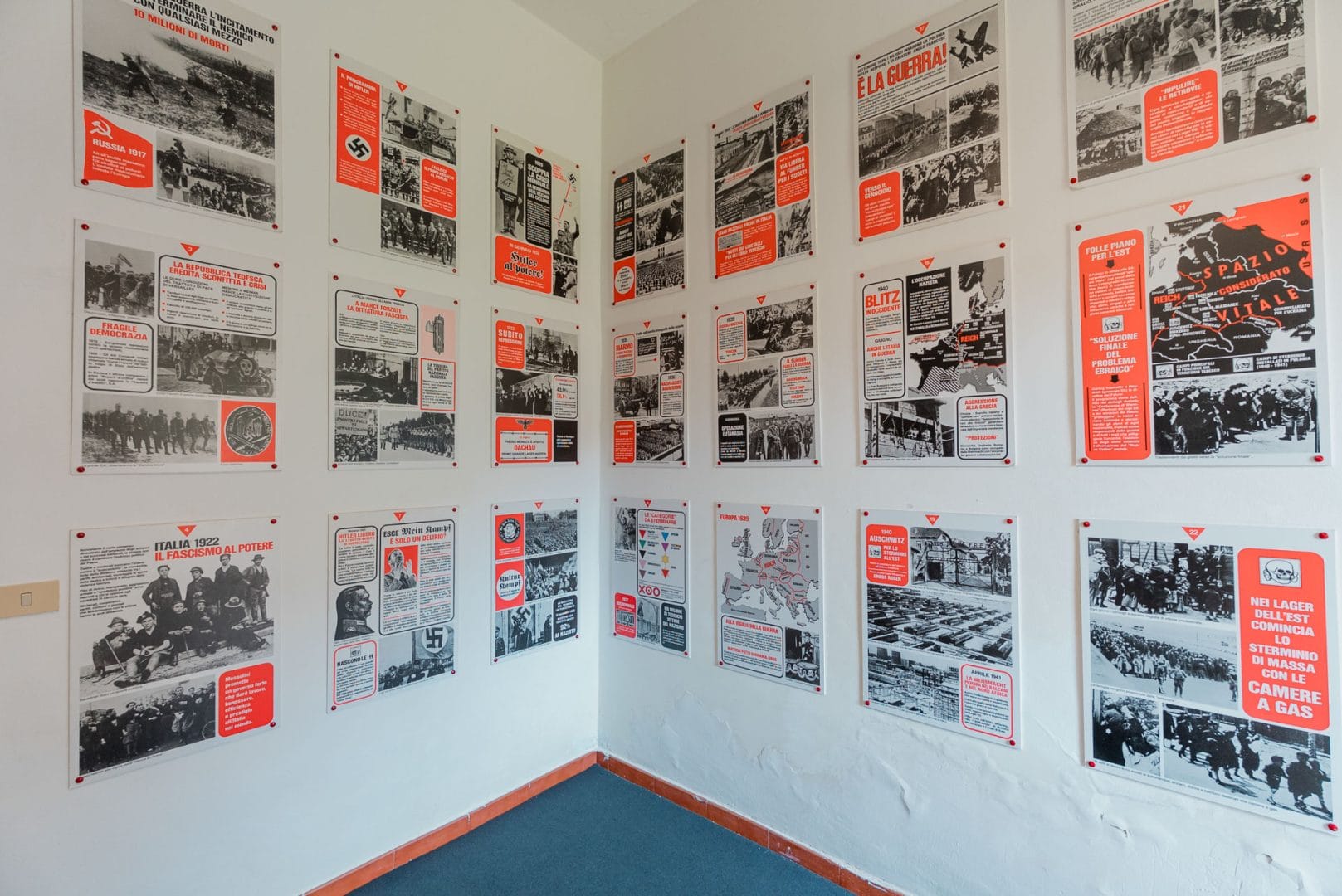
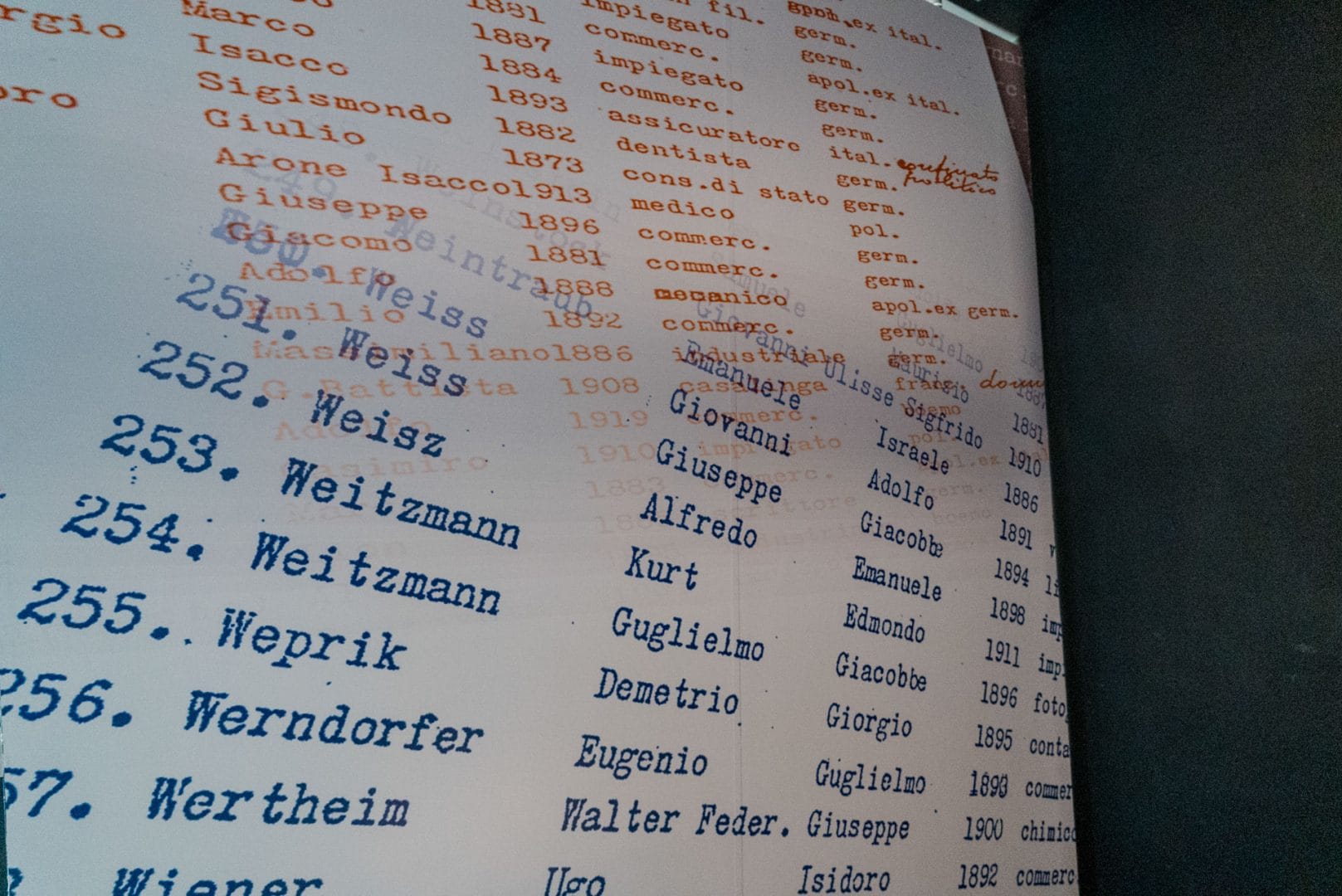
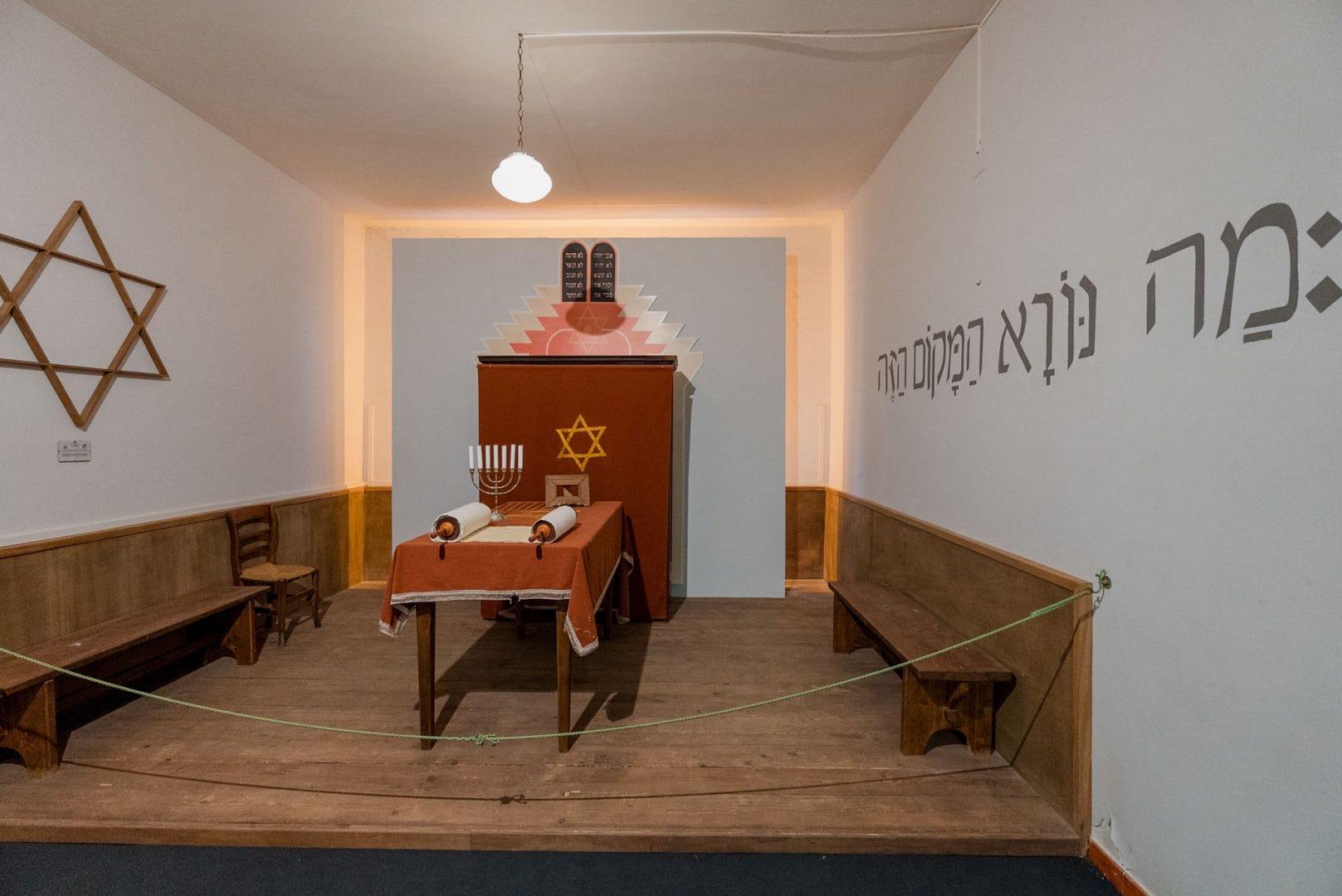
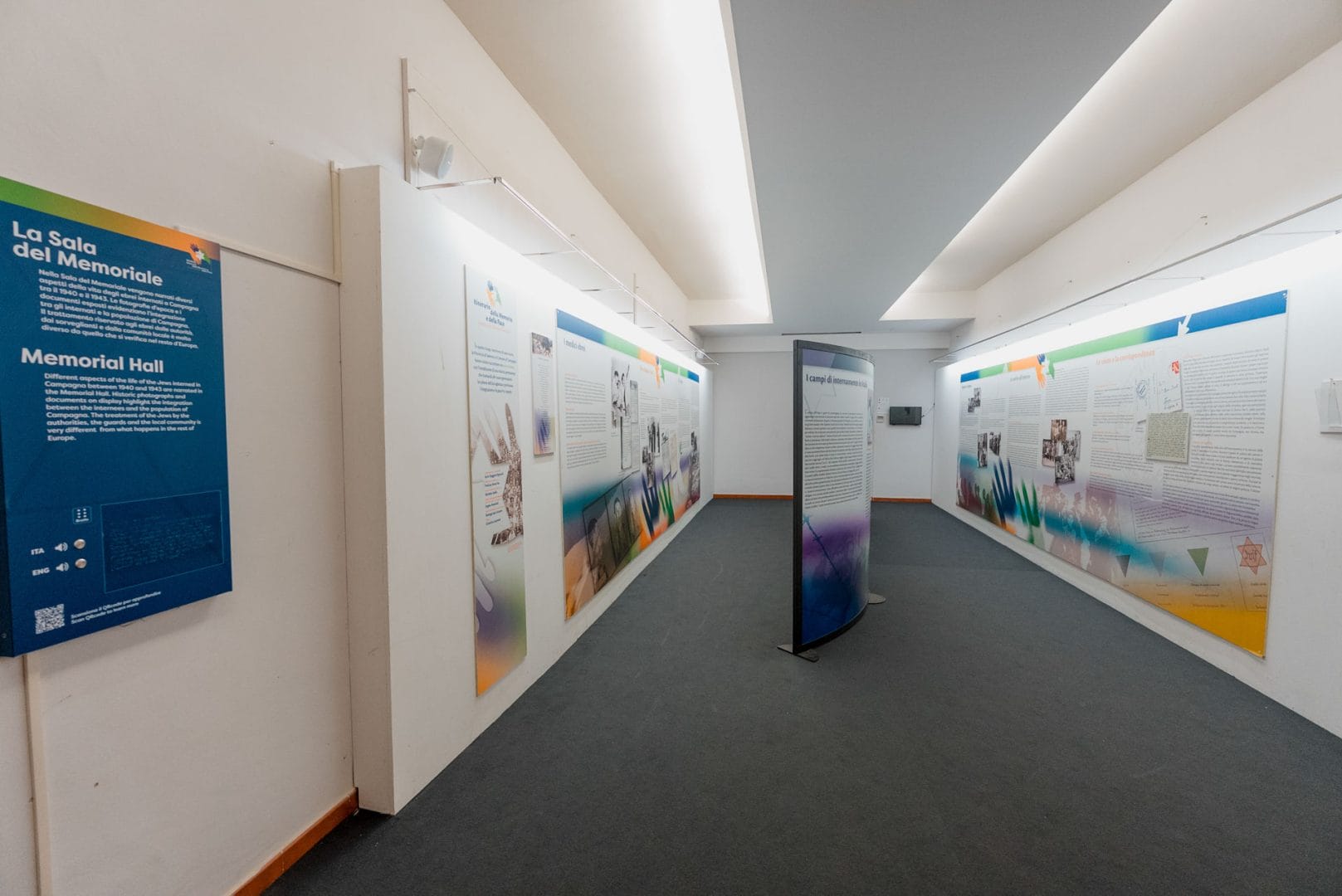
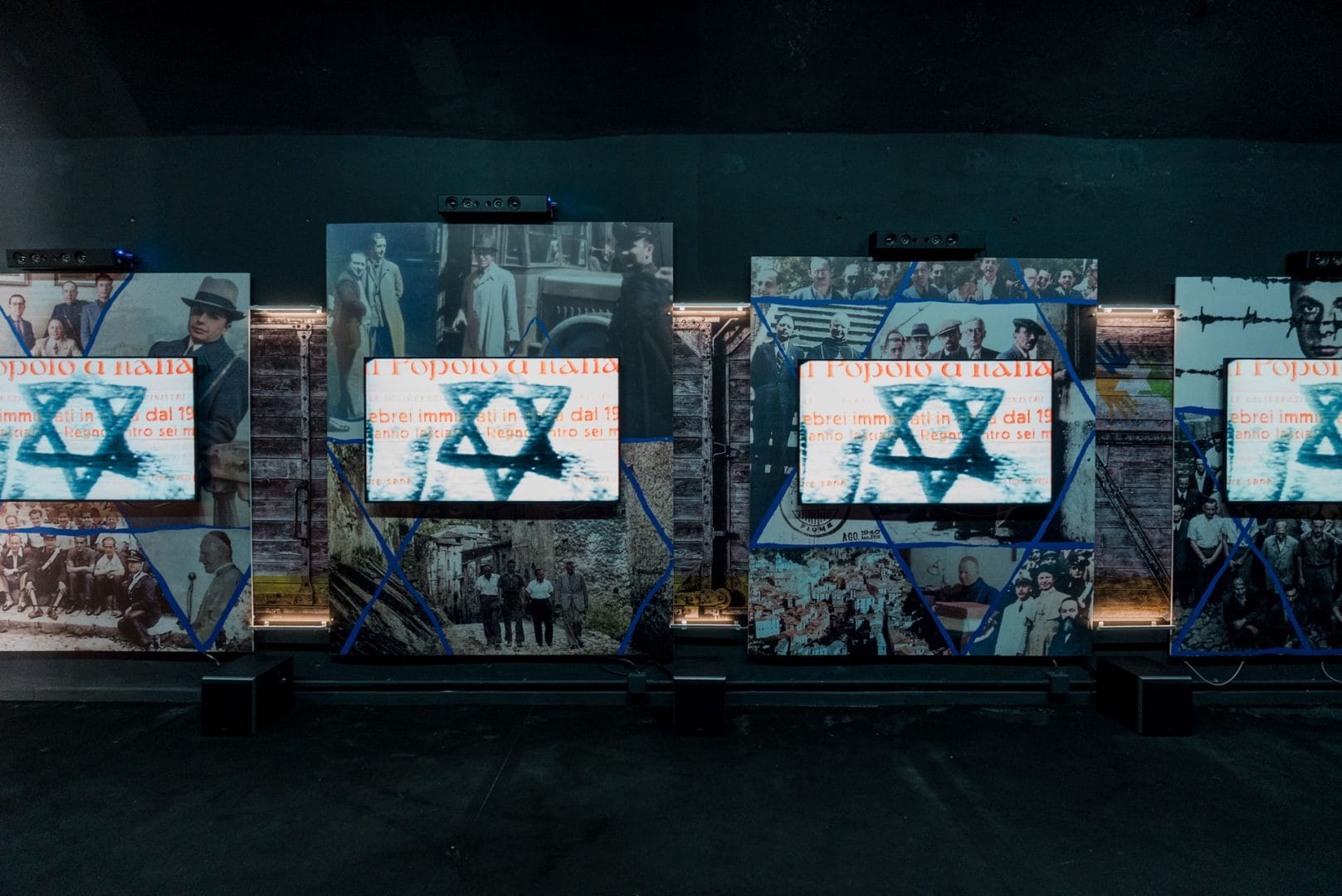
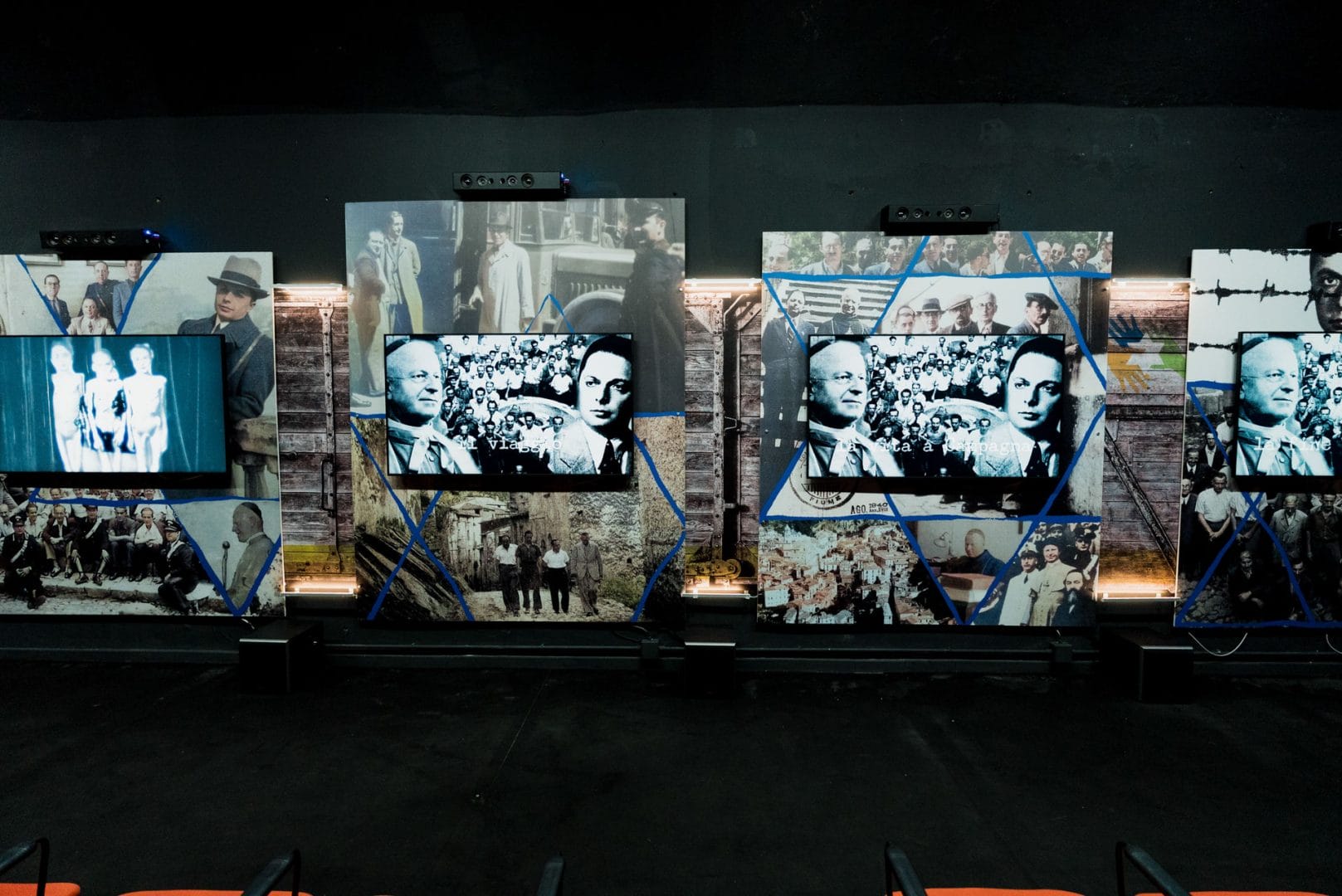
Through rooms set up with photographic panels, original documents, reconstructed settings - such as the “Hall of the Interned” or the “Synagogue Hall” - the museum tour invites the visitor to confront the Shoah, with the racial laws and with the local testimony of solidarity and resistance.
It is not only a museum of tragedy: it is also a peace education centre, dialogue and active remembrance and a reference for schoolchildren, researchers and citizens.
The Museum Itinerary of Memory and Peace - “Giovanni Palatucci” Study Centre” of Campagna (SA), the only museum of memory in the Campania region, was set up in 2006 to recount the singular events that the town of Salerno experienced during the Second World War when it was decided to establish a internment camp for political prisoners and Jews.
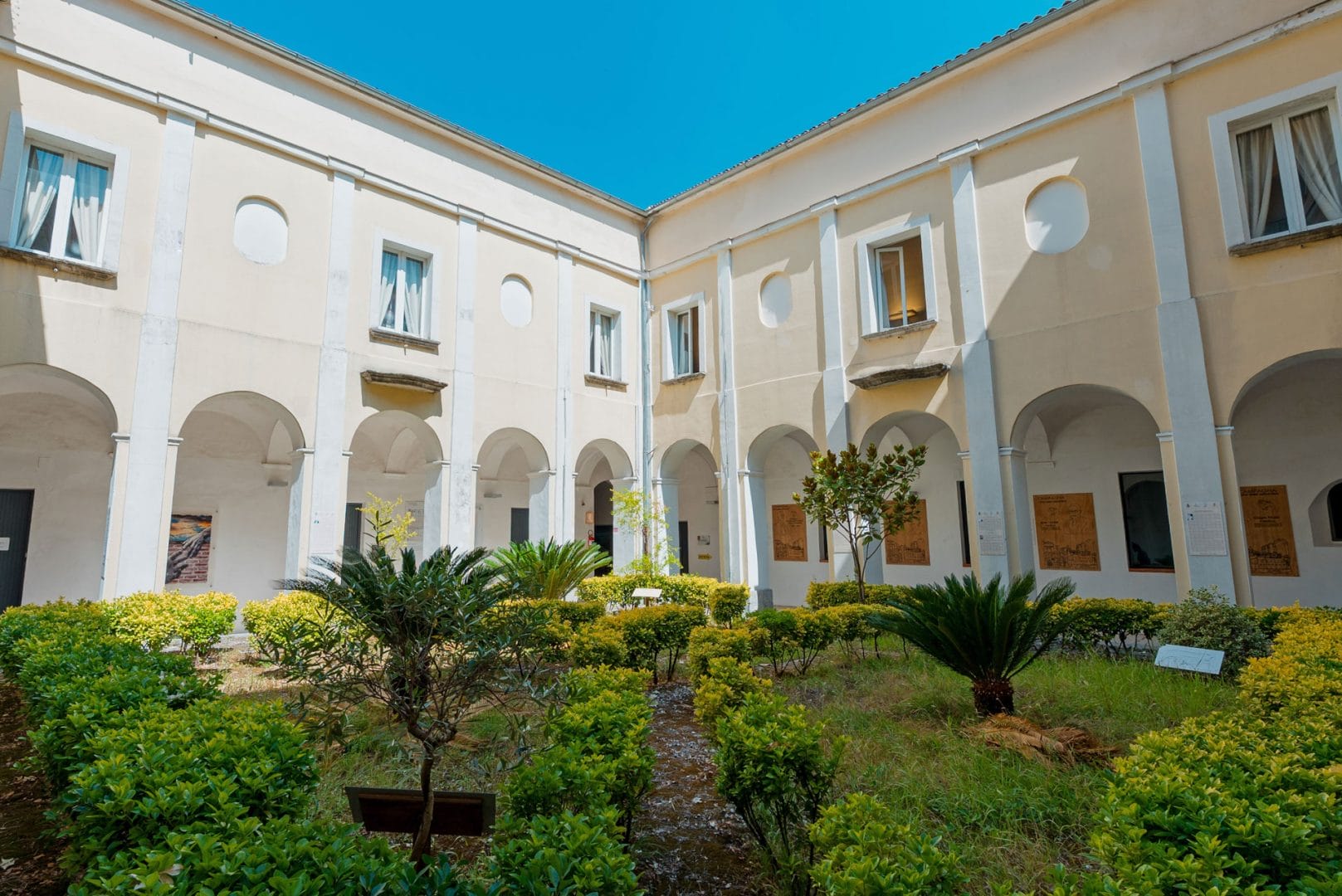
The buildings requisitioned for internment are two former convents located at the ends of the city: the Franciscan Convent of Conception and that Dominican of St Bartholomew, now home to the Museum.
In this environmental and historical context, what we can define as “the different history” of Campagna, characterised by the figure and work of Giovanni Palatucci, officer of the Aliens Office of the Rijeka Police Headquarters and his uncle, Mons. **Giuseppe Maria Palatucci, bishop of the City.
Giovanni Palatucci, in agreement with his uncle, managed to establish an effective aid system to save hundreds of Jews from death by interning them in Campagna.
The fraternal welcome that the bishop and the locals gave to the internees helped to alleviate their suffering and for this reason, in 2006, the City of Campagna was awarded the gold medal of civil merit by the President of the Republic.
The St Bartholomew Museum Complex is not only an itinerary of Remembrance, in memory of one of the darkest periods of the 1940s, but also represents a itinerary of Peace which enhances the places and historical traces that Jews left behind during the years of internment.
The visit to the museum has two levels and is organised in three different ways: the permanent exhibition of photographic panels, the reconstruction of historical settings of internment and the emotional rooms.
The three emotional rooms enrich the museum with the creation of an innovative virtual reality system with great technological appeal, allowing for an integrated enjoyment of content.
The Museum of Memory from February 2025 is Museum of National Interest therefore included in the National System of Italian Museums; it **is mainly aimed at students of all levels and to all those who wish to learn more about the "different history” of Campagna, which can be traced back to topical issues such as: the Shoah, inter-religious dialogue, tolerance, peace and brotherhood between peoples.
This takes on even greater importance in the light of a distorted historical revisionism that tends to downplay the events that brought the extermination of the Jews in Europe a step closer.
In fact, with the generation that was the protagonist of those historical events almost completely extinct, there is a need to pass on to new generations the certain proof of what happened in order to prevent the mistakes made from being repeated.
Of the approximately 45 internment camps set up in Italy from June 1940, the most important after Ferramonti di Tarsia in Calabria is the Campagna camp.
The choice of location is dictated by the morphology of the land surrounding the town: the urban centre is completely isolated by the Picentini mountains and there is only one access road. The requisite buildings are two former convents located at the extremities of the town and difficult to reach: a condition that offers not only easier surveillance but, above all, a strong deterrent to any escapees.
Given the logistical security of the locations identified and the immediate availability of the Municipality to rent the buildings, the Ministry of the Interior establishes that the former Convent of the Observants, in Concezione, and the former Dominican Convent, in Via San Bartolomeo, can be adapted to concentration camp for confined persons and civil war internees.
On 16 June 1940, the first thirty internees arrived at Campagna in the Conception camp, of whom 22 were Italians and 8 foreigners, all of whom were reported as dangerous elements. As a result of the fact that the two concentration camps did not guarantee a minimum amount of space to move around, as established by the Geneva Convention on the treatment of prisoners of war, the internees were allowed to walk freely in the village, respecting the authorised zones, delimited by strips of coloured paint on the road surface and by wooden signs written in several languages placed at the exit of the village; these zones could not be crossed except with special permits granted by the management.
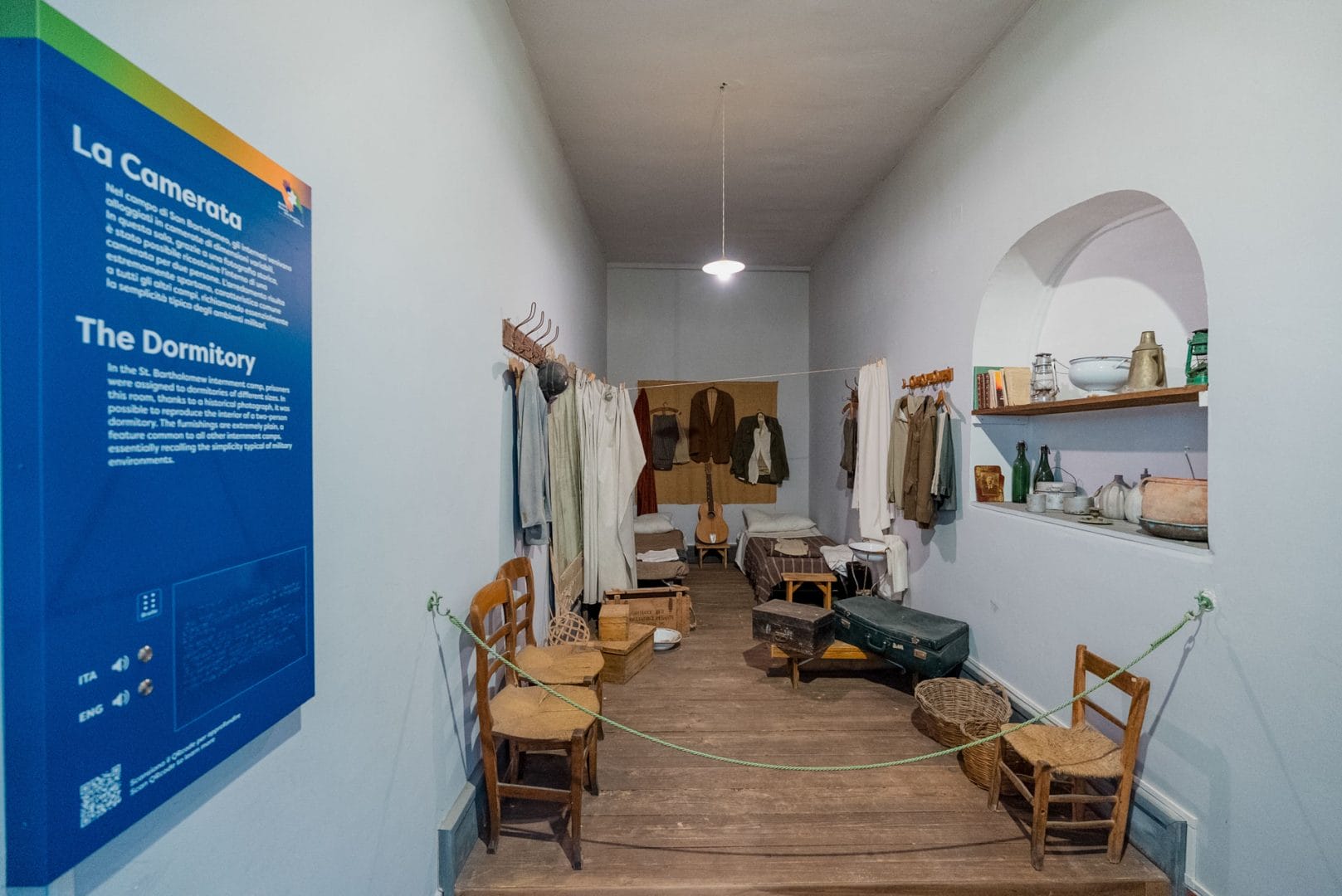
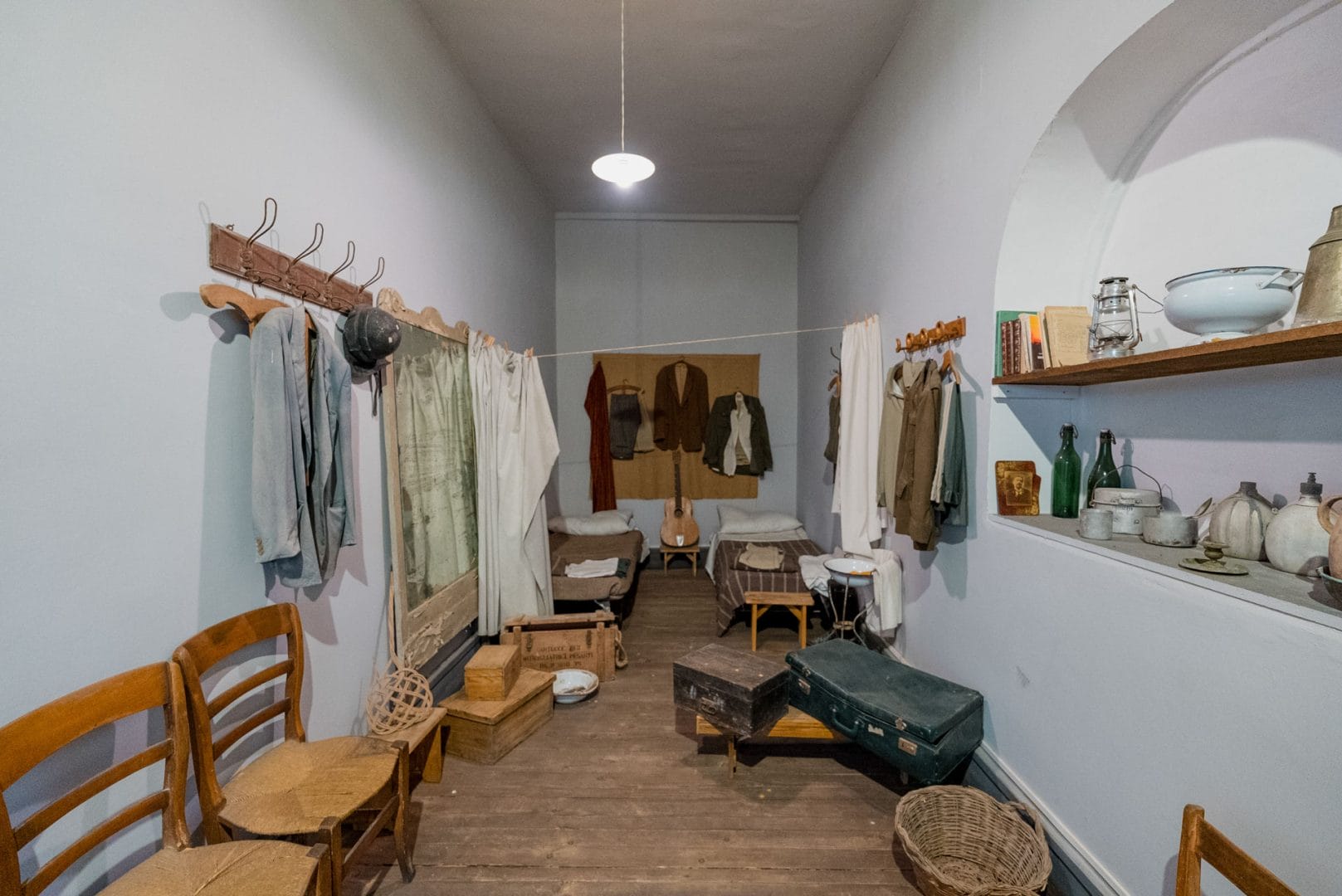
The internment camp, equipped with lighting and wood heating systems, has a guardhouse for guarding the prisoners, accommodation for graduates and carabinieri and a variable number of dormitories.
The rather spartan furnishings of the dormitories are the same as in all the other camps and basically resemble those of the military: each internee is assigned a bunk with a horsehair mattress, a pillow, sheets and two blankets, a chair or stool, two towels, a clothes hanger, a basin, a bottle and a glass: the only personal belongings, which, according to the regulations, the internees are allowed to dispose of.
The sanitary facilities attached to the dormitories immediately proved to be insufficient to guarantee the needs of the internees, so that in June 1941, in the San Bartolomeo camp, the sanitary facilities were enlarged with the installation of showers and/or bathtubs; however, the enlargement necessarily entailed a further reduction in living space.
Thanks to the complacency of the authorities, the entire citizenry and the security forces, who often “turn a blind eye”, the internees repeatedly trespass the demarcated areas, but without causing any damage to property or persons.
The police station was located halfway between the two convents, in the bishop's palace, where the camp management offices were located, initially headed by police commissioner Eugenio De Paoli. This is where the internees are “carded” and then assigned to the camps. The route they took to reach San Bartolomeo consisted of crossing the main avenue, the bridge in Piazza Guerriero and, skirting the cathedral, the steep slope of Via San Bartolomeo, accessible only on foot because it was stepped.
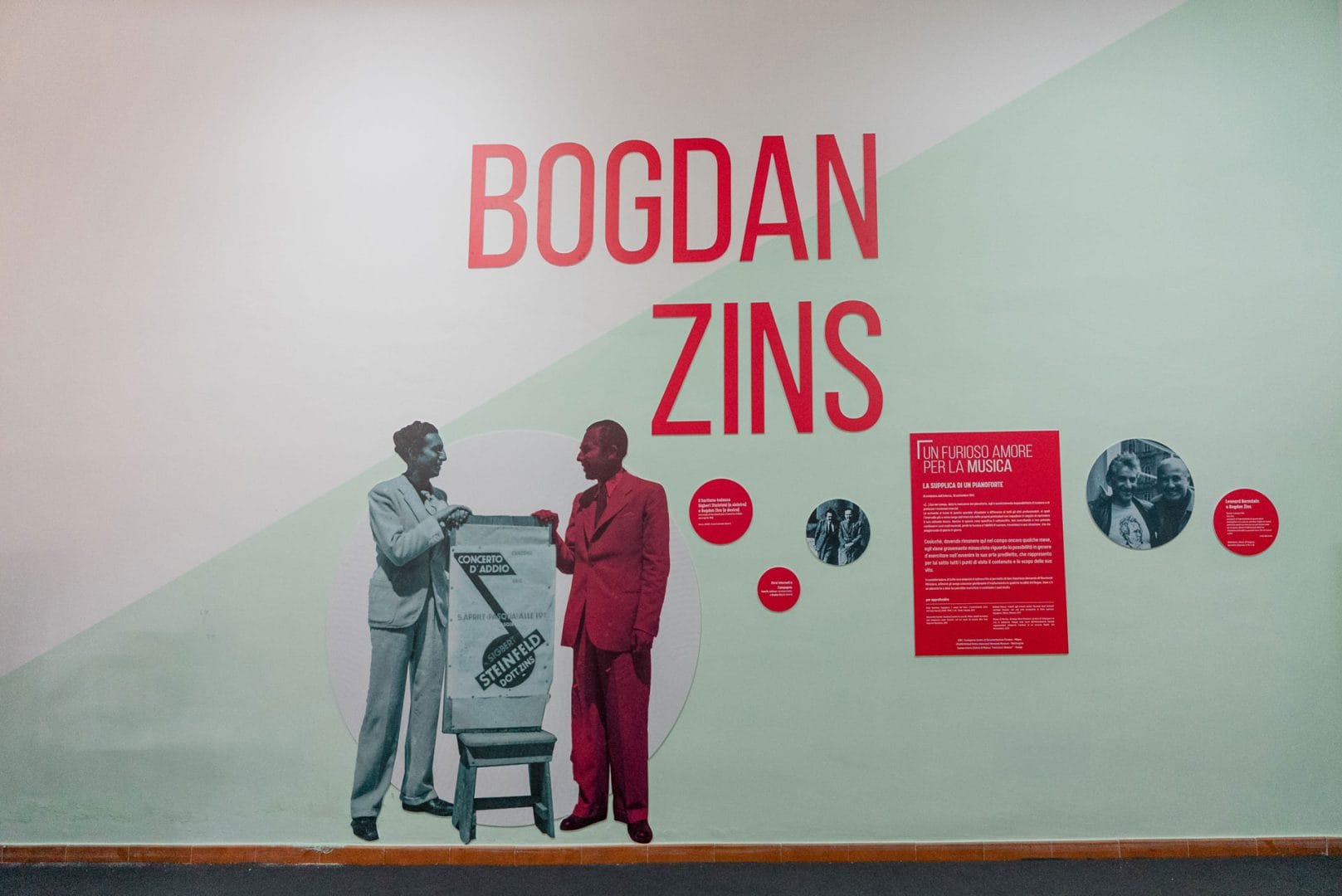
Thanks to the moral and material support of the Delegation for the Assistance of Jewish Emigrants “DELASEM” The community life of the internees has its own particular development. Among the many activities are: the presence of a choir and a small orchestra organising musical concerts, theatre performances and painting exhibitions, the editing of a cyclostyled newspaper in German, passionate football matches, the setting up of a synagogue, the possibility of consulting thousands of books from the seminary library and giving foreign language lessons to local youngsters.
The internees, almost always portrayed in suits, can even rent furnished rooms in the country and, without necessarily doing any work, receive a daily allowance.
Nothing changed for the internees in July 1943 following Mussolini's capture. However, in the days following the announcement of the armistice, they were formally released by the camp director on the basis of the relevant orders issued by the police chief, and in order to protect themselves from the bombardment they fled to the surrounding mountains.
In those days, in fact, Campagna suffers two major bombingsThe most tragic one in Piazza Mercato on 17 September 1943 caused around 200 deaths, mostly civilians.
After the liberation of Campagna on 19 September, an allied-run refugee camp was set up in the “San Bartolomeo” building.
This is the context of the figure of Giovanni Palatucci, a character dear to the inhabitants of Campagna, but also to many Jews who owe their lives to him.
He was born in Montella (AV) in May 1909. He took part in the 14th course for police officers and was sent to Genoa as deputy commissioner. From November 1937, when he was assigned to the foreigners' office at the Rijeka Police Headquarters, he did his utmost, at the risk of his own life, to save a great many Jews from certain death, providing special permits, carrying out deception actions and facilitating escape abroad and routing to Italian centres less exposed to the racial laws.
Giovanni Palatucci, Through a dense network of aid and with the support of his uncle, he managed to save many Jewish refugees from the harsh concentration camps, leading them to the Convent of St Bartholomew on a long journey of hope, far from the places of extermination.
His work admirably testifies to the ideals in which he firmly believes and to which he remains faithful, even to the point of being deported to the extermination camp of Dachau with serial number 117826, completing his holocaust at the age of only 36. In 1990, the State of Israel recognised him as “Righteous Among the Nations”in 1995 he was awarded the Gold Medal for Civil Merit “to the memory” by the President of the Italian Republic.
The figure of Giovanni Palatucci is at the attention of the Catholic Church for the beatification process; in 2004, the diocesan phase of the canonisation process was completed and he was proclaimed a Servant of God.
In Campagna, in addition to the naming of a square and a school, the Museo Itinerario della Memoria e della Pace - Study Centre was named after him.
In 2007, the City of Campagna was also awarded the Gold Medal of Civil Merit by the Head of State.
During the dark years of the deportation of Jews to internment camps, a unique understanding of solidarity was established between the uncle bishop and his nephew commissioner aimed at an affectionate rescue of thousands of persecuted people. Monsignor Giuseppe Maria Palatucci well-deserving of the moral and religious assistance of the internees, together with the entire citizenship of Campagna, he treated the prisoners living in the two camps fraternally. For all this, the eminent prelate was awarded the honour of the Gold Medal for Civil Merit “to the memory” by the President of the Italian Republic with the following motivation: “A bishop of elevated human and civic qualities, during the last world war, he did his utmost with heroic courage and outstanding civic virtue to provide moral and material assistance to the Jews interned in Campagna, managing to save about a thousand of them from deportation to the Nazi extermination camps. He was a shining example of consistency, human solidarity and moral rigour founded on the highest Christian values and on the intense sharing of the suffering of others”.
Type: Historical Museum of National Interest

information and reservations
educational services
guided tours on request
bookshop
parking
Disabled entrance
Monday to Friday 9 a.m. to 1 p.m.
Saturday and Sunday 10 a.m. to 1 p.m.
(reservations are required for groups)